Navigating Indonesia’s Halal Tourism: Balancing Potential with Practical Challenges
Kawaguchiko, SouqTimes — With its breathtaking natural landscapes, diverse cultures, and the world’s largest Muslim population, Indonesia is uniquely positioned to become a global hub for halal tourism. In recent years, government agencies, local businesses, and communities have shown growing interest in cultivating an inclusive travel experience that caters to Muslim travelers from across the globe. Yet, as the industry grows, so do the challenges of standardization, infrastructure, and awareness.
This article explores the current state of halal tourism in Indonesia, the opportunities it presents, and the practical hurdles that need to be addressed for sustainable growth.
Understanding Halal Tourism
Halal tourism refers to travel services, products, and destinations that comply with Islamic principles, including halal food, prayer facilities, modest accommodations, and family-friendly environments. While Indonesia’s rich Islamic heritage already aligns with many of these principles, turning this potential into a structured industry requires deliberate effort.
Halal tourism is not only about religious observance, but also about ensuring comfort and ease for Muslim travelers without compromising their values—be it through prayer-friendly schedules, halal-certified meals, or accommodations free from alcohol and gambling.
Opportunities in Indonesia’s Halal Tourism Sector
1. A Vast Domestic and International Market
Indonesia is both a source and destination market for halal tourism. Domestically, more Indonesian Muslims are seeking halal-certified travel experiences. Internationally, Muslim travelers—particularly from the Middle East, Malaysia, and Brunei—are looking to explore destinations that cater to their faith-based needs.
According to the Global Muslim Travel Index (GMTI), the Muslim travel market is projected to reach $225 billion by 2028, making halal tourism one of the fastest-growing segments in global travel.
2. Government Support and Global Recognition
Indonesia has received recognition in halal tourism from global institutions. The Ministry of Tourism and Creative Economy has actively promoted halal destinations in provinces such as West Nusa Tenggara (Lombok), Aceh, West Sumatra, and parts of Java and Sulawesi. These areas have been developed with facilities such as halal restaurants, prayer rooms at tourist spots, and Muslim-friendly accommodations.
3. Cultural and Natural Assets
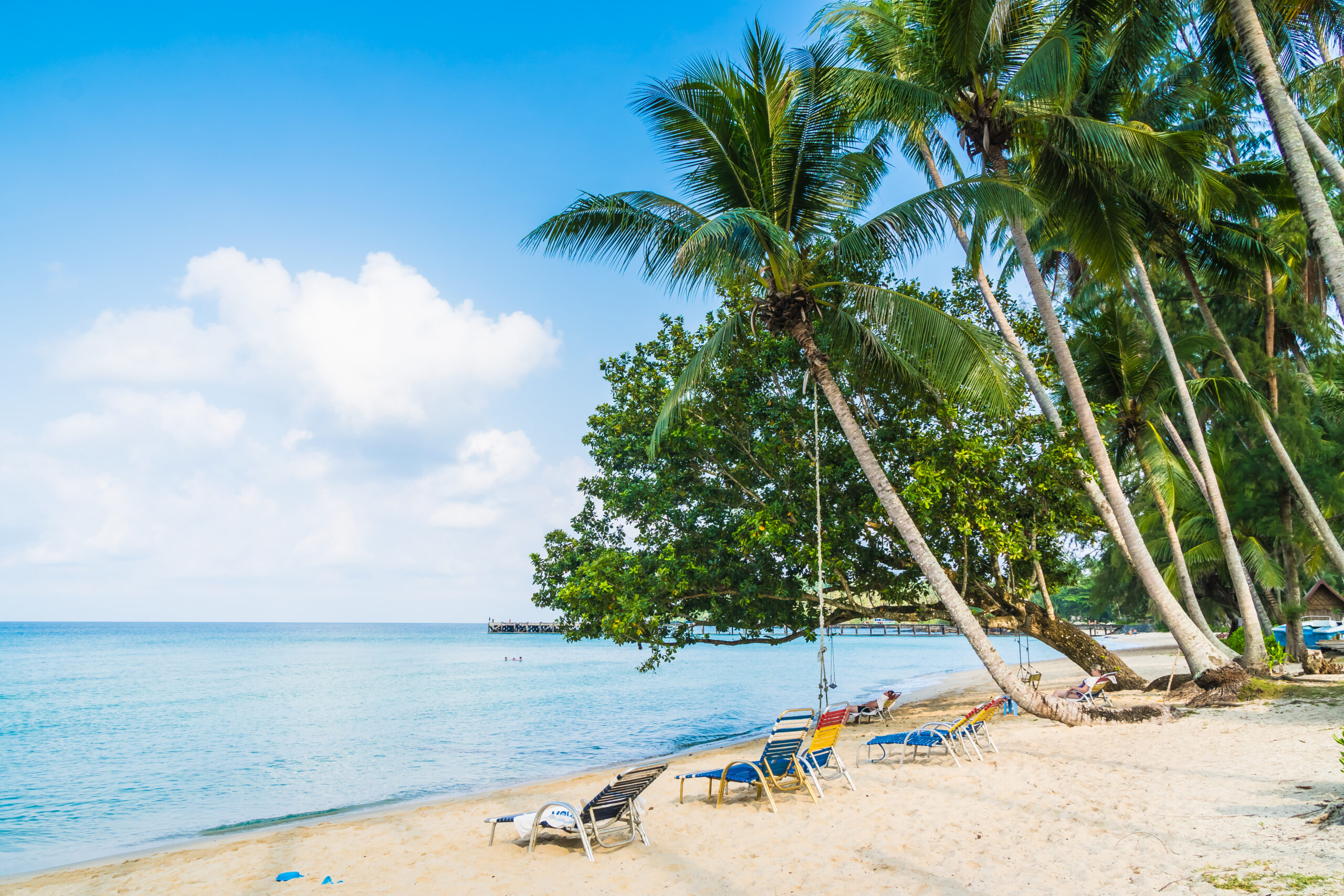
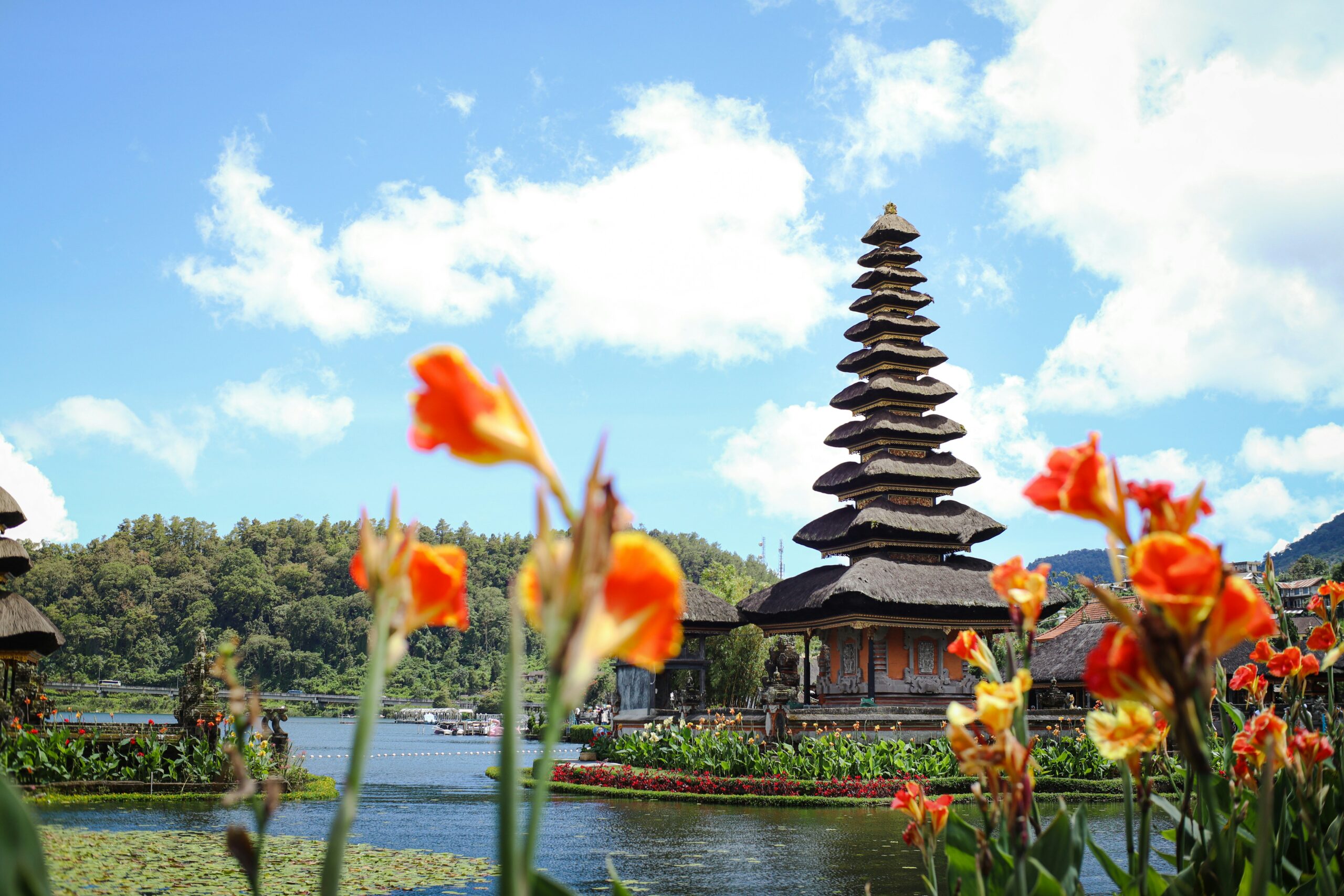
Indonesia’s wide array of cultural experiences, tropical beaches, historical Islamic landmarks, and culinary richness offer diverse experiences for halal-conscious travelers. Destinations like Lombok have branded themselves specifically as “Muslim-friendly” tourism zones.
Key Challenges in Developing Halal Tourism
1. Lack of Standardization
Despite growing enthusiasm, there is still no universal benchmark for halal tourism standards in Indonesia. Different regions apply varying criteria for what constitutes a “Muslim-friendly” service, which can lead to inconsistencies and confusion for travelers.
The absence of uniform standards for halal tourism services leads to inconsistencies in service delivery. Establishing comprehensive guidelines is essential to ensure quality and build trust among Muslim travelers (Meirezaldi, 2020).
2. Infrastructure Gaps
Many potential halal destinations lack supporting infrastructure, including proper signage, access to halal-certified restaurants, clean prayer facilities, and trained tourism personnel. Small and medium-sized enterprises (SMEs) in the tourism sector often struggle to afford or understand halal certification processes.
3. Awareness and Capacity Building
There is a need for greater awareness among industry stakeholders—from hotel operators to tour guides—about what halal tourism entails. Training programs, educational materials, and community engagement are essential to avoid reducing halal tourism to a marketing label and instead embed it into service delivery and ethics.
4. Balancing Inclusivity and Segmentation
One ongoing concern is how to make Muslim-friendly destinations inclusive for all tourists without alienating non-Muslim visitors. Striking the right balance requires thoughtful branding, service training, and culturally sensitive messaging.
What Can Be Done? Recommendations for the Future
-
Establish a National Halal Tourism Certification Body, working with BPJPH and tourism ministries, to standardize best practices and assure quality.
-
Support MSMEs with access to halal certification, digital tools, and training in halal service standards.
-
Strengthen collaboration between universities, such as UI Halal Center, with tourism operators to guide research, policy, and innovation in halal travel.
-
Develop destination-specific halal strategies, recognizing the uniqueness of each region and its cultural context.
-
Invest in halal tourism tech, including apps, booking platforms, and digital maps that highlight halal options and services in real time.
Conclusion: A Journey in Progress
Indonesia holds immense potential to be a global leader in halal tourism. Its Islamic heritage, combined with natural beauty and cultural richness, offers unmatched opportunities. However, realizing this vision requires collaboration, investment, and systemic development to ensure that halal tourism is not just a label—but a fully integrated, respectful, and enriching travel experience.
As Indonesia continues navigating this promising sector, the focus must remain on balancing potential with practical implementation—ensuring that Muslim travelers feel welcomed and well-served, while contributing to inclusive economic growth for local communities.
Muhammad Raihan Adhika
SouqTimes
References:
Widagdyo, K. G. (2015). Analisis pasar pariwisata halal indonesia. Tauhidinomics: Journal of Islamic Banking and Economics, 1(1), 73-80.
ANTARA News. (2024). Indonesia keen to improve halal tourism: Ministry. Retrieved from https://en.antaranews.com/news/332385/indonesia-keen-to-improve-halal-tourism-ministry
CrescentRating. (2023). Indonesia Muslim Travel Index 2023. Retrieved from https://www.crescentrating.com/reports/indonesia-muslim-travel-index-2023.html
LPPOM MUI. (2024). Opportunities and challenges of Muslim-friendly tourism in Indonesia. Retrieved from https://halalmui.org/en/opportunities-and-challenges-of-muslim-friendly-tourism-in-indonesia/
Jaelani, A. (2017). Halal tourism industry in Indonesia: Potential and prospects. International Review of management and Marketing, 7(3), 25-34.
Meirezaldi, O. (2020). Halal Tourism Industry in Indonesia: The Opportunities and Challenges. ResearchGate. Retrieved from https://www.researchgate.net/publication/347253987_Halal_Tourism_Industry_in_Indonesia_The_Opportunities_and_Challenges