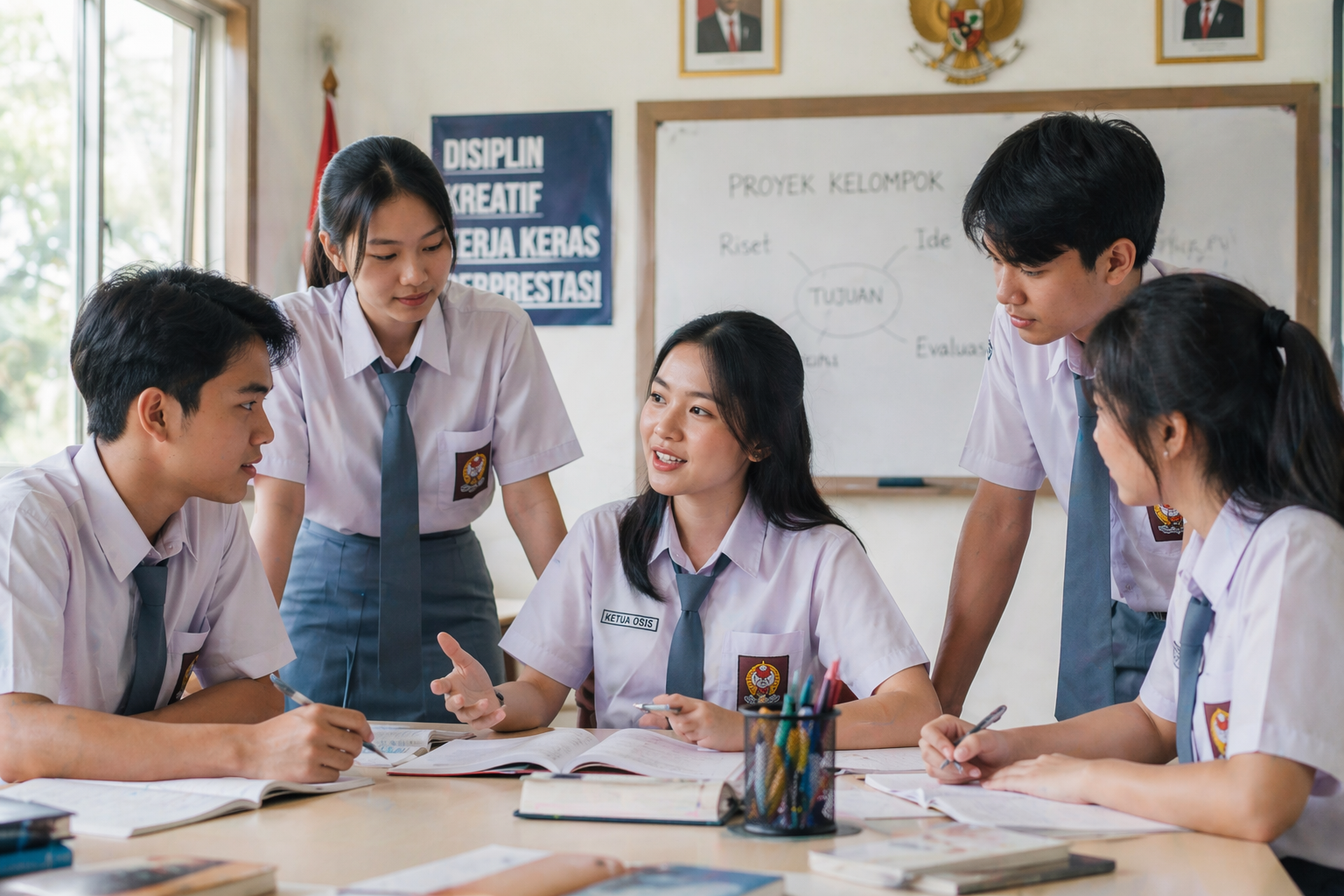
Halal Literacy Among Indonesian Youth: Where Do We Stand?
Kawaguchiko, SouqTimes — Indonesia, home to the world’s largest Muslim population, plays a significant role in shaping the global halal market. As the country continues to grow as an Islamic economic powerhouse, one of the most vital aspects that needs attention is halal literacy among its youth. Halal literacy refers to the understanding of Islamic principles and the ability to make informed choices in everyday life that align with Islamic values, particularly in food, finance, fashion, and lifestyle.
In recent years, discussions around halal literacy have gained traction, but where do we truly stand? While there is a growing awareness, many challenges persist in ensuring that young Indonesians are well-informed about halal practices and principles.
Understanding Halal Literacy
Halal literacy encompasses more than just the knowledge of halal food; it extends to a broader understanding of the ethical and spiritual principles of Islam that guide decisions in various aspects of life. These include the consumption of halal products, understanding halal finance and business practices, and fostering an overall Islamic worldview in daily decisions.
While many Indonesian youth have a basic understanding of halal concepts, a deeper and more comprehensive awareness is often lacking. The complexity of halal certification, the nuances of Islamic finance, and the broader application of halal principles in different industries are often underexplored in education and everyday discussions.
Opportunities in Promoting Halal Literacy
- Growing Interest in Halal Consumerism
The rise of the halal industry in Indonesia presents an opportunity to promote halal literacy. As the halal market grows, especially in sectors like food, fashion, and tourism, the younger generation can become both consumers and influencers in shaping a halal lifestyle. With the global halal economy expected to reach trillions of dollars in the coming decades, equipping youth with halal literacy can position them as leaders in this burgeoning market.
- Government Support and Educational Integration
The Indonesian government has shown interest in promoting halal literacy through various initiatives, including halal certification campaigns and support for halal businesses. However, integrating halal education into the formal school system remains a crucial next step. Many students do not encounter systematic learning about halal beyond their religious studies classes. Introducing halal literacy as part of a broader curriculum could foster a more thorough understanding.
- The Rise of Social Media and Online Platforms
Social media platforms have become powerful tools for promoting halal awareness among youth. With influencers and online communities dedicated to halal living, Indonesian youth have greater access to information on halal products, services, and lifestyles. These platforms also encourage discussions about the ethical considerations of living a halal lifestyle in a modern, globalized world.
Key Challenges in Halal Literacy Among Youth
- Lack of Comprehensive Education
Despite the growing interest in halal lifestyles, there is a significant gap in comprehensive halal education. Most youth learn about halal practices through informal channels—family, religious gatherings, and social media—but the absence of a formal, structured educational system leaves many gaps in their understanding. There is also a lack of education on halal certification processes and how to differentiate between truly halal products and those with misleading labels.
- Confusion Over Halal Certification and Standards
With the increasing number of products and services claiming to be halal, confusion arises over certification standards. Different halal certifying bodies sometimes have varying guidelines, and the youth may not know how to verify the legitimacy of halal claims. This is particularly concerning in the context of food, where many young people may unknowingly consume non-halal items due to misinformation or lack of knowledge.
- Balancing Modernity with Tradition
In a rapidly changing world, many Indonesian youth face the challenge of balancing modern, globalized influences with their traditional religious values. Halal literacy involves not just knowing what is permissible or prohibited, but also applying these principles in a world that often promotes practices at odds with Islamic values. The pressure to conform to global trends while adhering to halal principles creates a tension that many young Indonesians struggle to navigate.
- Limited Access to Halal Information
Despite the abundance of information available online, not all youth have equal access to quality sources of halal knowledge. Rural areas, in particular, may face challenges in terms of both internet access and educational resources. Furthermore, information is often fragmented and inconsistent, making it difficult for young people to gain a thorough, accurate understanding of halal living.
What Can Be Done? Recommendations for the Future
- Incorporate Halal Literacy into the National Curriculum
To equip the next generation with the necessary tools for navigating the halal economy, halal literacy should be integrated into the national education system. A curriculum that includes the principles of halal food, finance, fashion, and lifestyle will ensure that Indonesian youth are better prepared to make informed decisions aligned with Islamic values.
- Create Comprehensive Halal Certification Resources
To address the confusion surrounding halal certification, there is a need for clearer, more accessible resources that explain the certification process and the criteria used by different bodies. An official, easy-to-navigate platform could help youth quickly verify the halal status of products and services, making it easier for them to trust what they consume.
- Promote Halal Literacy Through Digital Platforms
Taking advantage of the digital age, educational campaigns on halal literacy should be amplified on social media platforms. This would involve creating engaging content such as videos, podcasts, and infographics that explain halal principles in a modern, relatable way. Collaborations with influencers and online educators could also play a vital role in spreading knowledge.
- Encourage Community Engagement and Dialogue
Creating spaces for dialogue and discussion about halal living can foster a deeper understanding of its importance. Youth-led community programs, debates, and workshops on halal practices can serve as platforms for young people to learn from one another and share their experiences. These forums can bridge the gap between religious teachings and practical application in the modern world.
Conclusion: A Path to Empowered Youth

Halal literacy among Indonesian youth is a journey that is still in its early stages. While the opportunities are vast, significant work remains to ensure that young Indonesians are empowered with the knowledge to navigate the halal economy. Through a combination of government support, education, and the effective use of digital platforms, Indonesia can foster a generation that is both well-informed and confident in their halal choices. As halal literacy grows, it will not only shape a more ethical, informed youth but also contribute to Indonesia’s leadership in the global halal industry.
Muhammad Raihan Adhika
SouqTimes
References:
Aisyah, M. (2023). Exploring halal literacy learning in high school students. Journal of Islamic Knowledge, 12(3), 45–59.
Krisna, I. G. (2023). Reorientation of halal literacy education development in the curriculum of Islamic educational institutions: An alternative concept. ResearchGate.
Ministry of Religious Affairs of the Republic of Indonesia. (2024). Halal lifestyle education in Indonesia: An analysis of textbook content. ResearchGate.
Malini, H. (2021). Small and Medium Enterprises Halal Literacy Measurement During Covid-19 Pandemic. Journal of Islamic Economics and Finance, 2(2), 3345