Korean Cuisine Establishes Presence in UAE Through Trade Shows and Cultural Promotion
The 2025 Dubai K-Food Fair transformed an exhibition hall in Dubai into a dynamic display of Korea’s culinary industry, featuring 30 Korean companies and 60 Middle Eastern buyers in a two-day event organized by the Korea Agro-Fisheries & Food Trade Corporation.
The fair showcased Korea’s signature food products including red ginseng, rice cakes, Korean beef, and kimchi, with the primary goal of converting Korean food culture into concrete export agreements within Islamic consumer markets. The event facilitated over 251 personalized business meetings, resulting in seven memorandums of understanding worth more than $2 million.
Product Focus and Halal Certification
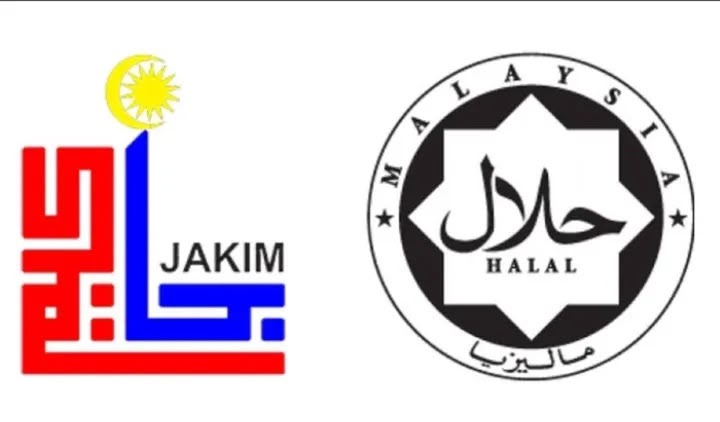
At the Nonghyup Red Ginseng booth, a company director reported strong buyer interest in the product’s health benefits and skin-enhancing qualities. The company emphasized its capability to produce halal-certified ginseng, viewing the UAE’s strategic position, robust consumer purchasing power, and growing appreciation for Korean ginseng as an optimal gateway to the broader Middle Eastern market.
Local buyer Roydon Dmello, CEO of Pure Heart General Trading, identified tteokbokki (Korean spicy rice cakes) as having the strongest market potential, suggesting that a softer texture would increase consumer appeal. He also mentioned importing rabokki, a variation combining rice cakes with instant noodles, which performs well in sales.
Growing Market Performance
Korean food exports to the UAE have shown impressive growth, rising 40.2% year-over-year to reach $116 million as of May. Joo Won-chul from the Ministry of Agriculture, Food and Rural Affairs committed to adapting quickly to changing export conditions to maintain Korean food’s growth trajectory.
Market Transformation and Consumer Shift
The transformation of the UAE market is exemplified by Shin Dong-chul, founder of 1004 Gourmet, a UAE-based Korean food and beauty retailer operating five stores and supplying over 600 hotels and restaurants. When his first store opened in 2008, Korean cuisine was largely unknown to local consumers, with 80% of customers being Korean expatriates. Today, that demographic has completely reversed, with 80% of customers now being non-Korean, a shift attributed to the global Korean cultural wave and word-of-mouth promotion among chefs and influencers.
Premium Korean Beef Introduction
Shin is spearheading efforts to introduce premium Hanwoo beef to one of the world’s most selective halal markets. Local chefs frequently inquire about Hanwoo availability, having experienced its taste during visits to Korea. Unlike Japanese Wagyu, which is valued for high fat content, Hanwoo offers a more balanced profile with rich aroma, distinctive flavor, and savory, firm texture.
The popularity of Hanwoo was evident both at the food fair and at its inaugural launch showcase in Abu Dhabi, where Korea’s halal-certified Hanwoo was introduced. Officials from the Hapcheon Livestock Cooperative Federation reported significant import interest from attendees, with one group signing a memorandum of understanding during the fair.
Cultural Hub Supporting Food Diplomacy
Korean food enthusiasm in Dubai continues to grow, supported by the Dubai branch of Korea 360, a physical space created through interagency collaboration to showcase Korean content spanning dramas, K-pop, food, fashion, and cosmetics.
Park Young-il, director of the UAE Business Center at the Korea Creative Content Agency, reported that since opening in April, the Dubai location has attracted an average of 1,200 weekend visitors and approximately 400 weekday visitors. The venue, operating through April next year, is expected to promote Korean cultural influence and support broader Korean market expansion throughout the Middle East.
Original Article:
Islamicity. (2025, July 29). The Islamic legacy of mental health. Islamicity. https://www.islamicity.org/105275/the-islamic-legacy-of-mental-health/