China’s Expanding Halal Food Sector: A Growing Market for International Businesses
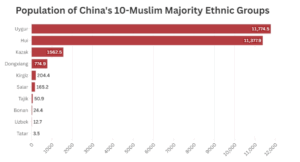
Source: China Briefing
JAKARTA – China’s halal food industry represents one of the world’s most promising yet complex market opportunities. With an estimated value exceeding $77 billion in 2024 and anticipated annual growth of nearly 11%, this sector is attracting increasing attention from international food companies and investors seeking to tap into China’s diverse consumer base.
Market Size and Growth Trajectory
The Chinese halal food market has experienced remarkable expansion, with industry projections suggesting it could reach over $418 billion by 2025. This growth is powered by several interconnected factors, including China’s substantial Muslim population of approximately 20-25 million people, rising disposable incomes, and an evolving consumer preference for products perceived as premium and safe.
The market encompasses diverse food categories, with meat and poultry products dominating sales, followed by dairy products, convenience foods, and beverages. Notably, the appeal of halal-certified products has extended beyond religious consumers, with many non-Muslim Chinese viewing these products as indicators of superior quality and safety standards.
Regional Distribution and Key Markets
China’s halal food consumption is geographically concentrated, with several provinces standing out as primary markets:
Xinjiang Uyghur Autonomous Region serves as the epicenter of China’s halal food ecosystem, accounting for approximately 17% of national halal food sales. The region’s large Uyghur population and strategic position along China’s Belt and Road Initiative have made it a focal point for both domestic consumption and international trade.
Henan Province has emerged as a major production hub, housing over 47,000 halal food enterprises and contributing roughly 14% of national sales. The province’s significant Hui Muslim population has created a robust supply chain spanning from agricultural production to retail distribution.
Northwestern provinces including Ningxia, Gansu, and Qinghai form a continuous belt of halal consumption and production, benefiting from government initiatives to develop these regions as halal industry centers.
Regulatory Environment and Certification
One of the most significant challenges facing businesses in China’s halal food market is the fragmented regulatory landscape. Unlike many countries with centralized halal certification systems, China operates through a decentralized approach where provincial and municipal authorities manage their own standards and certification processes.
The regulatory framework involves multiple entities:
- The State Administration for Market Regulation oversees general food safety standards
- The Islamic Association of China and its regional branches handle product certification
- Local Ethnic and Religious Affairs Commissions enforce halal regulations and issue business licenses
This decentralized system means businesses must navigate varying requirements across different provinces, though certifications from one region are generally recognized throughout China.
Import Opportunities and International Trade
China’s growing halal food demand has created substantial import opportunities, with the country importing approximately $4.2 billion worth of halal-certified products in 2024. The import market is diversified across several regions:
- Southeast Asia leads with 40% of imports, primarily from Malaysia
- Middle Eastern countries contribute 25%, with Saudi Arabia as a key supplier
- Oceania accounts for 20%, mainly from Australia and New Zealand
- European nations provide 10% of imports
This import reliance presents clear opportunities for international exporters, particularly those specializing in high-quality meat products, dairy items, and processed foods.
Strategic Advantages and Market Drivers
Several factors are driving continued growth in China’s halal food sector:
Government Support: Both central and provincial governments have designated halal food as a strategic industry, particularly in regions with significant Muslim populations. This includes subsidies for certification, investments in dedicated processing zones, and export facilitation initiatives.
Consumer Perception: Halal-certified products are increasingly viewed as symbols of cleanliness, safety, and quality control, appealing to health-conscious consumers beyond the Muslim community.
Tourism and Hospitality Growth: The expansion of halal-friendly tourism and hospitality services in major cities has created additional demand for certified products and services.
Belt and Road Initiative: China’s ambitious infrastructure and trade initiative has improved logistics and reduced barriers for halal trade with Muslim-majority countries.
Challenges and Considerations for Foreign Investors
Despite the opportunities, several challenges must be addressed:
Regulatory Complexity: The fragmented certification system requires careful navigation and often multiple approvals across different jurisdictions.
Market Entry Requirements: All imported food products must comply with China’s Food Safety Law and related regulations, regardless of foreign certifications.
Local Partnerships: Successful market entry often requires collaboration with local distributors, certification bodies, and government authorities.
Cultural Sensitivity: Understanding local preferences and religious requirements is crucial for product development and marketing strategies.
Future Outlook
China’s halal food market is positioned for continued expansion, driven by demographic trends, government policy support, and evolving consumer preferences. The integration of this market with China’s broader economic initiatives, particularly the Belt and Road Initiative, suggests that successful businesses in this sector could benefit from both domestic consumption growth and export opportunities to Muslim-majority countries.
For international businesses considering entry into this market, the key to success lies in understanding the complex regulatory environment, building strong local partnerships, and developing products that meet both religious requirements and broader Chinese consumer expectations for quality and safety.
The halal food sector represents a unique intersection of religious tradition, modern commerce, and government policy in China, offering substantial opportunities for businesses prepared to navigate its complexities and invest in long-term market development.
Original article:
halaltimes.com. (n.d.). Navigating China’s Halal Food Market: Opportunities and Compliance for Foreign Investors. Retrieved July 10, 2025, from https://www.china-briefing.com/news/navigating-chinas-halal-food-market-opportunities-and-compliance-for-foreign-investors/