Islamic carpets in Hong Kong offer ‘tangible evidence’ of cross-cultural exchange with China
Exhibition reveals ‘legacy of mutual influence’, says museum director
Collaborative Exhibition Showcases Historical Artistry
Doha’s Museum of Islamic Art (MIA) and the Hong Kong Palace Museum (HKPM) have partnered to present a distinctive exhibition celebrating the intricate patterns, premium materials, and sophisticated craftsmanship of carpets created for historical rulers.
Comprehensive Display of Cross-Cultural Heritage
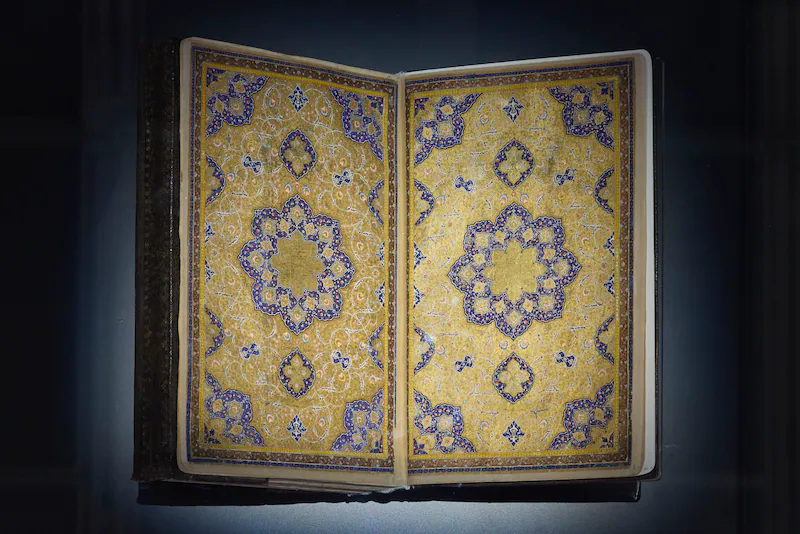
Running until October 6 at the Hong Kong Palace Museum’s Gallery 9, “Wonders of Imperial Carpets: Masterpieces from the Museum of Islamic Art” explores the extensive artistic and cultural interactions between Islamic and Chinese civilizations spanning centuries. This marks Hong Kong’s first comprehensive examination of Islamic imperial carpets, featuring nearly 100 historical artifacts including carpets, manuscripts, ceramics, metalwork, and jade from the 16th to 18th centuries, primarily from MIA’s collection with additional pieces from Beijing’s Palace Museum and HKPM.
Artistic Convergence Through Trade and Diplomacy
According to Mounia Chekhab Abudaya, MIA’s deputy director of curatorial affairs, the exhibition demonstrates how artistic traditions from Safavid, Mughal, and Ottoman eras intersected with Chinese traditions through centuries of commerce, diplomatic relations, and shared visual vocabulary. The Silk Road facilitated these exchanges, enabling the transfer of concepts, materials, and designs between East and West.
Shared Aesthetic Elements and Distinctions
Both Islamic and Chinese carpets utilized luxurious materials like silk and gold thread, featuring elaborate geometric, floral, and figural designs. Chinese carpets from the Xinjiang region during the Qianlong period similarly employed floral motifs for imperial purposes. The primary distinction lay in symbolic content: Islamic carpets incorporated prayer niches and talismanic symbols, while Chinese carpets featured Taoist or imperial iconography.
Notable Exhibition Pieces
The exhibition includes significant works such as the Ottoman Cintamani prayer rug with its auspicious three-circle motif, and the Carpet with Flowers from the Qianlong period showcasing imperial floral patterns. The centerpiece is the Kevorkian Hyderabad Carpet, measuring nearly 16 meters long and representing one of the longest Islamic carpets in any museum collection.
Cultural Legacy and Significance
These artifacts serve as physical proof of centuries-long cultural interaction and reciprocal influence, representing not only exceptional craftsmanship but also the enduring legacy of cross-cultural exchange between Islamic and Chinese civilizations.
Original Article:
The National News. (2025, July 15). Islamic carpets in Hong Kong offer tangible evidence of cross-cultural exchange with China. The National News. https://www.thenationalnews.com/arts-culture/art-design/2025/07/02/islamic-carpets-in-hong-kong-offer-tangible-evidence-of-cross-cultural-exchange-with-china/