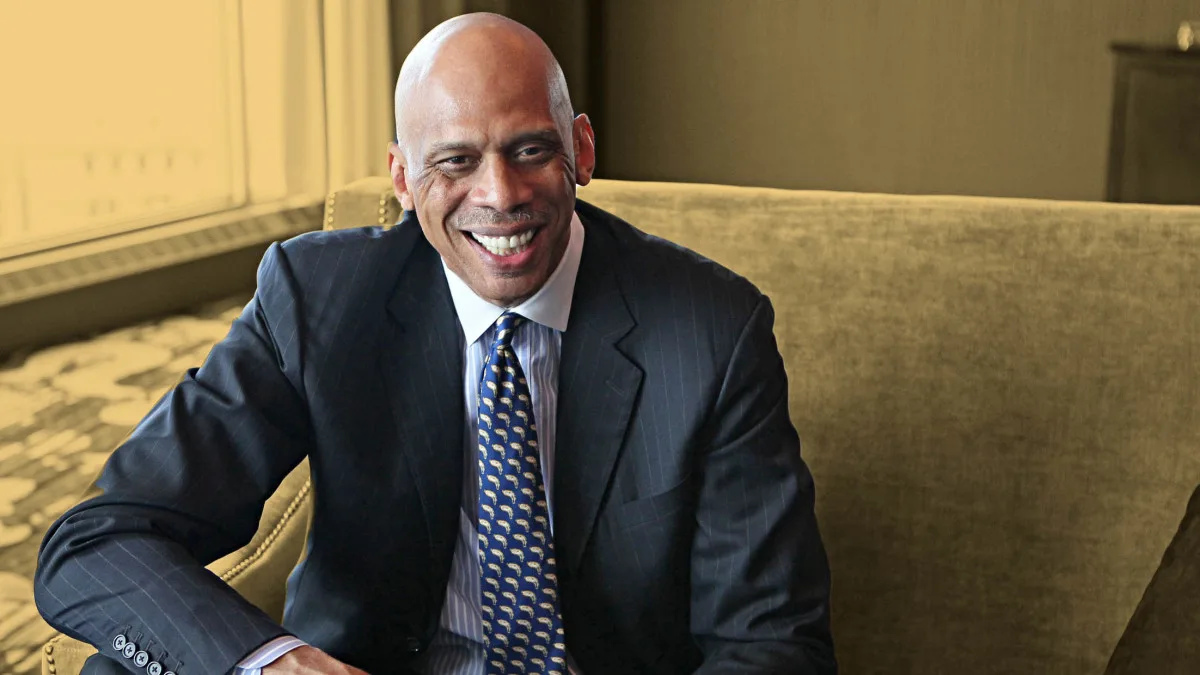
Kareem Abdul-Jabbar Discusses Islam’s Transformative Impact on His Life
Basketball icon Kareem Abdul-Jabbar recently shared insights about how his conversion to Islam fundamentally transformed his life, describing his faith as a comprehensive way of living rather than merely an intellectual belief system. The former NBA star emphasized that Islamic principles provide guidance for every aspect of daily life, from personal behavior to business practices.
Early Life Struggles and Spiritual Search
During his time at UCLA, Abdul-Jabbar, then known as Lew Alcindor, experienced significant internal conflict as a young man grappling with anger and confusion about racism in America. At 19 years old, he found himself without meaningful spiritual guidance, particularly struggling with his relationship to the Catholic Church, which he felt was complicit in perpetuating racial discrimination.
After extensive study and reflection, particularly influenced by reading “The Autobiography of Malcolm X,” Abdul-Jabbar made the pivotal decision to convert to Islam in 1968. He credits this conversion with fundamentally changing his life trajectory for the better, providing him with the spiritual framework he had been seeking.
Personal Transformation Through Faith
– Finding Inner Peace and Direction
Abdul-Jabbar describes how Islam helped him overcome the bitterness and anger that characterized his youth. The faith provided him with a moral compass to evaluate all aspects of his life, leading to a gradual process of eliminating superficial elements and discovering his authentic self.
“I was very bitter as a young man. Angry at racism, trying to grow up, that’s a big problem for a lot of people. I found through my faith that it gave me a guidance to measure everything by and with a slow process of throwing out all the superficial and unneeded things, I got down to an inner me that I could live with and had respect for,” Abdul-Jabbar explained.
– Comprehensive Lifestyle Changes
The basketball legend emphasizes that Islam represents far more than intellectual belief, describing it as a complete lifestyle that influences daily actions, thoughts, and interactions. He notes that Islamic practices extend to various aspects of life, including pre-meal prayers, business conduct, and personal behavior patterns.
“It’s a total lifestyle, it’s not just something that you intellectually say you believe in and then you are what you think you are. You have to live it,” Abdul-Jabbar stated.
Addressing Controversy and Misunderstanding
– Historical Context and Challenges
While Abdul-Jabbar acknowledges that he might have handled certain aspects of his conversion differently due to the controversy it generated, he expresses no regrets about this life-changing decision. During the 1960s, many Americans viewed Islam as incompatible with American values, a perspective that Abdul-Jabbar attributes to widespread misunderstanding of the religion.
– Breaking Away from Previous Religious Experience
Coming from a Catholic background, Abdul-Jabbar felt deeply uncomfortable with what he perceived as the church’s abandonment of Black Americans. He believed that Catholic teachings justified slavery and hardship while failing to recognize and uplift the contributions of people of color to society. In contrast, he found Islamic teachings more aligned with his values and experiences.
Cultural Connection and Identity Discovery
One of the most significant aspects of Abdul-Jabbar’s conversion was the opportunity it provided to connect with his African roots. This cultural connection was something he felt unable to achieve through Christianity, and it brought him considerable satisfaction and a stronger sense of identity.
Despite opportunities to serve as what he describes as a “poster child for the Good Negro” to demonstrate American equality and opportunity, Abdul-Jabbar chose instead to focus on advocating for genuine equal rights. His faith provided the foundation for this commitment to authentic social justice rather than symbolic representation.
Ongoing Impact and Advocacy
– Continuing Mission
Abdul-Jabbar has become a prominent advocate for Islam in America, using his platform to promote understanding of the faith and its positive contributions to society. His advocacy extends beyond religious matters to encompass broader issues of civil rights and social justice.
– Building Bridges Between Communities
The former NBA champion believes that American and Islamic communities can work together effectively to achieve equal rights and opportunities for all people. His life example demonstrates how Islamic faith can coexist with and contribute to American society while maintaining authentic religious practice.
– Legacy of Faith-Based Leadership
Through his public discussion of Islam’s impact on his life, Abdul-Jabbar continues to challenge misconceptions about the religion while demonstrating how faith can provide guidance, purpose, and positive transformation. His journey from an angry young man to a respected advocate illustrates the profound personal and social benefits he has derived from his religious commitment.
Abdul-Jabbar’s perspective offers valuable insights into how religious faith can serve as a foundation for personal growth, cultural identity, and social justice advocacy, particularly for individuals navigating complex issues of race and belonging in American society.
Original Article:
Ganglani, N. (2025, August 18). Kareem Abdul-Jabbar shares what type of impact Islam has on his life: “It’s a total lifestyle it’s not just something you intellectually say you believe in”. Basketball Network. https://www.basketballnetwork.net/off-the-court/kareem-abdul-jabbar-shares-what-type-of-impact-islam-has-on-his-life