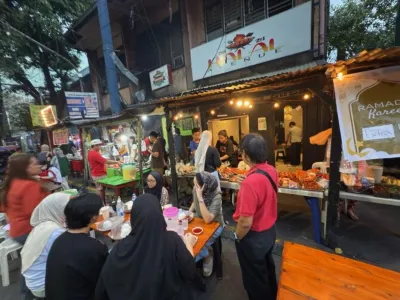
Padre Campa Street: A Culinary Sanctuary for Manila’s Muslim Community
Source: halaltimes.com
Kawaguchiko, Japan – As the sun sets over Manila’s University Belt, a remarkable story of cultural resilience, culinary tradition, and community spirit unfolds along Padre Campa Street. This unassuming stretch of road represents far more than a simple collection of food stalls—it is a lifeline for Filipino Muslims, a beacon of hope, and a testament to the power of food in preserving cultural identity.
A Demographic Landscape
The Philippines presents a complex religious mosaic, with Muslims comprising approximately 6.7 million people—about 6.4% of the country’s total population of over 109 million. While this might seem a modest percentage, it represents a rich and historically significant community with roots predating Spanish colonization. The majority of Filipino Muslims trace their heritage to the southern regions of Mindanao and the Sulu archipelago, where Islam has been established since the 14th century.
The Spiritual and Culinary Significance of Halal Food
Halal food in Manila is not merely about following religious dietary laws—it is a profound expression of cultural identity, spiritual practice, and community connection. For Muslims like Hanan, a student from Sultan Kudarat, finding authentic halal food is a critical aspect of maintaining her cultural roots while pursuing education in the capital. The journey of finding reliable halal food in Manila is fraught with challenges. Many restaurants fail to meet the strict Islamic dietary requirements, leaving Muslim students, professionals, and residents in a constant search for trustworthy dining options. This scarcity makes places like Padre Campa Street not just convenient, but essential.
The Architects of Culinary Comfort
Ferdanah Talib: A Mindanaoan Culinary Entrepreneur
Ferdanah Talib’s story epitomizes the spirit of community-driven entrepreneurship. Hailing from Zamboanga Sibugay, her family established the Halal Avenue food stall in 2017 with a mission beyond mere business. Their menu is a carefully curated blend of:
- Popular Filipino staples
- Traditional Mindanaoan delicacies
- Regional specialties like binaki (steamed corn dessert)
- Familiar comfort foods that evoke memories of home
Talib explains their motivation simply: “We serve native delicacies because there are many Muslims in this area.” Her extended operating hours during Ramadan—from 4:30 p.m. until midnight—demonstrate a deep commitment to supporting her community’s spiritual and nutritional needs.
Mary Ann Serra: An Unexpected Ally
Perhaps most remarkable is the story of Mary Ann Serra, a Christian entrepreneur who has been serving the Muslim community since 2012. Her decision to create a fully halal-certified restaurant stems from keen observation and genuine compassion. Serra recognized the limited halal dining options and deliberately crafted a menu that celebrates Tausug cuisine while remaining accessible to a broader audience.
Her stall offers:
- Authentic Tausug dishes
- Signature chicken barbecue
- Freshly grilled fish and squid
- Traditional black soup (a Tausug staple)
Ramadan: A Time of Profound Connection
During the holy month of Ramadan, Padre Campa Street transforms into more than a food destination—it becomes a living, breathing community center. For Muslims far from their ancestral homes, these food stalls offer:
- A sense of spiritual comfort
- Familiar flavors of home
- A space for community gathering
- Emotional and cultural nourishment
The Broader Cultural and Economic Implications
The halal food hub on Padre Campa Street does more than serve meals. It:
- Challenges cultural misconceptions
- Promotes interfaith understanding
- Creates economic opportunities for Muslim entrepreneurs
- Supports local community development
While the hub’s growth is primarily organic, government agencies like the Department of Trade and Industry have begun recognizing the potential of halal industries. Their initiatives aim to:
- Promote halal food production
- Support certification processes
- Highlight the culinary heritage of Mindanao
Arsie Muin, a Zamboanga native spending his third Ramadan in Manila, captures the emotional significance perfectly: “It means a lot to us to have a place like this because, as Muslims, what we’re looking for, first and foremost, is halal food that we can trust.”
Padre Campa Street represents more than a collection of food stalls. It is:
- A cultural bridge
- A testament to community resilience
- A model of urban inclusivity
- A celebration of culinary diversity
Looking to the Future
As Manila continues to evolve, spaces like Padre Campa Street become increasingly crucial. They demonstrate how food can transcend religious and cultural boundaries, creating spaces of mutual understanding, respect, and shared experience.
The story of Halal Food Manila is ultimately a story of hope—a narrative of how community, culture, and cuisine can come together to create something truly magical.
To those seeking to understand the rich tapestry of Filipino Muslim life, to food lovers, to cultural explorers—Padre Campa Street awaits. Here, every meal tells a story, every bite is a connection to heritage, and every moment is an opportunity for understanding.
References
halaltimes.com. (n.d.). Where to Find Halal Food in Manila. Retrieved March 25, 2025, from https://www.halaltimes.com/ramadan-in-manila-halal-food-favorites-of-filipino-muslims/

