Religious Freedom Meets Animal Welfare: The Stunning Debate in UK-Netherlands Halal Laws
Parliamentary Challenge Sparks Religious Community Concerns
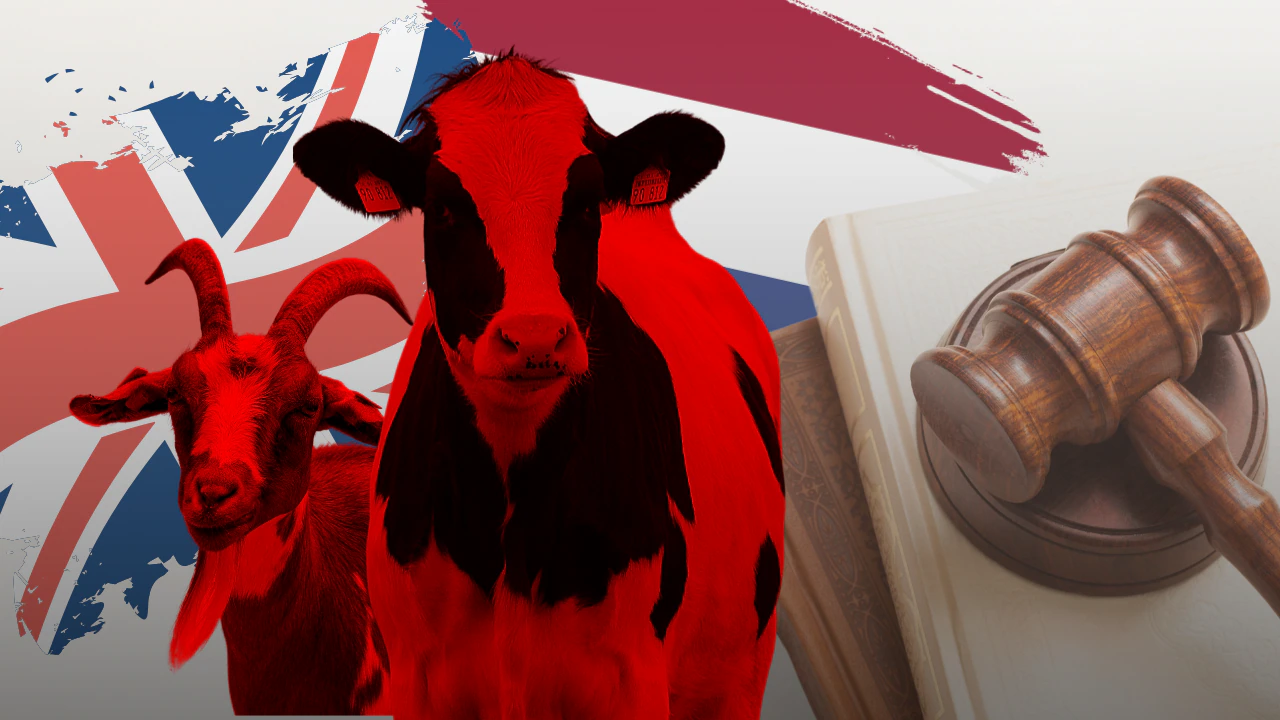
The British Parliament faces a significant decision on June 9th regarding a petition demanding the elimination of slaughter without stunning, directly challenging current religious exemptions. With over 100,000 signatures, this petition has generated substantial anxiety within Jewish communities alongside Muslim populations, who contend that such prohibitions would fundamentally undermine their religious freedoms.
Meanwhile, the Netherlands witnesses an unusual development as some Muslims choose to boycott animal slaughter during Eid al-Adha as protest. Several mosques have escalated their stance, urging followers to abstain from consuming any domestically-produced meat until proper stunning-free slaughter becomes available—despite the Netherlands actually permitting such practices under permit requirements.
Current Legal Frameworks: Exceptions Within Standard Practice
Both UK legislation plus EU regulations mandate animal stunning before slaughter as standard procedure, while providing specific exemptions for religious practices including halal plus kosher methods.
The UK operates under the Welfare of Animals at the Time of Killing (England) Regulations 2015, while Netherlands compliance involves multiple regulatory layers: European Regulation (EC) No. 1099/2009, the national Animal Act (Wet dieren), plus the Animal Keepers Decree (Besluit houders van dieren).
The Science Behind Stunning Controversy
Religious authorities offer nuanced perspectives on stunning practices versus traditional methods. Hazrat Mirza Tahir Ahmad, Fourth Khalifa of the Ahmadiyya Muslim Community, argued that stunning effectiveness remains scientifically unproven, potentially creating additional cruelty rather than reducing it.
According to Islamic teaching, proper halal slaughter immediately severs the main artery using sharp instruments, instantly cutting brain blood supply. Visible animal movements following slaughter represent involuntary reflexes rather than conscious suffering, explaining religious emphasis on prescribed methods that ensure immediate unconsciousness.
Dutch animal protection advocates acknowledge that correctly performed stunning-free slaughter doesn’t necessarily increase animal suffering compared to conventional stunning methods, provided strict supervision plus proper permits govern the process.
Islamic Perspectives on Modern Stunning Technology
Contemporary Islamic scholarship demonstrates flexibility regarding stunning technology unknown during early Islamic periods. When questioned about stunning compatibility with Islamic principles, religious authorities emphasize that modern stunning methods align with foundational mercy principles taught by Islamic teachings.
The key distinction involves ensuring animals remain alive during stunning rather than dying from the stunning process itself. This approach maintains ritual requirements while incorporating technological advances designed to minimize animal suffering.
Quranic Prohibitions Define Acceptable Methods
Islamic law explicitly prohibits certain slaughter methods through Quranic verse 5:4, which forbids consuming animals that die naturally, are strangled, beaten to death, killed by falls, gored to death, or partially eaten by wild animals—except those properly slaughtered according to prescribed methods.
Current Islamic interpretation permits half-stunning procedures that reduce animal suffering while maintaining heart plus brain function during proper slaughter, allowing blood flow as required by religious law.
Community Division: Rigid Positions Versus Practical Solutions
Some Dutch Muslim communities advocate complete meat abstention due to uncertainty about slaughter methods, citing insufficient transparency from butchers plus slaughterhouses regarding stunning practices. This rigid approach prioritizes doubt avoidance over practical religious accommodation.
However, this stance potentially conflicts with Islamic principles of convenience (taysir), which emphasize choosing practical solutions for Muslims living in non-Islamic countries. Rather than collective abstention, more productive approaches involve collaboration with inspection bodies plus investment in transparent slaughter practices.
Scholarly Flexibility on Stunning Procedures
Prominent scholars like Muhammad ibn Salih al-Uthaymeen demonstrate flexibility regarding stunning, ruling that stunned animals remain halal provided they don’t die from stunning itself, blood flows properly during slaughter, plus proper ritual acts are performed. This interpretation references prophetic guidance emphasizing excellent slaughter methods.
Balanced Approach to Religious Practice
Contemporary Islamic leadership advocates balanced approaches that avoid excessive suspicion while maintaining appropriate caution. The guidance emphasizes investigating matters to reasonable degrees rather than adopting either reckless attitudes or unnecessarily restrictive interpretations that complicate religious observance without clear justification.
This balanced perspective encourages Muslims to pursue Islamic teachings through practical investigation rather than extreme positions that may create unnecessary hardship while living in diverse societies with established animal welfare regulations.
Original Article:
Sazili, A. Q., et al. (2025, September 16). Stunning compliance in halal slaughter: A review. PMC / NCBI. Retrieved from https://www.ncbi.nlm.nih.gov/articles/PMC10571904/