Westminster Showdown: MPs Clash Over Halal Slaughter Ban Amid Accusations of Religious Prejudice
Petition-Driven Debate Ignites Parliamentary Tensions
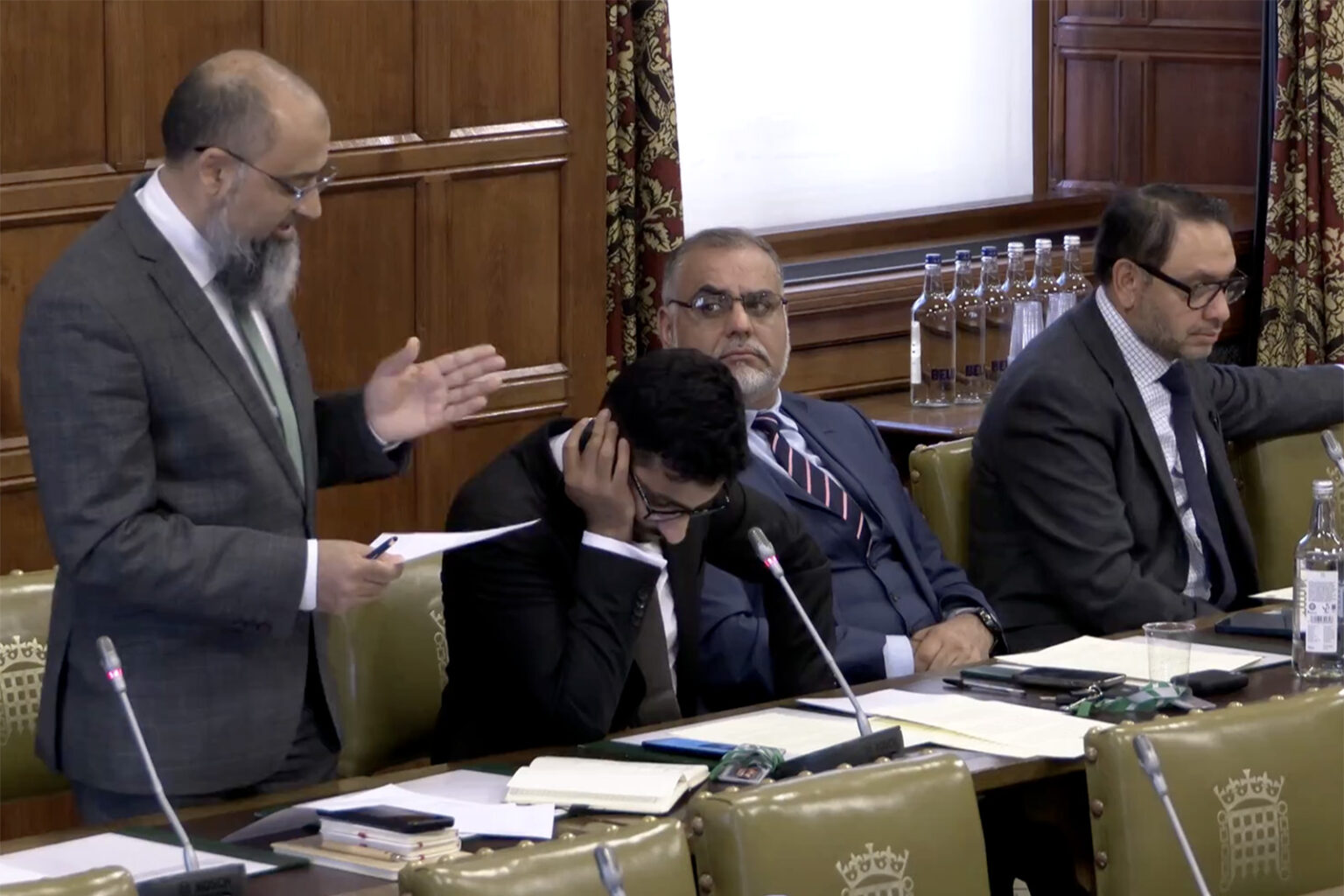
A heated Westminster Hall debate erupted on Monday following a petition that garnered 109,018 signatures calling for a ban on non-stun animal slaughter. The petition argued that such practices are “barbaric” while claiming they don’t align with modern British culture or values, citing similar bans implemented by some EU nations.
The debate exposed deep divisions between MPs, with Muslim parliamentarians arguing that the proposed ban would infringe upon religious freedoms while stoking societal divisions. Current UK law does not mandate stunning before slaughter, maintaining religious exemptions for both halal plus kosher practices.
Religious Requirements Meet Modern Regulations
Islamic slaughter requirements specify that animals intended for food must remain healthy at the time of killing, with death occurring through a single throat cut. The Halal Monitoring Committee, which inspects plus certifies halal products, notes that some Islamic scholars believe stunning causes animal suffering while increasing the likelihood of death before proper throat cutting.
However, other Islamic authorities have deemed pre-slaughter stunning permissible provided it doesn’t kill the animal outright. This scholarly division creates complexity around what constitutes proper halal practice in modern slaughterhouses.
Government Position Balances Competing Interests
The government response expressed preference for universal pre-slaughter stunning while respecting the rights of Jews plus Muslims to eat meat prepared according to their religious beliefs. This position attempts to balance animal welfare concerns with religious freedom protections.
RSPCA data indicates approximately 30 million animals were slaughtered without stunning in 2024, though the organization estimates that around 88% of animals killed for halal meat in the UK receive stunning beforehand. Notably, no animals slaughtered for kosher meat undergo stunning before killing.
Political Motivations Under Scrutiny
Independent MP Rupert Lowe, previously expelled from Reform UK, spearheaded a separate motion calling specifically for “halal slaughter” bans, supported by Conservative MP Bradley Thomas plus DUP’s Sammy Wilson. Critics noted that Lowe made no written interventions regarding kosher slaughter despite verbal opposition during the debate.
Labour MP Yasmin Qureshi condemned the divisive narratives surrounding the stunning debate, highlighting that non-stun religious slaughter represents merely 2.9% of UK animal killings yet receives disproportionate public attention.
Accusations of Prejudice Dominate Discussion
Qureshi revealed receiving emails containing references to “Muslim meat” plus “dirty men with beards,” characterizing such language as prejudice, plain and simple rather than legitimate animal welfare concerns. She argued that public focus centers almost exclusively on halal practices while rarely mentioning kosher slaughter, despite identical methods.
This selective attention, according to critics, reveals underlying anti-Muslim sentiment rather than genuine animal welfare motivations driving the debate.
Heated Exchange Exposes Underlying Tensions
Lowe accused the UK of operating a two-tier slaughter system, claiming that religious exemptions permit vile practices that would turn the stomach of any decent person. He argued that millions of Britons unknowingly consume halal meat due to inadequate labeling systems.
When challenged by Independent MP Ayoub Khan about kosher meat, Lowe confirmed his opposition to all non-stun methods, stating: “We should ban non-stun slaughter, we should ban halal slaughter plus we should ban kosher slaughter.”
MPs Challenge Scientific Claims
Labour MP Naz Shah countered Lowe’s arguments by emphasizing that 88% of halal meat animals receive stunning. Lowe responded by claiming halal stunning uses lower voltage than non-halal methods, suggesting this voltage difference matters most for animal welfare.
Independent MP Iqbal Mohamed criticized the debate’s framing as deeply concerning, describing it as having a title dressed as welfare concern but sounding like a dog whistle for xenophobia. He argued that assuming only one ethical slaughter method exists represents “imposition” rather than scientific fact.
Industry Response Defends Religious Freedom
The Halal Food Authority announced firm opposition to the proposed ban ahead of parliamentary discussions. Chief Executive Dr Amir Masoom emphasized the “profound impact” such restrictions would have on religious communities, food practices, belief freedom, plus broader ethical considerations.
The HFA advocates protecting religious freedom while maintaining humane animal treatment, expressing concern that blanket bans risk alienating communities while undermining equality plus freedom principles enshrined in UK law.
Complex Ethical Landscape Defies Simple Solutions
The debate reveals the complexity of balancing animal welfare concerns with religious freedom protections in pluralistic societies. MPs emphasized that effective solutions require nuanced understanding rather than blanket prohibitions that could marginalize religious communities while potentially failing to address underlying animal welfare issues comprehensively.
Original Article:
Hyphen. (2025, September 17). Ban non-stun slaughter animals: Rupert Lowe petition on halal meat. Hyphen Online. Retrieved from https://hyphenonline.com/2025/06/09/ban-non-stun-slaughter-animals-rupert-lowe-petition-halal-meat/