
Ensuring Halal for All: BPJPH’s Role in Indonesia’s Halal Certification Journey
Kawaguchiko, SouqTimes – As global demand for halal products grows, Indonesia has taken significant steps to strengthen its halal certification system through the establishment of the Badan Penyelenggara Jaminan Produk Halal (BPJPH) or the Halal Product Assurance Organizing Agency. Operating under the Ministry of Religious Affairs, BPJPH has become a central institution responsible for overseeing, regulating, and ensuring the halal integrity of products circulating in the country.
BPJPH: A Central Authority for Halal Certification
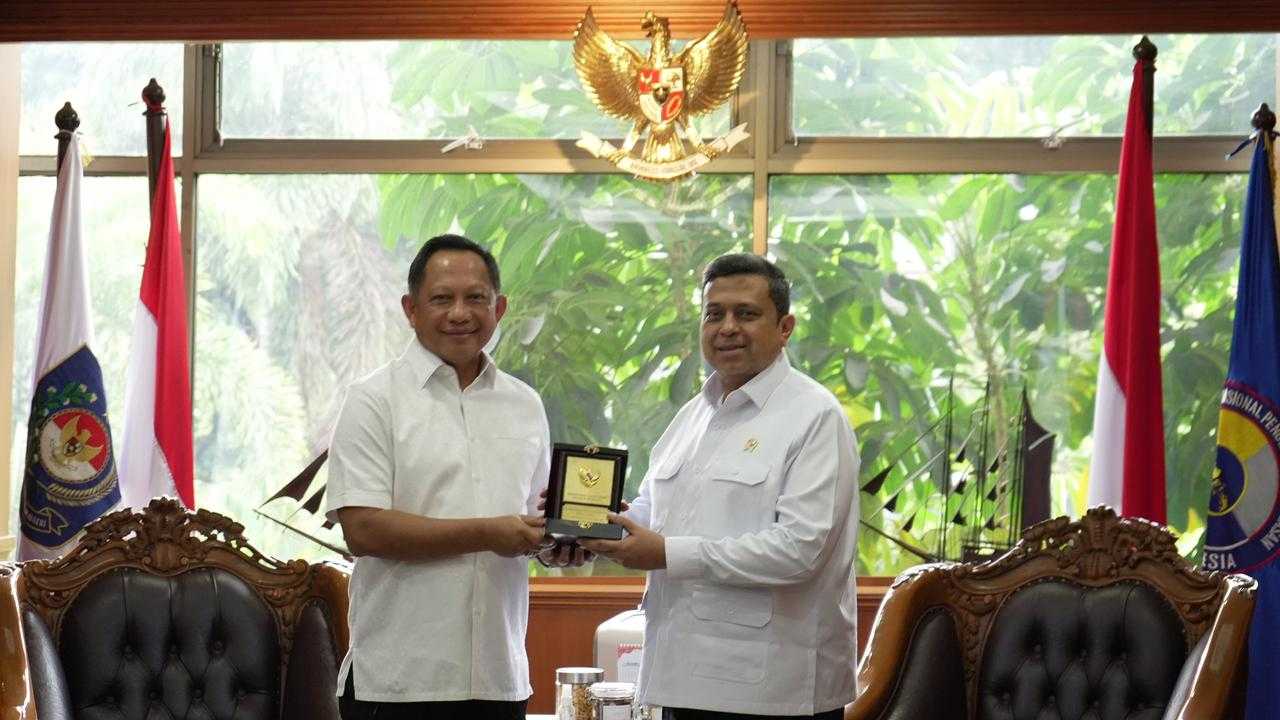
Photo by BPJPH
BPJPH was formed following the enactment of Law No. 33 of 2014 concerning Halal Product Assurance (UUJPH). It took over the halal certification authority previously managed by the Indonesian Ulema Council (MUI). While MUI still plays a role in issuing fatwas on halal matters, BPJPH now oversees the entire certification process, ensuring transparency and efficiency16.
The agency is responsible for:
-
Formulating halal product assurance policies.
-
Issuing and revoking halal certificates and labels.
-
Accrediting Halal Inspection Agencies (LPH).
-
Supervising and educating businesses about halal compliance.
-
Collaborating with domestic and international stakeholders to strengthen the halal ecosystem.
Strengthening Indonesia’s Halal Ecosystem
As the world’s largest Muslim-majority country, Indonesia aims to be a global leader in the halal industry. BPJPH plays a crucial role in realizing this ambition by ensuring that every product marketed as halal meets clear and measurable standards.
One of BPJPH’s milestones is the Mandatory Halal Certification Program, which was officially implemented in phases starting October 17, 2024. This policy requires certain product categories, especially food and beverages, to be halal certified, aiming to protect Muslim consumers and boost confidence in domestic and export markets.
BPJPH also works actively with foreign halal bodies to establish mutual recognition agreements (MRAs), allowing Indonesian halal-certified products easier access to international markets while also recognizing overseas halal certificates.
Key Players in the Ecosystem
BPJPH collaborates with various stakeholders to ensure comprehensive implementation:
-
Halal Supervisors: Internal company auditors responsible for maintaining halal standards throughout production. Their credibility and competence are critical to ensuring consistency3.
-
Halal Inspection Agencies (LPH): Independent bodies that conduct inspections under BPJPH’s accreditation.
-
MUI: Provides religious validation through its Fatwa Commission
The Halal Certification Process

Photo by BPJPH
BPJPH has streamlined the certification process into several key stages:
-
Application Submission: Businesses submit required documents, including a business license and Halal Assurance System (HAS) documentation, via BPJPH’s online platform, SIHALAL.
-
Inspection by LPH: Certified auditors assess production processes to ensure compliance with halal standards.
-
Fatwa Determination by MUI: Based on inspection results, MUI issues a fatwa confirming the product’s halal status.
-
Certificate Issuance: BPJPH finalizes the process by issuing the official halal certificate.
For micro, small, and medium enterprises (MSMEs), a simplified self-declaration process is available to reduce costs and administrative burdens9.
Challenges and Progress

Despite its critical role, BPJPH faces challenges, including:
- Awareness Gaps – Many businesses, especially MSMEs, remain unaware of halal certification requirements.
- Global Competition – Other Muslim-majority nations like Malaysia and Saudi Arabia have more established halal industries, pushing Indonesia to accelerate its efforts.
However, BPJPH has made significant strides:
- Mandatory Halal Certification Timeline – Since 2019, Indonesia has been phasing in mandatory halal certification, with full enforcement expected by 2026.
- Digital Transformation – BPJPH’s online platform simplifies registration, making the process faster and more transparent.
- International Recognition – Indonesia’s halal standards are gaining global acceptance, boosting exports.
Conclusion

Photo by Fikri Rasyid on Unsplash
BPJPH’s efforts are central to Indonesia’s ambition of becoming a world leader in the halal industry. By ensuring that halal certification is accessible, transparent, and credible, BPJPH not only upholds religious values but also drives economic growth. As Indonesia moves toward full mandatory halal certification, BPJPH’s role will remain vital in building a halal ecosystem that benefits all—businesses, consumers, and the nation.
With strong policies, digital advancements, and stakeholder collaboration, Indonesia is well on its way to ensuring “Halal for All.”
References:
BPJPH. (2025). About BPJPH. Halal.go.id. https://bpjph.halal.go.id/en/detail/ab-1
Product Registration Indonesia. (2024). Step-by-Step Process to Obtain Halal Certification in Indonesia – Product registration Indonesia. https://productregistrationindonesia.com/step-by-step-process-to-obtain-halal-certification-in-indonesia/
Ingredientsnetwork.com. (2024). Indonesia introduces new halal certification system. https://www.ingredientsnetwork.com/indonesia-introduces-new-halal-certification-news125207.html
Muhammad Raihan Adhika
SouqTimes

