Be Careful: Stressed Sacrificial Animals Can Lead to Poor-Quality Meat
Understanding the Importance of Proper Animal Handling
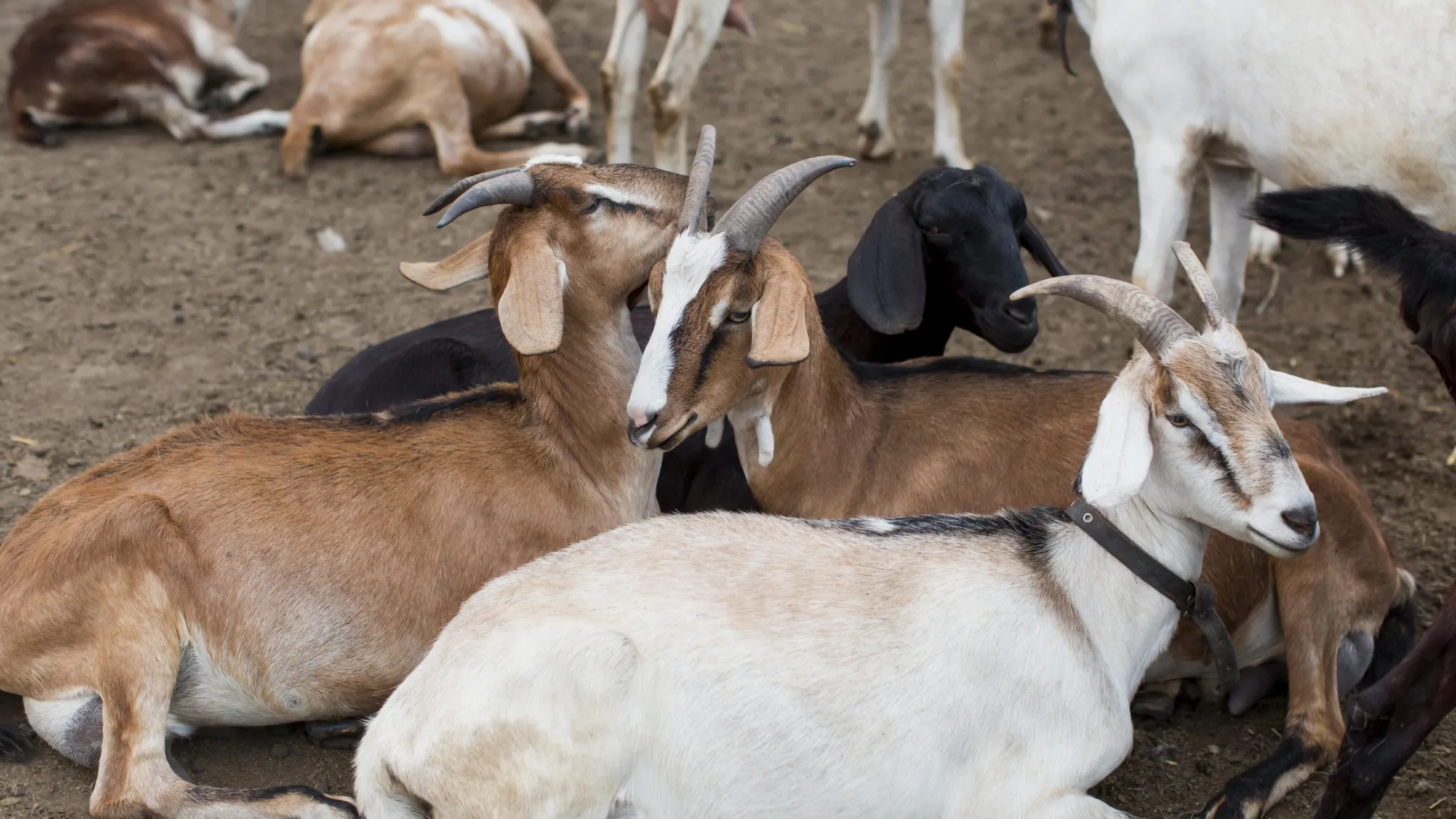
The month of Dhulhijjah marks the arrival of the blessed time for Eid al-Adha, when Muslims around the world perform the sacred act of animal sacrifice (qurban). This annual ritual is not only an act of devotion and gratitude but also a means of sharing blessings with the less fortunate through meat distribution.
However, according to Islamic teachings, every stage of this worship must be performed properly and ethically. One of the most crucial aspects is how sacrificial animals are handled before slaughter—as animal stress can significantly affect the quality, safety, and halal integrity of the meat.
The Link Between Animal Stress and Meat Quality
Dr. Ir. Henny Nuraini, MSi, a lecturer at the Faculty of Animal Science, IPB University, and senior halal auditor at LPH LPPOM, emphasized that the slaughtering process is the act of causing the animal’s death in a way that fulfills both animal welfare principles and Islamic law.
She explained that there are five main requirements for a proper halal slaughter, one of which is that the animal must be halal, alive, and healthy at the time of slaughter. Therefore, ensuring animals remain calm and free from stress before slaughter is essential to maintain both religious compliance and meat quality.
What Causes Animal Stress?
According to Drh. Supratikno, M.Si., P.Avet., from the Faculty of Veterinary Medicine at IPB University, stress in animals can be triggered by both physical and psychological factors.
- Physical causes include fatigue, trauma, and discomfort from long-distance transportation.
- Psychological causes may arise from hunger, pain, excessive heat, or fear.
In some cases, fighting among livestock can also elevate stress levels.
When animals experience stress, their muscle glycogen levels drop drastically, leading to biochemical changes that result in DFD meat — Dark, Firm, and Dry. Such meat has poor texture, reduced shelf life, and lower overall quality.
The Biochemical Effects of Stress on Meat
Severe or acute stress can trigger anaerobic respiration, causing a buildup of lactic acid in the animal’s body. Excessive lactic acid production or a rapid drop in pH levels can block blood circulation in the brain and muscles.
As a result, blood is not properly drained during slaughter, leading to pale, soft, and watery meat (PSE). This type of meat spoils quickly, has a poor appearance, and loses significant weight during cooking due to its high water content.
Best Practices to Prevent Animal Stress Before Slaughter
To ensure optimal meat quality and uphold the sanctity of the sacrifice, several preventive measures must be taken at the slaughter site:
- Restrict access – Only authorized personnel should be allowed in the slaughter area.
- Maintain a calm environment – Avoid loud noises and unnecessary activity near the animals.
- Separate the slaughter area – Keep it distinct from animal holding areas.
- Prevent visual distress – Ensure that live animals do not see other animals being slaughtered or their carcasses.
- Proper timing – Bring animals to the slaughter area only when all tools, equipment, and staff are fully prepared.
Original Article:
Lembaga Pemeriksa Halal (LPPOM) MUI. (2025, October 20). Be careful, stressed sacrificial animals can result in poor quality meat. Retrieved from https://halalmui.org/en/be-careful-stressed-sacrificial-animals-can-result-in-poor-quality-meat/