Nearly Half of UK Imams Now British-Born, Marking Major Generational Shift
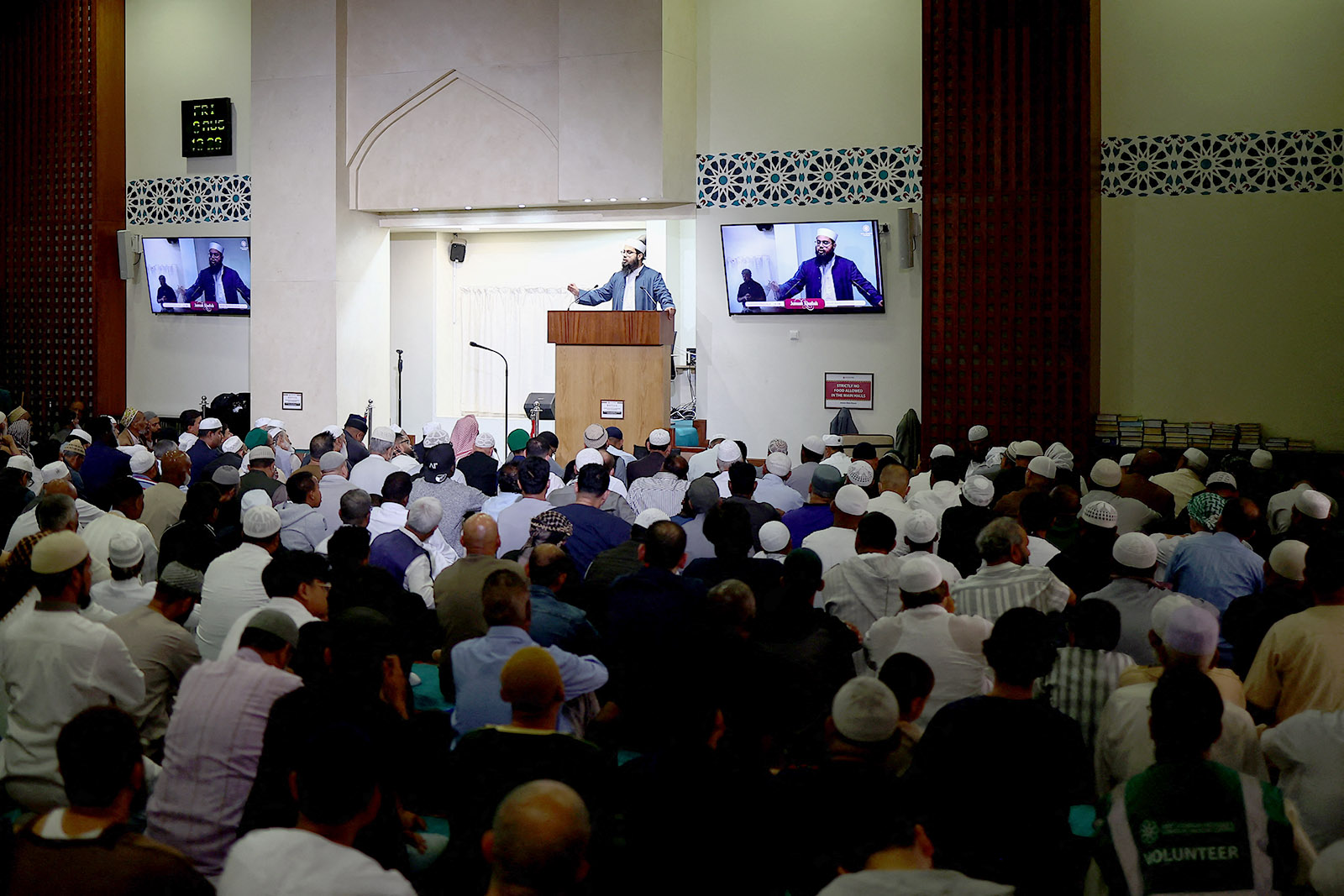
Almost half of imams serving in mosques across the United Kingdom were born in the country, signaling a significant generational transformation in Muslim religious leadership, according to new research from Cardiff University.
A five-year study led by Dr Riyaz Timol at the Centre for the Study of Islam surveyed more than 2,000 imams across England, Wales and Scotland. The findings show that 48% of imams currently working in Britain are UK-born, a sharp increase from just 8% recorded in the last comparable national study conducted in 2008.
Timol said the contrast reflects profound changes within British Muslim communities over the past two decades. With fourth- and fifth-generation Muslims now present in many areas, religious leadership is increasingly shaped by individuals who are culturally embedded in British society and familiar with its social realities.
The shift mirrors broader demographic trends. According to the 2021 census, 51% of Muslims in England and Wales were British-born for the first time, up from 47% in 2011.
Researchers attempted to contact every mosque in Britain and received responses from around two-thirds, covering approximately 1,200 mosques. Since many mosques employ multiple imams, the study compiled biographical data on 2,001 individuals, making it the largest dataset on British imams to date.
In addition to the national survey, the project included 40 in-depth interviews with imams from diverse backgrounds, as well as a separate survey of mosque congregants to understand how communities engage with religious leadership.
The research found that the role of the imam has expanded significantly, particularly as more British-born and English-speaking leaders take on positions. While traditional duties such as leading prayers and delivering sermons remain central, imams are increasingly expected to act as counsellors, community advocates and pastoral figures.
However, the study also highlights serious challenges surrounding working conditions. Many imams reported low wages, insecure employment arrangements and excessive workloads, with some earning less than the national minimum wage despite being effectively on call at all hours.
Timol noted that these findings challenge common stereotypes portraying British imams as disconnected or unable to relate to younger generations. Instead, the research revealed a group of highly dedicated individuals performing extensive, often invisible labour within their communities.
Many imams described spending much of their time dealing with marital disputes, mental health issues and family crises, frequently without formal training in counseling or pastoral care. Several characterized themselves as informal marriage or mental health advisers, despite having been educated primarily in text-based theological seminaries.
The study points to a growing mismatch between the social demands placed on imams and the training they receive, with many expressing strong interest in professional development, particularly in counseling and support skills.
The research also reflects wider social and political pressures. Since the 7/7 attacks, imams have increasingly been positioned as public representatives of Muslim communities, expected to engage in counter-extremism initiatives, interfaith dialogue and civic engagement.
At the same time, digital platforms have reshaped religious authority. Many congregants now seek guidance from online scholars and social media figures, sometimes bypassing local mosque leadership, altering traditional relationships between imams and their communities.
Timol hopes the findings will encourage meaningful discussions about mosque governance and better support for imams. Despite limited resources and recognition, he said, many continue their work with commitment and resilience, often with little public acknowledgment.
Source:
Hyphen. (2026). Half of imams born in UK: Muslim religious leaders — Cardiff Centre study. https://hyphenonline.com/2026/01/12/half-imams-born-in-uk-muslim-religious-leaders-cardiff-centre-study-islam/