South Korea’s Efforts to Expand Halal Certification and Access Global Muslim Markets
The global Muslim population represents one of the fastest-growing consumer markets in the world. Along with this growth, the demand for halal-certified food products has increased significantly. Halal refers to products that comply with Islamic dietary rules, meaning they are prepared and handled according to religious guidelines.
To take advantage of this opportunity, the South Korean government has begun strengthening its efforts to expand halal certification recognition with Muslim-majority countries. Through diplomatic cooperation and institutional support, the government aims to help Korean food companies enter global Muslim markets more easily.
Strengthening Halal Certification Recognition
One of the main strategies used by the South Korean government is the expansion of Mutual Recognition Agreements (MRAs) with halal certification authorities in other countries. These agreements allow halal certificates issued in South Korea to be recognized abroad.
Normally, food producers who want to export to Muslim countries must obtain certification from foreign halal authorities, which can be expensive and time-consuming. However, when MRAs exist, domestic certification bodies in Korea can evaluate products and issue halal certification that is already recognized by partner countries. This process helps simplify export procedures and reduces costs for companies.
The government is currently focusing on expanding cooperation with key Muslim markets such as Indonesia, Malaysia, the United Arab Emirates, and Saudi Arabia. These countries are considered important because they have strong halal certification systems and large Muslim consumer markets.
In addition, the government plans to invite international halal experts to South Korea to share their knowledge and provide consultation. This effort aims to improve cooperation among governments, certification agencies, and businesses involved in the halal industry.
Promoting Korean Food in International Markets
South Korea is also actively promoting its food products in global markets. One example was its participation in Gulfood 2026, one of the largest international food exhibitions held in Dubai. During the event, Korean companies signed several business agreements worth around 8 million US dollars.
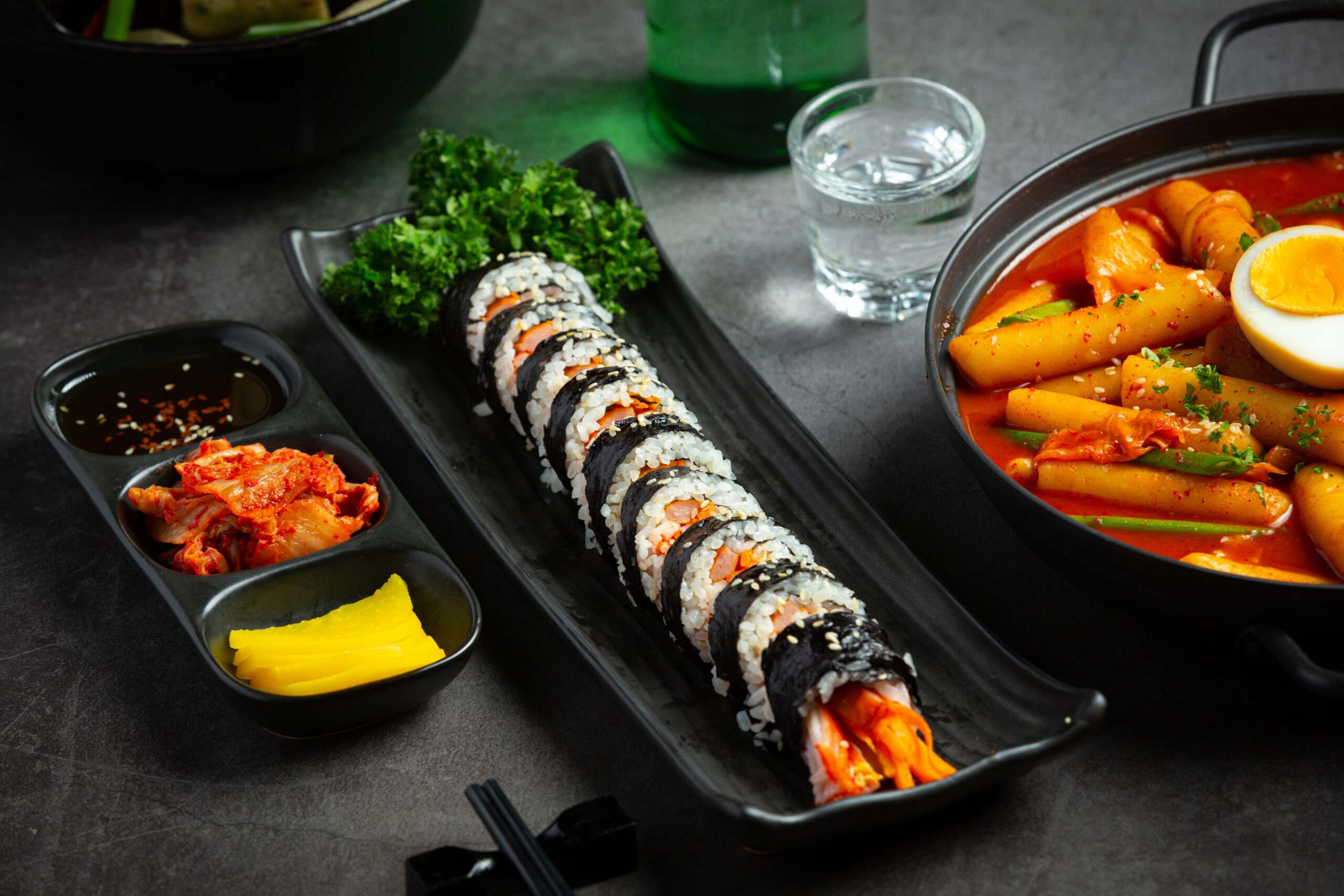
Various Korean food products attracted attention at the exhibition. Popular items included globally trending foods such as gimbap, tteokbokki, and instant noodles. Fresh agricultural products like berries and Shine Muscat grapes were also showcased.
Another notable product was hanwoo, a premium Korean beef known for its rich flavor and high quality. In 2025, a livestock cooperative from Gangwon Province successfully exported hanwoo to Dubai, marking the first export of Korean beef to the Middle East. This milestone reflects the growing global interest in Korean food products.
Beyond the Middle East, South Korea is also expanding its presence in Southeast Asia. Singapore recently approved the health and safety standards for Korean beef and pork, allowing them to be sold in the local market. The Korean government even held a promotional event in Singapore to introduce these products to consumers and industry representatives.
Improving the Halal Certification System
In addition to trade promotion, South Korea is also working to strengthen its halal certification system. The Ministry of Food and Drug Safety has started discussions with international authorities to gain official recognition for Korean certification bodies.
One important step involved a meeting between Korean officials and the Saudi Food and Drug Authority. During this meeting, both sides discussed certification standards, auditing procedures, and documentation requirements needed for halal certification.
The Korean government hopes that the Korea Agency of HACCP Accreditation and Service (KAHAS) can be recognized as an official halal certification body by Saudi Arabia. If this recognition is granted, Korean companies would be able to obtain halal certification domestically while still meeting the requirements of Saudi authorities.
Such recognition could significantly reduce the time and cost needed for exporters to enter Muslim markets. It could also open opportunities for broader acceptance of Korean halal certification in other Islamic countries.
Conclusion
South Korea’s efforts to expand halal certification recognition demonstrate how countries adapt to changing global food markets. By building partnerships with Muslim-majority countries, strengthening certification systems, and promoting Korean food internationally, the government aims to help domestic companies access the growing global halal industry.
As demand for halal products continues to increase worldwide, these initiatives may play an important role in expanding the global presence of Korean food while meeting the needs of Muslim consumers.
References
Kim, S. A. (2026, February 20). Government seeks halal certification recognition to support food exports. Korea.net. https://www.korea.net/NewsFocus/Business/view?articleId=287741
Ko, D. H. (2026, February 9). Korea seeks wider halal recognition to tap Muslim markets. The Korea Times. https://www.koreatimes.co.kr/business/companies/20260209/korea-seeks-wider-halal-recognition-to-tap-muslim-markets