Hong Kong’s Halal Tourism Transformation: Building an Inclusive Travel Destination
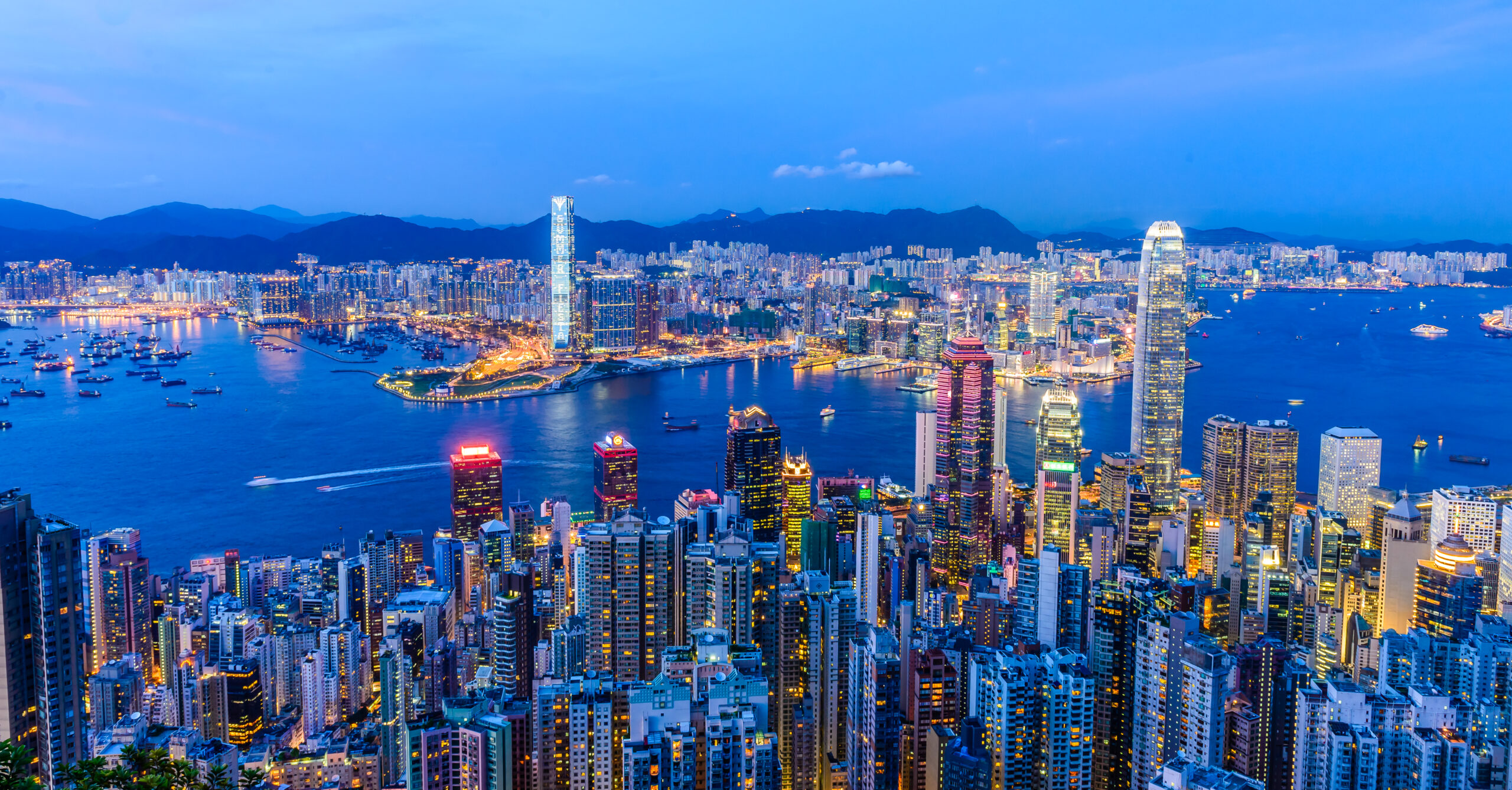
In recent years, Hong Kong has begun transforming its tourism industry to better accommodate Muslim travelers. Traditionally known as a global financial hub and a popular shopping destination, the city is now positioning itself as a Muslim-friendly travel destination in Asia.
This shift reflects a broader trend in global tourism: the rapid growth of Muslim travelers worldwide. As travel destinations compete to attract this market, Hong Kong has adopted policies and infrastructure that support halal food availability, prayer facilities, and culturally sensitive services. These efforts aim to make the city more inclusive for visitors of diverse religious backgrounds.
Growing Recognition in the Global Halal Tourism Industry
Hong Kong’s efforts to become a Muslim-friendly destination have gained international recognition. In the Global Muslim Travel Index (GMTI) 2025, the city ranked third among non-OIC destinations, highlighting its growing appeal among Muslim travelers. Additionally, it received the “Most Promising Muslim-Friendly Destination of the Year” award at the Halal in Travel Awards.
These achievements demonstrate that the city’s tourism policies are increasingly aligned with the needs of Muslim visitors. Industry observers view this recognition as evidence of Hong Kong’s commitment to improving accessibility, hospitality standards, and cultural inclusivity.
Expanding Muslim-Friendly Infrastructure
To support Muslim travelers, Hong Kong has introduced several infrastructure improvements. Prayer rooms have been established in key locations such as Hong Kong International Airport, major tourist attractions, and convention centers. These spaces typically include facilities such as ablution areas and Qibla indicators, making it easier for visitors to perform daily prayers during their travels.
Major attractions and entertainment venues have also begun incorporating prayer-friendly spaces into their facilities. By integrating these services into popular destinations, the city aims to ensure that Muslim tourists can enjoy travel experiences while maintaining their religious practices.
The Development of Halal Dining
Food availability is often one of the biggest concerns for Muslim travelers. To address this issue, Hong Kong has significantly expanded its halal dining options. Today, the city has nearly 200 halal-certified or Muslim-friendly restaurants, offering a variety of cuisines ranging from local Cantonese dishes to international menus.
This growth has been supported by government initiatives such as a Halal Certification Funding Scheme, which helps restaurants obtain halal certification. Through these programs, Hong Kong aims to increase both the quantity and diversity of halal dining options available to visitors.
Tourism Campaigns and Strategic Partnerships
In addition to improving infrastructure, Hong Kong has also launched marketing initiatives targeting Muslim travelers. One of the most notable campaigns is “Jelajah Hong Kong,” a collaboration between the Hong Kong Tourism Board and the travel platform Klook.
This initiative promotes Muslim-friendly travel experiences by offering curated itineraries, halal dining recommendations, and travel information designed for Muslim tourists. The campaign particularly targets travelers from Southeast Asia, including Indonesia, Malaysia, and Singapore.
These strategies respond to the rapid expansion of the Muslim travel market. In 2024, international Muslim travel reached 176 million arrivals globally, with projections of 245 million travelers by 2030 and spending estimated at 230 billion US dollars.
Preserving Islamic Heritage in the City
Beyond modern tourism infrastructure, Hong Kong also highlights its historical Muslim presence. One important landmark is the Kowloon Mosque and Islamic Centre, which serves as both a place of worship and a cultural symbol of the city’s long-standing Muslim community.
These sites allow visitors to explore not only Hong Kong’s modern attractions but also its multicultural heritage, adding a deeper cultural dimension to the travel experience.
Hong Kong’s growing commitment to halal tourism illustrates how cities can adapt to the evolving needs of global travelers. By expanding halal dining options, providing prayer facilities, and promoting Muslim-friendly travel campaigns, the city is redefining itself as an inclusive destination.
These efforts demonstrate that accommodating religious diversity in tourism is not only socially meaningful but also economically beneficial. As the Muslim travel market continues to grow, Hong Kong’s approach may serve as a model for other non-Muslim-majority destinations seeking to attract a wider range of international visitors.
References (APA)
Adnan, L. (2025). Hong Kong boosts Muslim friendly travel with new Klook partnership. The Halal Times.
Klook. (2025). Klook and Hong Kong Tourism Board launch first multi-market partnership to enhance the Muslim travel experience.
Travel and Tour World. (2026). The halal revolution: How Hong Kong is redefining inclusive travel in Asia.
Halal Weekly. (2024). Hong Kong pioneers inclusivity with Muslim-friendly tourism initiative.
TourExpI. (2025). Klook launches first multi-market partnership to enhance Muslim travel experience.