The Diversity of Indonesian “Lebaran” Dishes
Lebaran in Indonesia is not only about prayers and family gatherings, but also about food. Traditional dishes play a very important role in the celebration, bringing people together and reflecting the rich cultural diversity of the country.
A Wide Variety of Dishes Across Regions
Indonesia has hundreds of traditional Lebaran dishes. In fact, research shows that there are around 165 different dishes spread across many regions of the country.
These dishes are not the same in every area. Each region has its own specialties, influenced by local culture, history, and available ingredients. This diversity makes Indonesian Lebaran unique and colorful.
Iconic Lebaran Foods
Even though there are many different dishes, some foods are commonly found in almost every Indonesian home during Lebaran.
For example, ketupat (rice cake), opor ayam (chicken curry), and lontong are considered national Lebaran dishes.
These foods are usually served together during family meals and gatherings, especially after the Eid prayer. They have become symbols of togetherness and celebration.
Cultural Influences on Food
Indonesian Lebaran dishes are not only influenced by local traditions but also by foreign cultures. Many foods show influences from Indian, Chinese, Middle Eastern, and even European cuisines.
For example:
- Curry dishes are influenced by Indian cuisine
- Some cookies come from Dutch and European traditions
- Noodles and certain snacks are influenced by Chinese culture
This mix of influences reflects Indonesia’s long history of cultural exchange.
Sweet Treats and Snacks
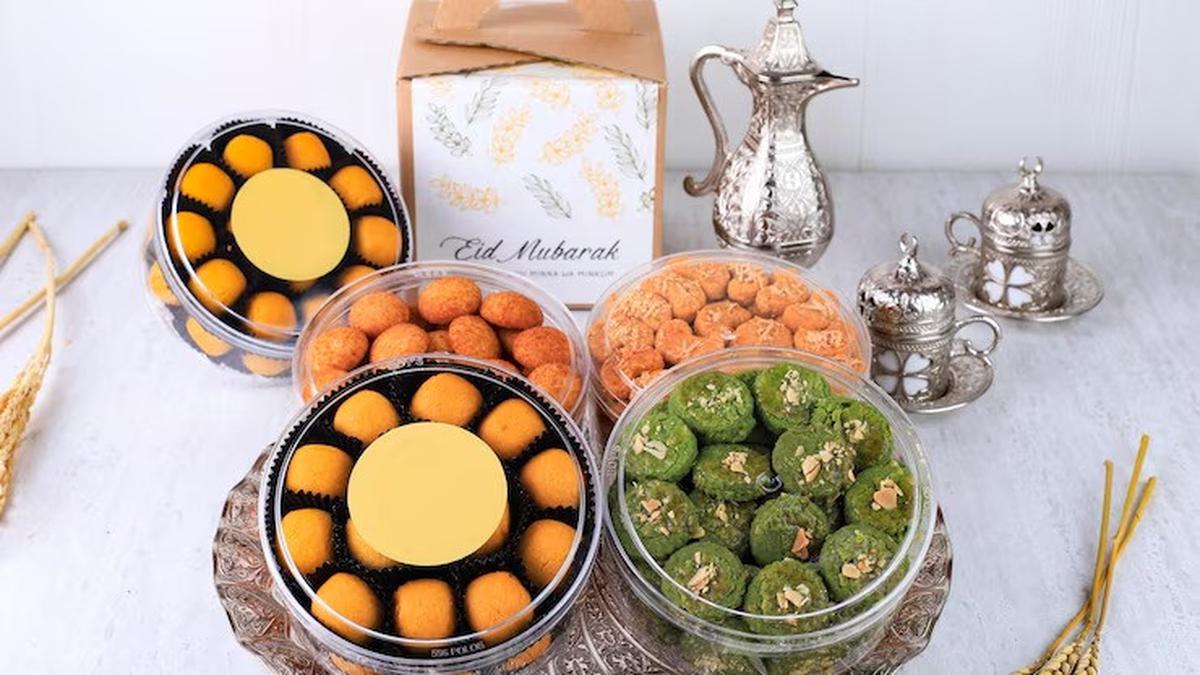
Lebaran is also famous for its snacks and cookies. Families usually prepare or buy various kinds of sweets to serve guests.
Popular examples include:
- Nastar (pineapple cookies)
- Kastengel (cheese cookies)
- Putri salju (powdered sugar cookies)
These snacks are always available in living rooms and are an important part of welcoming guests during Lebaran.
Nutritional Value of Lebaran Dishes
Lebaran dishes are not only delicious but also provide various nutrients. They contain carbohydrates, proteins, fats, and sometimes fiber.
Some traditional foods, such as fermented dishes like tape ketan, can even help improve digestion because they contain beneficial microbes.
Economic Impact of Lebaran Food
Lebaran food is also important for the economy. The food industry related to Lebaran has great business potential and contributes significantly to national income.
During the Lebaran season, many people start food businesses, catering services, or sell traditional dishes, creating economic opportunities across the country.
Conclusion
The diversity of Indonesian Lebaran dishes shows how food is deeply connected to culture, history, and community. From main dishes to sweet snacks, every food has its own story and meaning.
More than just something to eat, Lebaran food brings people together, strengthens relationships, and reflects the rich identity of Indonesia.
Reference:
Prastowo, I., Moro, H. K. E. P., Nurusman, A. A., Khoirunnisa, R. M., Dewi, C., Sari, W. W., & Yunita, I. S. (2024). Diversity of Indonesian Lebaran dishes: From history to recent business perspectives. Journal of Ethnic Foods, 11, 42. https://doi.org/10.1186/s42779-024-00257-z