The Concept of Halal and Thayyib in Islamic Perspective: Integrating Religious Compliance and Health in Food Consumption
Food consumption in Islam is not merely about fulfilling biological needs but also involves spiritual and ethical dimensions. Islam provides clear guidelines regarding what is permissible and what is prohibited to consume. One of the key principles in this regard is the concept of halalan thayyiban as stated in the Qur’an, Surah Al-Baqarah verse 168 (Ministry of Religious Affairs of Indonesia, 2019).
In practice, many people still understand halal only in terms of permissibility under Islamic law. However, Islam also emphasizes the concept of thayyib, which refers to food that is good, clean, safe, and beneficial for health (Al-Qaradawi, 1995). Therefore, it is essential to explore the relationship between halal and thayyib more comprehensively to avoid partial understanding.
1. Definition of Halal and Thayyib
Halal, in Islamic terminology, refers to anything that is permissible according to Islamic law. In the context of food, halal includes not only the ingredients but also the processing and distribution that comply with Islamic principles (Al-Qaradawi, 1995).
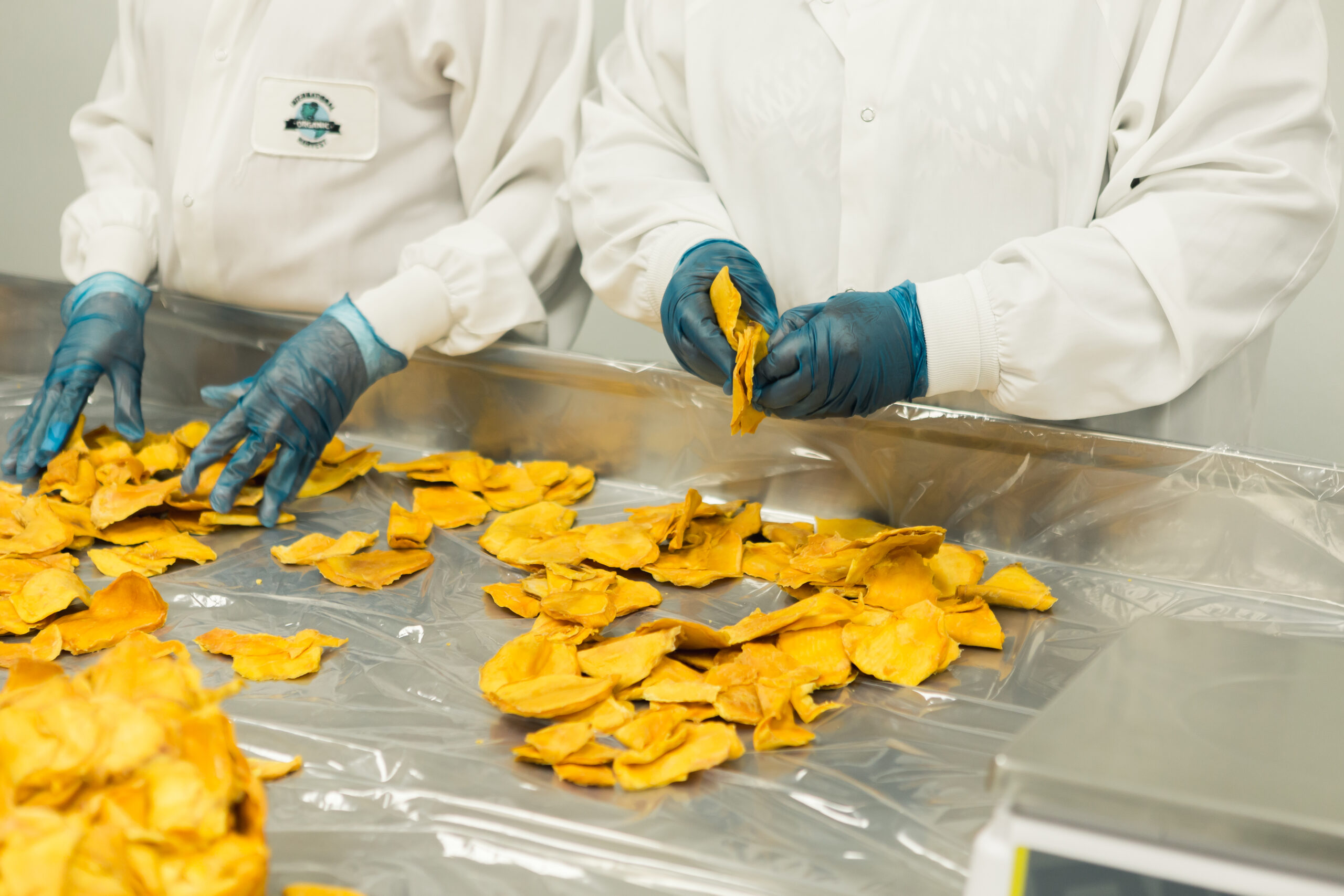
On the other hand, thayyib has a broader meaning, referring to what is good, clean, safe, and healthy. Food that is considered thayyib must meet hygiene standards, be free from harmful substances, and possess adequate nutritional value (Rahman, 1982). Thus, thayyib is closely related to food quality and safety.
2. Integration of Halal and Thayyib in the Qur’an
The Qur’an explicitly commands people to consume food that is halalan thayyiban (Ministry of Religious Affairs of Indonesia, 2019). This indicates that legality alone is not sufficient without ensuring quality and goodness. This command is universal, addressed to all humankind, not only Muslims.
This concept reflects the comprehensiveness of Islamic teachings, which regulate not only acts of worship but also aspects of human health and well-being.
3. Health Safety in the Halal-Thayyib Perspective
Food that is halal is not always thayyib. For example, halal food that is unhygienic or contaminated can be harmful to health. In addition, excessive consumption of certain foods may also lead to negative health effects (World Health Organization, 2020).
Therefore, the concept of thayyib serves as a complement to ensure that food is not only legally permissible but also safe and beneficial for the body.
4. Impact on Physical and Mental Health
The application of halal and thayyib principles has significant implications for health. Physically, consuming clean and nutritious food helps improve immunity and prevent diseases (World Health Organization, 2020).
From a mental and spiritual perspective, consuming good and lawful food is believed to contribute to peace of mind and clarity of thought (Rahman, 1982). This demonstrates that dietary habits influence overall quality of life.
5. Halal and Thayyib as Universal Principles
The concept of halal and thayyib is not limited to Muslims but can be applied universally. In modern contexts, these principles align with global food safety standards, including hygiene, quality control, and environmental sustainability (World Health Organization, 2020).
Thus, halal and thayyib should not be seen merely as labels but as a comprehensive value system promoting healthy and responsible living.
Conclusion
The concept of halalan thayyiban represents an integrated principle in Islam that combines religious compliance with quality consumption. Halal ensures the legal permissibility of food, while thayyib guarantees its safety, cleanliness, and nutritional value.
Both aspects must be applied together to achieve the primary objective of consumption in Islam, which is to maintain health and balance in life. Therefore, practicing this concept is part of the human responsibility to preserve physical well-being and overall life quality.
References
Al-Qaradawi, Y. (1995). The Lawful and the Prohibited in Islam. Cairo: Al-Falah Foundation.
Ministry of Religious Affairs of the Republic of Indonesia. (2019). The Qur’an and Its Translation. Jakarta: Kemenag RI.
Rahman, F. (1982). Health and Medicine in the Islamic Tradition. New York: Crossroad.
World Health Organization. (2020). Food Safety Guidelines. Geneva: WHO.