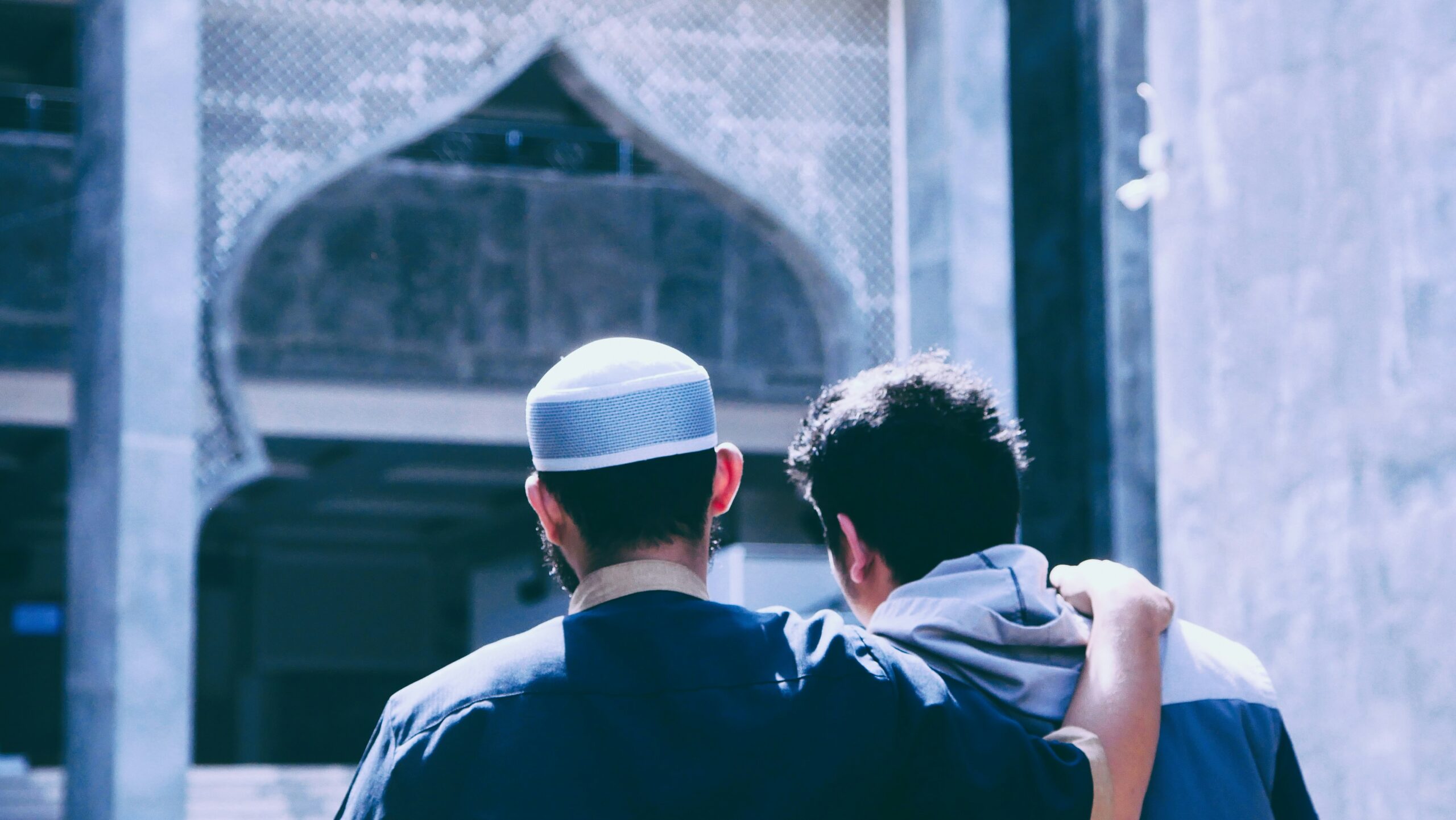
Well Groomed and Well Dressed: Inside Indonesia’s Booming Shift Toward Halal Fashion and Beauty for Men
JAKARTA (08/14/2025)
Indonesia’s halal industry has never moved as fast as it does in beauty and wellness. New product launches, new ingredient technologies, and new certification standards seem to arrive on a near-weekly basis. For most of this sector’s history, that momentum has been driven almost entirely by one consumer group: Muslim women. The rise of Wardah in the 1990s, followed by a wave of hijab and modest-wear labels, made femininity the default face of halal beauty and fashion, visible in the sheer volume of skincare, cosmetic, and clothing brands built specifically around her needs.
In the past several years, however, that pattern has started to shift. A growing number of brands are now built specifically for Muslim men, spanning skincare, grooming, and modest fashion, and the segment behind them is no longer a niche. Indonesia’s men’s grooming products market alone is projected to grow from roughly USD 853.7 million in 2026 to USD 1.3 billion by 2031, an 8.8% compound annual growth rate that industry analysts attribute to a genuine behavioural shift rather than a passing trend. This phenomenon was caused by the fact that male consumers are placing more weight on hygiene, appearance, and self-presentation than before.
Framed through an Islamic lens, this shift is not a departure from religious values but arguably closer to them. Cleanliness and self-care in Islam are not gendered instructions reserved for women; they are addressed to believers as a whole. Al-Qur’an surah Al-A’raf (7:31) instructs believers to “wear your beautiful apparel at every time and place of prayer”. This a command directed at every Muslim, not only at Muslim women.
So why has it taken this long for the market to catch up with the instruction? The answer lies in a combination of demographic, cultural, and industry-level factors that are worth unpacking one by one.
What’s Driving the Shift
Several forces have converged to accelerate Muslim men’s engagement with grooming and modest fashion in Indonesia.
- Shifting definitions of masculinity: Academic research on this trend notes that Indonesian masculinity has traditionally been coded around toughness and indifference to appearance, but younger generations increasingly frame self-care as compatible with, rather than opposed to a masculine identity. A 2025 study on brand-driven masculinity imagery observed that grooming among Indonesian Muslim men is increasingly legitimized through functional reasoning: skincare is treated as an investment in professional image and competitiveness rather than vanity, allowing men to adopt a self-care routine without feeling that it compromises their masculinity.
- Post-pandemic health and hygiene awareness: The heightened attention to skin health and personal hygiene that followed the COVID-19 pandemic did not fade once the crisis passed; it carried over into everyday grooming habits, particularly among urban male consumers.
- Digital exposure and social media: Platforms such as Instagram, TikTok, and YouTube have normalized male grooming content, from skincare routines to outfit styling, exposing Indonesian men to global grooming norms and reshaping what is considered “normal” self-presentation.
- Urban professional pressure. Competitive, image-conscious work environments have made personal presentation feel less optional. Appearance has come to function as a form of “professional capital,” where being well-groomed is read as a sign of discipline and reliability.
- Religious lifestyle movements (hijrah). Indonesia’s broader hijrah movement, (Islamic lifestyle) has extended beyond spirituality into daily consumption habits, including modest fashion and halal personal care as an expression of religious identity.
- Untapped market gap. For decades, men’s personal care in Indonesia was dominated by conventional, often imported brands like Nivea Men and Garnier Men, with few or no halal-certified local alternatives. Companies recognized this white space and moved to fill it.
The Brands Leading the Charge
1. Skincare and Wellness: A Category Built From Scratch
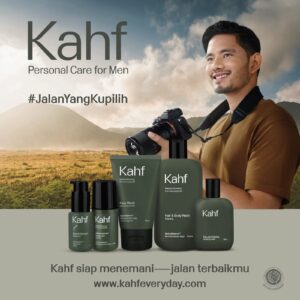
The clearest signal of this shift is Kahf, launched in October 2020 by PT Paragon Technology and Innovation. This is the same company behind Wardah, Indonesia’s first local halal cosmetics brand. Kahf is widely credited as Indonesia’s first halal personal care and grooming line built specifically for men, covering face wash, skincare, sunscreen, perfume, hair, and body products, all formulated around a “HydroBalance” technology designed to maintain the skin’s natural moisture. The name itself is drawn from Surah Al-Kahf, chosen to evoke resilience and spiritual grounding rather than a generic beauty vocabulary.
Paragon’s leadership has described the brand’s premise plainly: Indonesian men wanted a personal-care brand that could represent who they are, in a market segment that was growing far faster than expected. Since its launch, Kahf has expanded from a handful of cleansing products into a full grooming ecosystem, including beard oil and beard serum, categories rarely addressed by earlier local brands. Kahf also built a strategic partnerships with Muslim lifestyle communities such as motorcycle dakwah groups and religious study circles rather than conventional celebrity endorsement alone.
2. Fashion: Dressing for Prayer, Work, and Everything In Between
Parallel to the grooming shift, a distinct category of Muslim men’s fashion brands, as opposed to general modest-wear labels that happen to include men’s lines, has emerged over the past decade.
Samase (est. 2012, Bandung) positions itself as a pioneer of “Modern Men’s Daily Muslim Wear” and “Muslim Fast Fashion” in Indonesia. It targets working-age and young adult men who want koko shirts, kurta, sirwal, and ankle pants that can transition between prayer, casual, and semi-formal settings rather than being confined to religious occasions. The brand produces roughly 350 new designs a year and has expanded into international markets including the United States, Singapore, Malaysia, and Saudi Arabia, reflecting a production model closer to fast fashion than traditional modest-wear manufacturing.
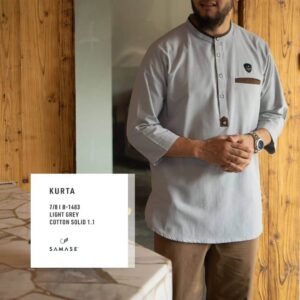
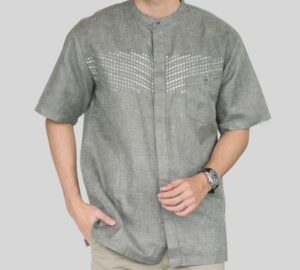
Makhtab (est. late 2019 / 2020, Jakarta) occupies a more premium, professional-oriented niche. It was founded after its co-founders struggled to find syar’i menswear that was also suitable for formal office settings. For example they made such a clothing with a longer back hem that maintains coverage during prayer movements such as ruku’ and sujud, but tailored enough for daily corporate wear. Its target segment is working professional men, particularly in the urban middle class, and its product range spans jubah, kurta, shirts, koko shirts, polo shirts, and ankle pants. Makhtab has since opened physical stores in Jakarta, Aceh, and other cities and appeared at national platforms including Indonesia Fashion Week, positioning itself around aspiration to eventually compete with international menswear brands.
What Lies Ahead: Opportunity in an Unfinished Market
Several structural factors suggest this category still has room to grow rather than having peaked. Indonesia’s halal cosmetics regulation under Law No. 33 requires halal certification for all cosmetics sold domestically by October 17, 2026. This is a deadline that, as of the most recent industry estimates, roughly 81% of registered cosmetics products in the country had yet to meet. This regulatory pressure is likely to favor domestic brands with established halal certification systems, including men’s grooming lines, over uncertified importers still adapting their formulas. At the same time, market analysts point to underdeveloped sub-categories (such as accessible scalp diagnostics and halal scalp treatments for men) as areas where local direct-to-consumer brands could expand using social commerce channels like TikTok and Shopee Live rather than costly traditional retail networks. On the fashion side, brands that blend syar’i design requirements with everyday wearability including daily office wear, casual streetwear, or hobby-specific apparel. This strategy works better than labels that treat modest menswear as a seasonal Eid-only category. Taken together, these signals point toward a segment that is still being defined rather than one that has settled into its final shape, leaving meaningful space for new entrants who can combine halal compliance, design relevance, and genuine cultural understanding of what “presentable” means to a Muslim man in Indonesia today.
Closing Thoughts
What began as a gap in the market with a lack of halal-certified, purpose-built grooming and fashion options for Muslim men has grown into a recognizable industry segment with its own brands, its own retail moments, and its own community culture. It is, in many ways, a market catching up to a principle that was never exclusive to begin with: that cleanliness, presentability, and self-respect in appearance are instructions Islam addresses to men and women alike. Whether this segment continues to scale at its current pace will depend on how well brands translate that principle into products men actually want to use every day, not only during Ramadan or Eid and how well regulation, retail, and digital commerce infrastructure keep pace with a market that, on current trajectory, is only getting bigger.
Written by: Alhayya Maritza
References
Analisis Konstruksi Citra Maskulinitas pada Merek [Kahf dan MS Glow for Men]. (2025). Jurnal Humaniora, 07(03), 631–655. Universitas Prof. Dr. Moestopo (Beragama).
Kampanye Sosial: Refined, Not Redefined — Metroseksualitas dan Maskulinitas Pria Indonesia. (2025). Jurnal Penelitian Nusantara, 1(7), 300–309.
Mordor Intelligence. (2026). Halal Cosmetic Products Market Size, Growth, Share & Trends Report 2031. Retrieved from mordorintelligence.com.
Mordor Intelligence. (2026). Indonesia Hair Care Market Size, Share & 2031 Growth Trends Report. Retrieved from mordorintelligence.com.
Siagian, A. P., & Nurhanifah, N. (2025). Kahf’s Public Relations Strategy to Build Halal and Masculine Skincare Image: Strategi Public Relations Kahf Membangun Citra Skincare Halal dan Maskulin. Indonesian Journal of Innovation Studies, 26(3)
StrategyHelix Market Research. (2026). Indonesia Men’s Grooming Products Market 2026–2031. Retrieved from strategyh.com.
Kahf. (2026). In Wikipedia Bahasa Indonesia. Retrieved from id.wikipedia.org/wiki/Kahf.
Makhtab.ID. (2026). Our Story. Retrieved from makhtab.id/pages/our-story.
Samase Official. (2026). Retrieved from samase-centro.com.