The $230 Billion Revolution: Mastercard Study Reveals How Halal Tourism is Reshaping Global Travel
A Market on the Move: The Explosive Growth of Muslim-Friendly Tourism
The global travel industry is witnessing a profound transformation, driven by one of its fastest-growing segments: Muslim travelers. What began as a niche market has evolved into a $230 billion economic powerhouse that’s reshaping how destinations worldwide approach tourism infrastructure, services, and cultural inclusivity.
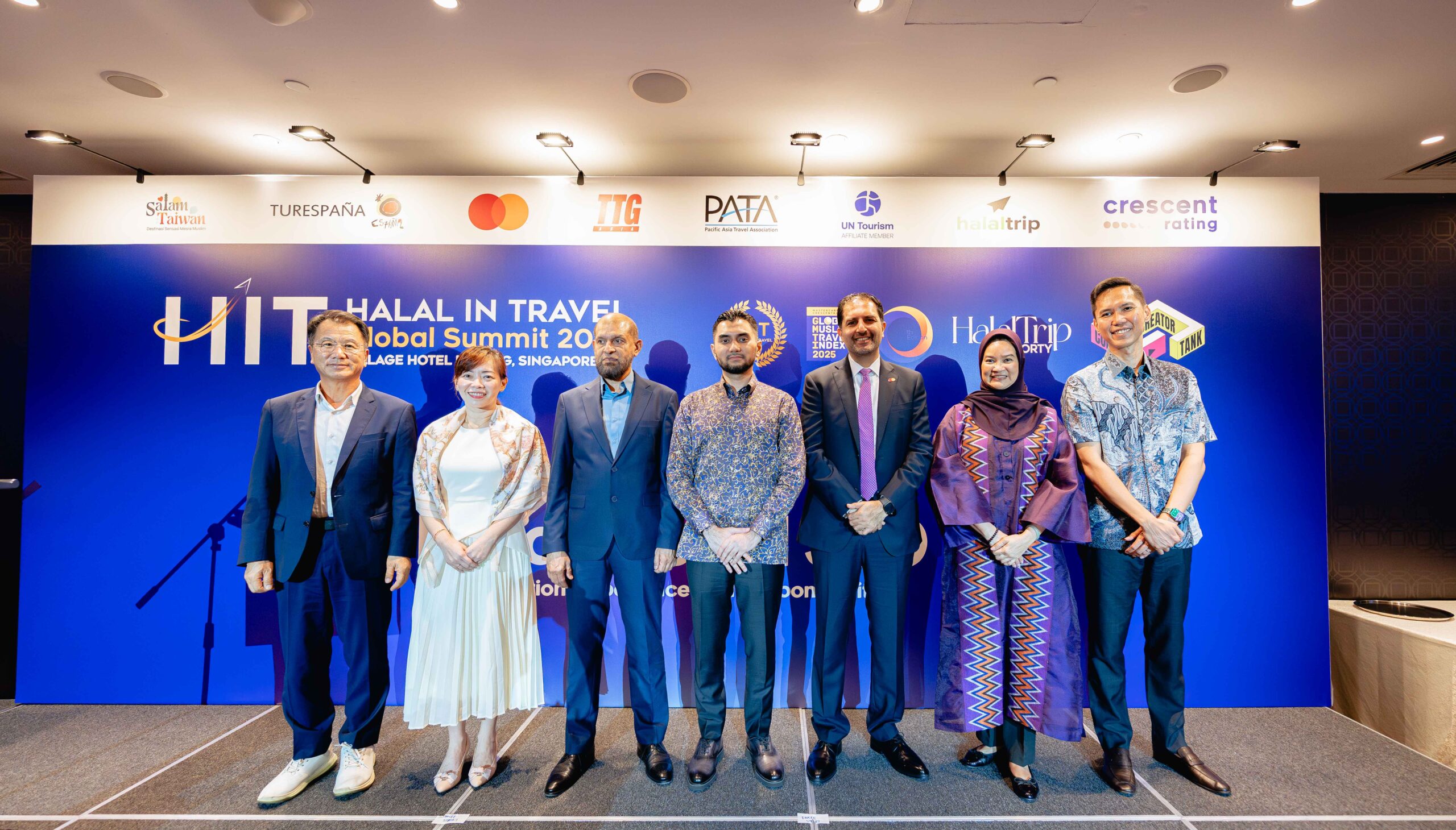
The newly released 2025 Mastercard-CrescentRating Global Muslim Travel Index paints a picture of remarkable momentum. International Muslim arrivals surged to 176 million in 2024—a substantial 25% increase from the previous year—with projections pointing toward 245 million travelers by 2030. This isn’t just growth; it’s a revolution that’s forcing the entire tourism ecosystem to rethink its approach to hospitality and cultural sensitivity.
Beyond Numbers: Understanding the Modern Muslim Traveler
Today’s Muslim travelers represent a diverse, sophisticated demographic that defies simple categorization. They’re tech-savvy digital natives seeking authentic experiences, solo adventurers craving independence, and families prioritizing safety and inclusivity. This complexity is driving five transformative trends that are reshaping the travel landscape:
1. The Digital Revolution in Faith-Based Travel
Muslim travelers are increasingly turning to smart applications that seamlessly integrate religious requirements with travel planning. These digital tools don’t just locate nearby mosques or Halal restaurants—they create comprehensive travel ecosystems that offer prayer time notifications, Qibla directions, and curated experiences that align with Islamic values. The integration of technology with faith-based travel needs represents a sophisticated evolution from basic accommodation to personalized spiritual journeys.
2. The Rise of the Empowered Female Muslim Traveler
Perhaps no trend is more significant than the emergence of female Muslim travelers as a driving force in the industry. These women are demanding safer, more inclusive environments and thoughtfully designed spaces that respect their cultural values while enabling meaningful travel experiences. Their influence extends beyond personal travel choices—they’re shaping family decisions and community preferences, making their satisfaction crucial for destinations seeking long-term success in this market.
3. Infrastructure Innovation: Beyond Basic Accommodation
The modern Muslim-friendly destination goes far beyond simply providing Halal food options. Today’s leading destinations are creating comprehensive ecosystems that include alcohol-free environments, dedicated prayer facilities, gender-segregated recreational areas, and culturally sensitive spa services. This infrastructure development represents a fundamental shift from afterthought accommodations to integral design principles.
4. The Solo Travel Renaissance
Younger Muslim travelers are embracing solo adventures with unprecedented enthusiasm. This demographic shift challenges traditional assumptions about Muslim travel patterns and creates new opportunities for destinations to develop personalized, flexible experiences. Solo Muslim travelers often seek authentic cultural exchanges, educational opportunities, and adventure tourism—segments that require specialized services and marketing approaches.
5. Spiritual Wellness Tourism: The Digital Detox Movement
In an increasingly connected world, many Muslim travelers are seeking digital detox retreats that align with Islamic principles of mindfulness, balance, and spiritual reflection. This trend toward nature-based, technology-free experiences represents a sophisticated evolution of wellness tourism, incorporating Islamic values of contemplation and connection with creation.
Global Champions: Destinations Leading the Halal Tourism Revolution
1. OIC Destinations: Setting the Gold Standard
Malaysia continues to dominate the Organization of Islamic Cooperation (OIC) rankings, demonstrating that consistent investment in Muslim-friendly infrastructure pays dividends. The country’s success stems from its comprehensive approach—from government policy support to private sector innovation—creating a template that other destinations are eager to replicate.
The shared second-place ranking among Turkey, Saudi Arabia, and the UAE illustrates different paths to success. Turkey leverages its unique position bridging Europe and Asia, combining rich Islamic heritage with modern amenities. Saudi Arabia’s ranking reflects its massive investments in tourism infrastructure as part of Vision 2030, transforming from a primarily pilgrimage destination to a comprehensive tourism hub. The UAE continues to innovate with luxury Muslim-friendly services while maintaining its position as a global business and leisure destination.
Indonesia’s strong performance underscores the importance of authentic cultural experiences. As the world’s largest Muslim-majority nation, Indonesia offers unparalleled cultural immersion opportunities while developing sophisticated tourism infrastructure.
2. Non-OIC Success Stories: Innovation Through Inclusion
Singapore’s continued leadership among non-OIC destinations demonstrates the power of intentional inclusivity. The city-state’s approach combines government policy support with private sector innovation, creating a comprehensive Muslim-friendly ecosystem that serves as a model for other diverse societies.
Hong Kong’s remarkable ascent to third place—with the biggest score improvement among non-OIC destinations—showcases what’s possible when destinations commit seriously to Muslim-friendly tourism. With 61 CrescentRating-accredited hotels and 153 Halal-certified restaurants, Hong Kong has created substantial infrastructure in a relatively short time.
Thailand and the Philippines’ emergence as rising destinations in Southeast Asia reflects a regional trend toward embracing Muslim-friendly tourism. Thailand’s warm hospitality culture translates naturally to Muslim traveler accommodation, while the Philippines is leveraging its significant Muslim population to develop authentic experiences.
Taiwan’s consistent positioning demonstrates the importance of systematic approach and community partnerships. With over 230 Halal-certified establishments, many featuring separate kitchens to meet dietary requirements, Taiwan shows how attention to detail creates competitive advantage.
Economic Impact: Beyond Tourism Revenue
The economic implications of halal tourism extend far beyond direct travel spending. This market segment drives:
- Infrastructure Development: Destinations are investing in prayer facilities, Halal-certified kitchens, and culturally sensitive recreational facilities, creating jobs and stimulating construction sectors.
- Certification Industries: The growth in Halal certification services is creating new professional services sectors and quality assurance systems that benefit broader food and hospitality industries.
- Cultural Exchange Programs: Muslim-friendly tourism often emphasizes authentic cultural experiences, supporting local artisans, cultural practitioners, and community-based tourism initiatives.
- Technology Innovation: The demand for faith-integrated travel technology is spurring innovation in mobile applications, location services, and personalized travel platforms.
Strategic Implications for the Tourism Industry
1. Government Policy Integration
Successful Muslim-friendly destinations integrate halal tourism considerations into broader tourism policy frameworks. This integration ensures sustainable development rather than superficial accommodation, creating long-term competitive advantages.
2. Private Sector Adaptation
Hotels, restaurants, and tour operators are recognizing that Muslim-friendly services often represent higher quality standards that benefit all travelers. Halal certification requirements frequently exceed standard food safety protocols, while culturally sensitive service training improves overall hospitality quality.
3. Marketing Evolution
Traditional tourism marketing approaches are evolving to emphasize values-based messaging, authentic experiences, and cultural sensitivity. This shift requires deeper understanding of Muslim traveler motivations and more sophisticated segmentation strategies.
Challenges and Opportunities Ahead
1. Cultural Authenticity vs Commercialization
As destinations rush to capture Muslim traveler markets, maintaining authentic cultural experiences while developing commercial viability presents ongoing challenges. Success requires genuine commitment to understanding and respecting Islamic values rather than superficial accommodation.
2. Infrastructure Investment Requirements
Developing comprehensive Muslim-friendly infrastructure requires significant upfront investment and ongoing maintenance. Destinations must balance these costs against projected returns while ensuring sustainable development practices.
3. Staff Training and Cultural Competency
Creating genuinely Muslim-friendly experiences requires extensive staff training and cultural competency development. This human capital investment is often underestimated but crucial for long-term success.
4. Regulatory Framework Development
Many destinations lack comprehensive regulatory frameworks for Halal certification and Muslim-friendly services. Developing these frameworks requires collaboration between government agencies, religious authorities, and industry stakeholders.
Future Outlook: A Market Transformed
The halal tourism market’s trajectory suggests continued rapid growth and increasing sophistication. Several factors will likely shape its evolution:
- Technology Integration: Advanced mobile applications, artificial intelligence, and personalized recommendation systems will create increasingly seamless travel experiences for Muslim travelers.
- Sustainability Focus: Growing environmental consciousness among Muslim travelers will drive demand for eco-friendly, sustainable tourism options that align with Islamic environmental values.
- Experience Diversification: The market will likely see continued diversification into adventure tourism, wellness retreats, educational travel, and luxury experiences, moving beyond traditional religious or cultural tourism.
- Regional Development: Emerging destinations in Africa, Central Asia, and other regions with significant Muslim populations will likely develop comprehensive Muslim-friendly tourism strategies, creating new competitive dynamics.
Conclusion: A New Era of Inclusive Tourism
The 2025 Global Muslim Travel Index reveals more than market statistics—it documents a fundamental transformation in global tourism toward greater inclusivity, cultural sensitivity, and values-based travel experiences. As Fazal Bahardeen of CrescentRating noted, this represents
“a travel ecosystem rooted in understanding, inclusivity, and excellence, ensuring travel continues to bridge cultures and celebrate diversity.”
For destinations and industry stakeholders, the message is clear: Muslim-friendly tourism isn’t a niche market to be served peripherally—it’s a major economic force requiring serious strategic consideration. Those who embrace this reality with genuine commitment and comprehensive planning will find themselves at the forefront of tourism’s next chapter.
The $230 billion question isn’t whether halal tourism will continue growing—it’s whether destinations will position themselves to capitalize on this transformation or watch opportunities pass to more prepared competitors. In an increasingly connected world seeking authentic, respectful travel experiences, Muslim-friendly tourism may well represent the future of hospitality itself.
Original Article:
Mastercard. (2025, June 23). Mastercard-CrescentRating Global Muslim Travel Index reveals trends shaping the future of halal travel [Press release]. https://www.mastercard.com/news/ap/en/newsroom/press-releases/en/2025/mastercard-crescentrating-global-muslim-travel-index-reveals-trends-shaping-the-future-of-halal-travel/