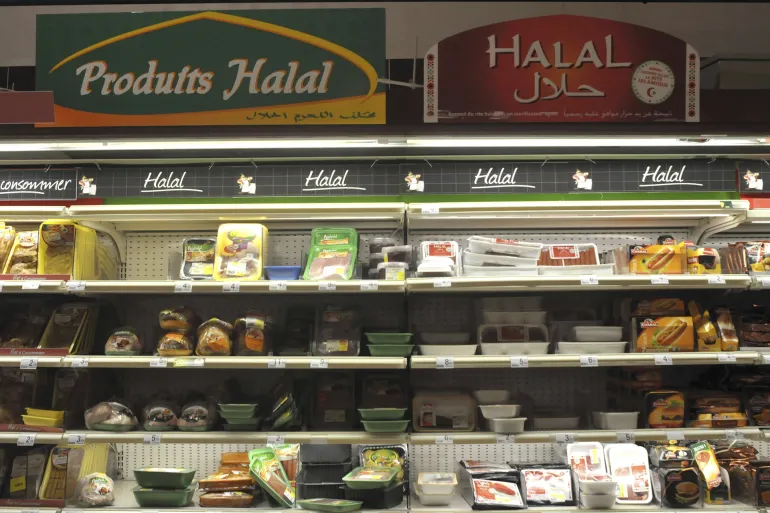
How the Global Halal Food Market Thrives and Attracts Non-Muslims
The halal food industry has experienced explosive growth in recent years, making it one of the fastest-expanding food sectors worldwide. The term “halal” refers to foods that comply with Islamic law, encompassing diverse products including meat, poultry, and foods containing oils and flavorings that are essential for Muslim consumers, especially during Ramadan.
Market Size and Projections
According to reports from IMARC Group and Research and Markets, the global halal food market was valued at approximately $2.71 trillion USD in 2024. It’s projected to reach $5.91 trillion by 2033, with a compound annual growth rate of 8.92% from 2025 to 2033. This makes the halal market a strong competitor to other emerging sectors like organic and sustainable foods, which are also experiencing increasing demand.
The Asia-Pacific region leads this growth, capturing 48.5% of the market in 2024, thanks to high Muslim population density and rising demand for certified food products. Meanwhile, European and American markets are witnessing significant demand increases, driven by non-Muslims’ interest in the health and quality standards offered by halal products.
Key Growth Drivers
Several factors contribute to the global expansion of the halal food market:
-
Rapid Growth of Muslim Population
The increasing number of Muslims worldwide serves as a primary market driver. According to Statista, the global Muslim population is expected to reach 2.76 billion by 2050. This demographic shift leads to higher demand for halal products in both Muslim-majority countries and those with significant Muslim minorities.
Major retail chains have begun dedicating sections to halal foods, while global restaurants now offer halal options, enhancing their spread even beyond traditional Islamic markets.
-
Rising Ethical Consumer Awareness
Consumer awareness about food production standards has increased among both Muslims and non-Muslims, driving them toward healthier and more ethical choices. Halal products are preferred for their association with strict quality controls and ethical sourcing, boosting their global adoption.
-
Globalization and Cultural Diversity
Cultural openness and globalization have facilitated the availability of halal products, as global markets have adapted to accommodate diverse consumer preferences. Major stores and restaurants now offer halal options, making them accessible to everyone regardless of religious background.
-
Strict Halal Industry Regulation
The establishment of unified standards for halal certifications has enhanced consumer confidence and facilitated cross-border trade. These certifications ensure products are free from prohibited ingredients like pork and alcohol, making them attractive not only to Muslims but also to those concerned about food quality and ethical origins.
-
Growing Health and Food Safety Concerns
Consumers have become more interested in healthy and clean food, strengthening the position of halal foods, which are known for their high standards of cleanliness and quality. This trend has led many non-Muslims to choose halal products as a safer and healthier option.
Why Non-Muslims Choose Halal Food?
Halal food consumption isn’t limited to Muslims alone. Non-Muslim interest is growing, especially in Europe and North America, where they’re attracted by cleanliness and quality standards. According to the Canadian Halal Monitoring Authority, halal restaurants have become preferred destinations for those seeking safe, high-quality food.
Many non-Islamic tourist destinations have adopted halal food culture as part of their tourism offerings, making them attractive to both Muslims and non-Muslims alike.
Key Factors Driving Non-Muslim Interest
According to Kerry Global, a nutrition science organization, several factors drive non-Muslim interest in halal foods:
- Spread of Islamic Values Beyond the Islamic World: Many Islamic food-related values, such as halal slaughter and cleanliness standards, have gained global attention. According to the State of the Global Islamic Economy Report, many non-Muslim consumers are turning to halal products due to their association with quality production and ethical manufacturing.
- Rise of the “Ethical Consumer”: Consumers have become more aware of food production ethics, leading them to prefer products that consider animal welfare and food safety. This has increased demand for halal foods that adhere to humane slaughter standards and are free from harmful artificial additives.
- Growing Demand for Healthy and Safe Food: Due to strict standards required for halal certification, halal cuisine has evolved from being a religious choice to a food guarantee for cleanliness and quality. Various studies indicate that non-Muslim consumers view halal foods as safer and more trustworthy.
Industry Challenges
Despite rapid growth, the halal industry faces challenges affecting its efficiency and spread:
-
Multiple Halal Certification Bodies
Halal product certification standards vary between countries, leading to non-standardized criteria and complicating international trade. Companies must obtain multiple certificates to ensure their products access different markets.
-
Lack of Unified Regulatory Framework
The absence of unified regulations between producing and consuming countries hinders international trade and creates challenges for companies seeking to comply with varying requirements in global markets.
-
Weak Digital Product Tracking Systems
Some markets lack advanced digital technologies that enable tracking halal products through supply chains, making it difficult to verify product compliance with Islamic standards.
-
Market Fraud Issues
The industry suffers from fraudulent practices including forging halal certificates or presenting non-compliant products as halal, threatening consumer confidence and damaging legitimate producers’ reputations.
-
Increasing Competition
Growing interest in halal foods has intensified competition between companies, pushing producers to seek new ways to differentiate themselves through innovation or quality enhancement to maintain market share.
Top 10 Global Halal Food Companies
According to Halal Times platform, these companies lead the global halal food market:
1. QL Foods – Malaysia
Specializes in ready-to-eat foods and seafood products, with a broad customer base in Southeast Asia.
2. Al Islami Foods – United Arab Emirates
Known for strict quality controls, offering a diverse range of frozen meats and ready meals.
3. BRF SA – Brazil
One of the world’s largest food companies, strengthening its halal market presence through its “Sadia” brand.
4. Nestlé – Switzerland
Successfully expanded in Islamic markets through its specialized halal products division.
5. Midamar – United States
The first American company to export certified halal meat, offering a diverse range of meat and poultry.
6. Almarai – Saudi Arabia
A leader in halal dairy products, offering various varieties across Gulf countries.
7. Tahira Foods – United Kingdom
One of Europe’s prominent halal meat and poultry suppliers, focusing on quality.
8. Prima Agri-Products – Malaysia
Known for sustainability and innovation, offering options including meat and plant-based products.
9. Ramly Food Processing – Malaysia
Famous for “halal burgers” and frozen meals, a prominent brand in Southeast Asia.
10. Crescent Foods – United States
Specializes in organic halal chicken, adhering to strict nutritional and health standards.
Future Outlook
The halal food market’s trajectory suggests continued robust growth, driven by demographic changes, increasing health consciousness, and growing acceptance across diverse consumer segments. As the industry addresses current challenges through standardization and technological advancement, it’s positioned to become an even more significant force in the global food landscape.
The convergence of religious requirements, health consciousness, and ethical consumption patterns has created a unique market opportunity that extends far beyond traditional Muslim communities, making halal food a truly global phenomenon.
Original Article:
Al Jazeera. (2025, June 25). كيف يزدهر سوق الطعام الحلال عالميًا؟ [How is the global halal food market thriving?]. https://www.aljazeera.net/ebusiness/2025/3/8/كيف-يزدهر-سوق-الطعام-الحلال-عالميا