Maldives Makes Bold Move: Entire Islands Dedicated to Halal Tourism
How a tropical paradise is reimagining luxury travel for the world’s 2 billion Muslims?
A Game-Changing Announcement That’s Turning Heads
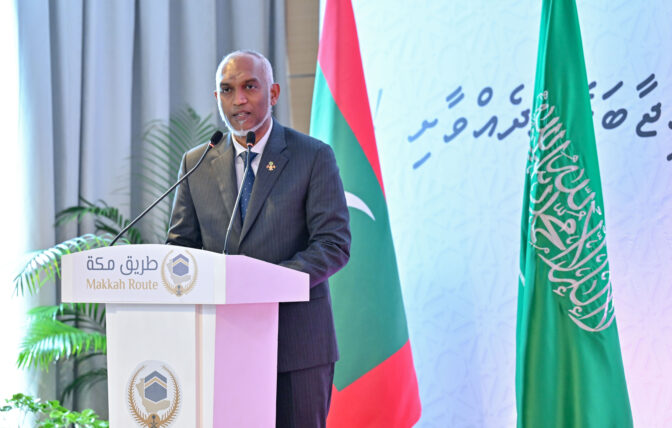
Picture this! pristine white sand beaches, crystal-clear turquoise waters, and overwater bungalows—but with a twist that could revolutionize how 176 million Muslim travelers experience paradise. President Dr. Mohamed Muizzu of the Maldives has just announced something unprecedented! entire islands will be exclusively allocated for halal tourism development.
This isn’t just another tourism initiative. It’s a strategic masterstroke that could transform the Maldives from a luxury destination into the world’s premier halal tourism hub.
Why This Matters?
The global halal travel market isn’t small—it’s massive and growing fast:
- $225 billion industry in 2024 alone
- 176 million Muslim travelers actively seeking halal-friendly destinations
- Growing 15% annually—outpacing traditional tourism segments
- Projected to reach $370 billion by 2030
For perspective, that’s larger than the entire GDP of most countries. The Maldives, with its strategic location and tourism expertise, is positioning itself to capture a significant slice of this enormous pie.
What Makes Halal Tourism Different?
Before diving deeper, let’s understand what halal tourism actually means. It’s far more sophisticated than many people realize:
Beyond Dietary Requirements
While halal food is fundamental, modern Muslim travelers seek:
- Prayer facilities in rooms and common areas
- Alcohol-free environments (including bars and minibars)
- Modest dress codes respected in common areas
- Family-friendly activities that align with Islamic values
- Separate recreational facilities for men and women when needed
Luxury Without Compromise
Today’s Muslim travelers aren’t looking for budget accommodations—they want premium experiences that respect their faith. Think five-star resorts with:
- Michelin-quality halal cuisine
- Spa treatments using halal-certified products
- Private beach areas for family privacy
- Cultural activities that celebrate Islamic heritage
The Maldives Advantage
Natural Island Setup
The Maldives’ unique geography—1,192 coral islands scattered across the Indian Ocean—makes it perfect for dedicated halal tourism. Each resort typically occupies its own island, allowing for:
- Complete control over the environment
- No alcohol interference from neighboring establishments
- Customized facilities and services
- Privacy and exclusivity that Muslim families value
Proven Tourism Excellence
President Muizzu highlighted the Maldives’ reputation as “a model of sustainable tourism development and an epitome of tourism excellence.” This isn’t empty rhetoric—the numbers back it up:
- Over 1.7 million visitors annually
- Average stay of 7+ days (longer than most destinations)
- High repeat visitor rates
- Premium pricing that generates substantial revenue per tourist
Strategic Location
Positioned perfectly between the Middle East, South Asia, and Southeast Asia, the Maldives is within easy reach of the world’s largest Muslim populations:
- 4-hour flight from Dubai (major Muslim travel hub)
- 3 hours from India (200+ million Muslims)
- 5 hours from Indonesia (world’s largest Muslim population)
The Investment Opportunity
Tourism Minister Thoriq Ibrahim isn’t just making announcements—he’s rolling out the red carpet for investors with unprecedented incentives:
Streamlined Investment Process
The government promises “leniency in the investment process” for halal resort developers, including:
- Fast-track approvals for qualified projects
- Reduced bureaucratic hurdles
- Simplified licensing procedures
- Direct government support throughout development
Comprehensive Strategy Coming Soon
The Ministry of Tourism will publish a detailed halal tourism development strategy “in the coming weeks,” providing:
- Clear guidelines for halal compliance
- Investment frameworks and requirements
- Market analysis and projections
- Support services for developers
First-Mover Advantage
Early investors in Maldivian halal tourism could benefit from:
- Lower land costs before demand spikes
- Premium positioning in an emerging market
- Government partnership opportunities
- Brand recognition as pioneers in halal luxury travel
What This Means for Different Stakeholders
For Muslim Travelers
- Stress-free vacations without worrying about religious compliance
- Luxury experiences that align with personal values
- Family-friendly environments where children can play freely
- Cultural comfort in an Islamic-aware setting
For Investors
- Access to a $225 billion market with limited high-quality competition
- Government support and streamlined processes
- High-margin opportunities in luxury halal tourism
- Portfolio diversification into a rapidly growing sector
For the Maldives
- Market differentiation from other tropical destinations
- Higher-spending tourist segments (Muslim travelers often stay longer and spend more)
- Economic diversification beyond traditional tourism
- Enhanced international reputation as an inclusive destination
The Ripple Effect: Beyond Tourism
This initiative could trigger broader changes:
Economic Impact
- Job creation in hospitality, food service, and cultural programming
- Supply chain development for halal-certified products
- Infrastructure investments in airports and transportation
- Foreign direct investment from Muslim-majority countries
Cultural Exchange
- Bridge-building between Islamic and Maldivian cultures
- Educational opportunities for local staff in Islamic hospitality
- Cultural programming that enriches the visitor experience
- Interfaith understanding through respectful tourism practices
Challenges and Solutions
Potential Obstacles
- Staff training in Islamic hospitality standards
- Supply chain logistics for halal-certified products
- Balancing halal tourism with existing conventional tourism
- Infrastructure development for specialized facilities
Strategic Solutions
- Partnership with established halal tourism operators from Malaysia and UAE
- Training programs developed with Islamic hospitality experts
- Phased implementation starting with dedicated islands
- International certification from recognized halal tourism bodies
The Global Context: A Trend, Not a Fad
The Maldives isn’t operating in isolation. Other destinations are also recognizing the halal tourism opportunity:
- Malaysia leads with comprehensive halal tourism infrastructure
- Turkey combines Islamic heritage with modern amenities
- UAE offers luxury halal travel in cosmopolitan settings
- Japan has invested heavily in Muslim-friendly facilities
However, none offer the Maldives’ unique combination of natural beauty, exclusive island settings, and government commitment to halal tourism excellence.
Looking Ahead: The Timeline
Based on the government’s announcements, here’s what to expect:
Immediate (Next 3-6 Months)
- Publication of halal tourism strategy
- Initial investor consultations
- Site selection for pilot projects
- Partnership discussions with international operators
Medium-term (1-2 Years)
- First halal resort developments breaking ground
- Staff training programs launching
- Marketing campaigns targeting Muslim travelers
- Infrastructure improvements at key airports
Long-term (3-5 Years)
- Multiple halal islands operational
- Established market presence in key Muslim countries
- Significant market share of global halal tourism
- Model for other destinations to follow
A Strategic Masterstroke
President Muizzu’s announcement represents more than tourism policy—it’s economic strategy at its finest. By dedicating entire islands to halal tourism, the Maldives is:
- Creating a blue ocean in a crowded tourism market
- Tapping into underserved demand from Muslim travelers
- Leveraging natural advantages for competitive positioning
- Building sustainable economic growth through premium tourism
This Tourism Revolution Affects Everyone
Whether you’re a Muslim traveler dreaming of a guilt-free paradise vacation, an investor seeking opportunities in emerging markets, or simply someone interested in innovative tourism strategies, the Maldives’ halal tourism initiative offers valuable insights into how destinations can successfully serve diverse global markets.
In an increasingly connected world, the most successful destinations will be those that can authentically serve the values and preferences of different communities while maintaining their unique appeal.
The Maldives isn’t just allocating islands for halal tourism—it’s pioneering the future of inclusive luxury travel.
With 176 million Muslim travelers seeking halal-friendly destinations and only a handful of premium options available, the Maldives’ bold move could establish it as the undisputed leader in luxury halal tourism for decades to come.
Original Article:
Halal Weekly. (2025, June 29). Maldives allocated islands for halal tourism: President Dr Mohamed Muizzu. Halal Weekly. https://www.halalweekly.com/2025/06/29/maldives-allocated-islands-for-halal-tourism-president-dr-mohamed-muizzu/