Bangladesh’s Strategic Vision to Become Regional Halal Products Hub
Government Commitment to Halal Economy Development
Bangladesh’s interim government has announced its dedication to establishing the country as a regional center for halal products through comprehensive policy initiatives and infrastructure development. Executive Chairman of the Bangladesh Investment Development Authority (BIDA) and Bangladesh Economic Zones Authority (BEZA), Chowdhury Ashik Mahmud Bin Harun, emphasized the government’s commitment to creating a supportive environment that will enable Bangladesh to capture significant market share in the global halal economy.
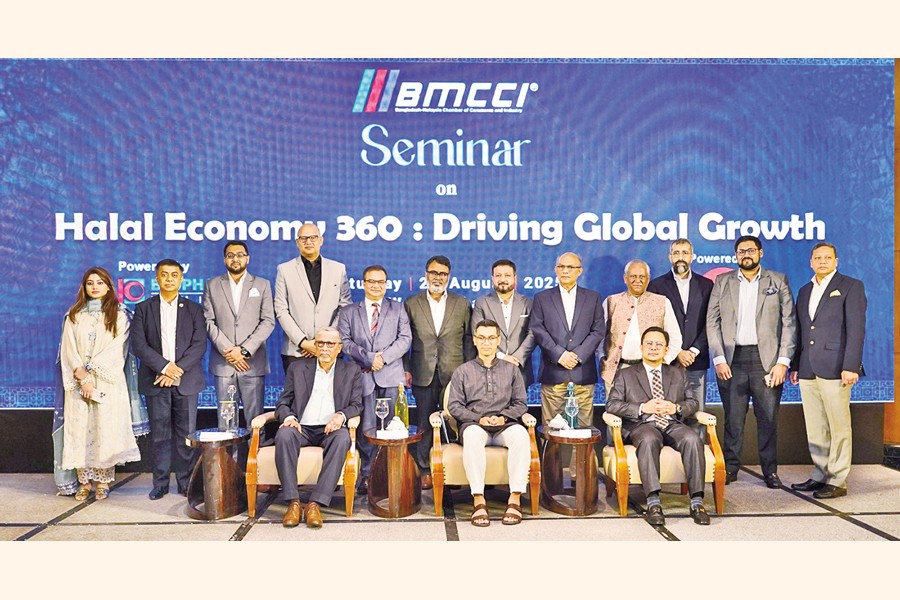
The announcement came during a major industry seminar that highlighted Bangladesh’s strategic positioning to capitalize on the expanding $7 trillion global halal market, representing a significant economic opportunity for the Muslim-majority nation.
Bangladesh-Malaysia Collaboration Framework
The economic relationship between Bangladesh and Malaysia currently exhibits substantial trade disparities that highlight both challenges and opportunities. In fiscal year 2023-24, Bangladesh imported approximately $2.6 billion worth of goods from Malaysia, while exports to Malaysia reached only $293.51 million, according to Bangladesh-Malaysia Chamber of Commerce and Industry (BMCCI) data.
Malaysia’s High Commissioner to Bangladesh, Mohd Shuhada Othman, confirmed his country’s commitment to sharing expertise in halal economy development. The collaboration aims to leverage Malaysia’s established position in the halal market to accelerate Bangladesh’s entry into this lucrative sector, with both nations expected to benefit significantly from the partnership.
Market Opportunity and Strategic Positioning
– Global Halal Market Analysis
Industry leaders highlighted a notable paradox in the current halal products market: most halal goods are manufactured by non-Muslim countries, creating a substantial opportunity for Muslim-majority nations like Bangladesh. This market gap presents Bangladesh with the potential to establish itself as an authentic halal products supplier with inherent credibility among Muslim consumers worldwide.
– Export Potential and Growth Projections
BMCCI President Shabbir A Khan outlined ambitious export targets, projecting that Bangladesh could realistically achieve $7-8 billion in halal exports to Malaysia alone by 2030. This projection extends beyond Bangladesh’s traditional garment exports, indicating the country’s potential for economic diversification through halal product manufacturing and export.
Implementation Strategy and Infrastructure Development
– Investment Attraction Measures
The government is implementing various initiatives designed to attract both domestic and international investment in halal production facilities. These measures include infrastructure enhancements, streamlined regulatory processes, and the development of specialized economic zones dedicated to halal manufacturing.
– Certification and Policy Streamlining
Key strategic elements include coordinating halal certification processes to ensure products meet international standards and creating a favorable investment climate through supportive policies. The government recognizes that efficient certification procedures are crucial for gaining consumer trust and accessing global markets.
– Public Private Partnership Emphasis
Government officials stressed the importance of increased collaboration between public and private sectors to maximize the halal economy’s potential. These partnerships are viewed as essential for driving innovation, ensuring sustainability, and creating the comprehensive ecosystem necessary for successful halal industry development.
Industry Leadership and Expert Insights
– Academic and Business Perspectives
The initiative benefits from strong academic and business community support, with experts providing comprehensive analysis of growth strategies and market opportunities. Dr. Mominul Islam from the International University of Business Agriculture and Technology (IUBAT) presented detailed research outlining the halal economy’s potential and effective development strategies.
– Chamber of Commerce Role
The Bangladesh-Malaysia Chamber of Commerce and Industry serves as a crucial facilitator in this development process, organizing industry dialogues and fostering connections between stakeholders from both countries. The chamber’s involvement demonstrates the private sector’s commitment to supporting this strategic economic shift.
Future Outlook and Economic Impact
– Regional Hub Aspirations
Bangladesh’s vision extends beyond simple market participation to establishing itself as a comprehensive regional hub for halal products. This ambitious goal involves developing capabilities across the entire value chain, from raw material processing to finished product manufacturing and distribution.
– Sustainable Growth Framework
The initiative emphasizes sustainable and inclusive growth, ensuring that halal economy development benefits various segments of Bangladeshi society while maintaining environmental and social responsibility standards. This approach aligns with global trends toward sustainable business practices and responsible economic development.
The seminar and subsequent policy announcements represent a significant milestone in Bangladesh’s economic diversification strategy, positioning the country to capture substantial value from the rapidly growing global halal market while strengthening bilateral relationships with key trading partners like Malaysia.
Original Article:
The Financial Express. (2025, August 5). Bangladesh wants to become regional hub of halal products: Ashik. The Financial Express. https://today.thefinancialexpress.com.bd/trade-market/bangladesh-wants-to-become-regional-hub-of-halal-products-ashik-1754239651