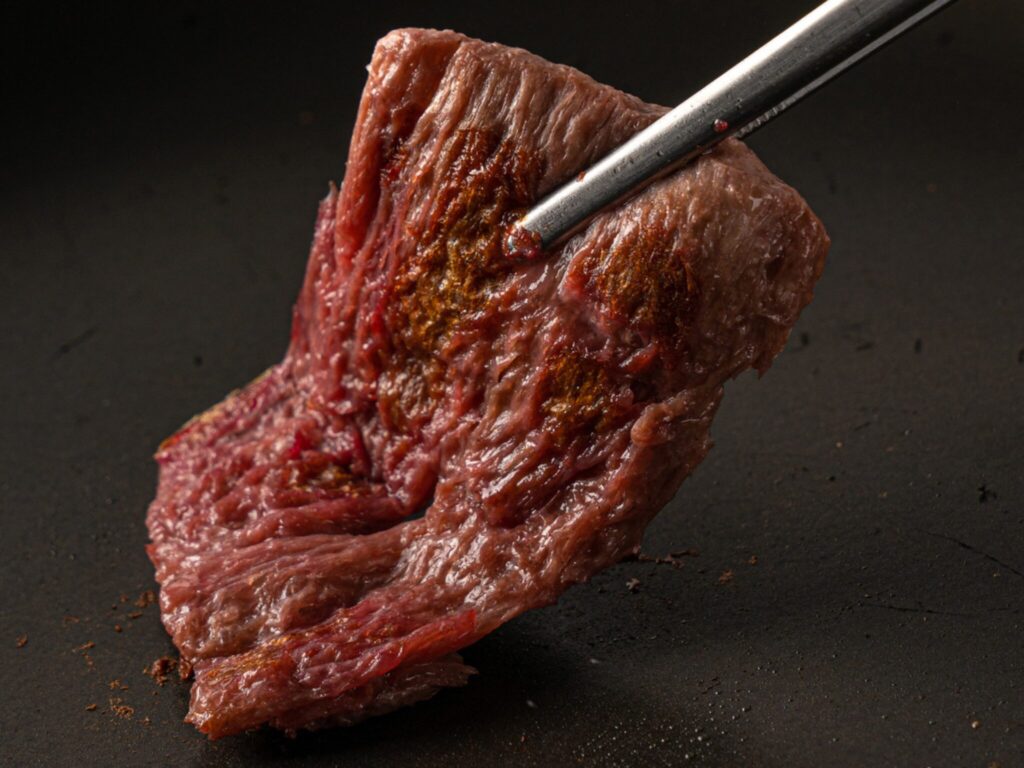
Cultivated Meat Meets Religious Requirements: A Breakthrough in Islamic Dietary Innovation in South Korea
Source: Simple Planet
Kawaguchiko, Japan – The Korean Muslim Federation (KMF) has issued a landmark fatwa that promises to revolutionize the intersection of Islamic dietary laws and cutting-edge food technology by recognizing cultivated meat as potentially Halal. This momentous ruling represents only the second such global validation, following Singapore’s similar declaration in 2023, and signals a significant shift in how religious dietary guidelines intersect with modern food production technologies.
A fatwa, while non-binding, carries substantial weight in Islamic communities, providing critical guidance on contemporary issues not explicitly addressed in traditional religious texts. The KMF’s ruling comes with nuanced requirements that underscore the careful consideration behind this decision. Production facilities must undergo rigorous inspection to ensure absolute compliance with Islamic dietary standards, demonstrating that religious authenticity is paramount in this technological breakthrough.
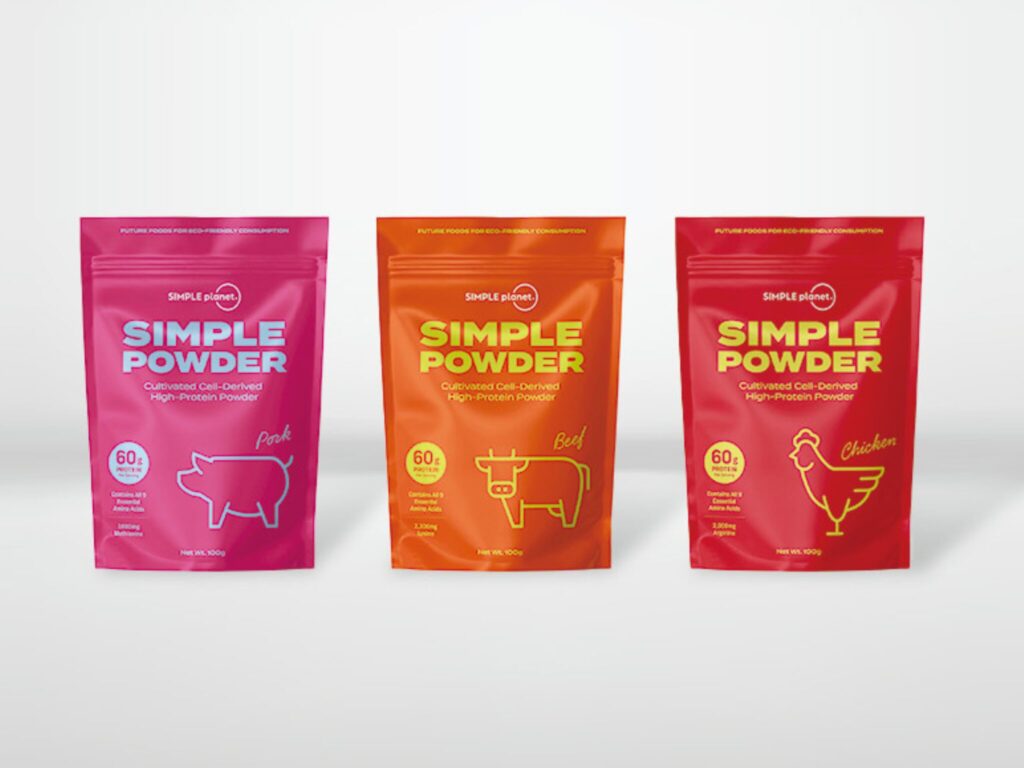
At the forefront of this innovation is Simple Planet, a Korean startup that has been meticulously positioning itself at the intersection of biotechnology and Halal food production. The company has made remarkable strides in developing cell-based protein technologies, establishing an impressive 13 different animal cell lines spanning beef, pork, chicken, bluefin tuna, and lobster. Their groundbreaking approach includes developing an edible, serum-free culture medium using metabolites derived from probiotics—a technique that not only potentially reduces production costs by 99.8% but also aligns closely with Halal principles.
The global context of this ruling is particularly compelling. With Halal consumers representing approximately 25% of the world’s population, the potential market for cultivated meat is enormous. The Halal meat market is projected to grow to an astounding $1.6 trillion by 2032, growing at a steady 7% annually. A comprehensive survey in 2023 revealed that 87% of cultivated meat companies view Halal compliance as a critical priority, highlighting the industry’s recognition of this significant market opportunity.
Religious scholars worldwide are increasingly engaging with this emerging technology. In 2023, leading Shariah scholars in Saudi Arabia validated cultivated chicken as Halal, while the Assembly of Muslim Jurists of America provisionally permitted cultivated meat, provided it meets specific religious criteria. These progressive interpretations reflect a nuanced understanding of how traditional religious principles can adapt to technological innovations.
Source: Simple Planet
Simple Planet’s strategic approach extends beyond mere product development. The startup has already secured $15.5 million in funding, including private investments and government grants, and is actively pursuing regulatory clearance in South Korea. Their recent memorandum of understanding with the Halal Science Center at Chulalongkorn University in Thailand demonstrates a commitment to interdisciplinary collaboration, integrating Halal Good Manufacturing Practices with biotechnological food solutions.
The local demographic landscape adds another layer of intrigue. South Korea currently has approximately 200,000 Muslims, with 40% concentrated in Seoul. While this might seem modest, the broader implications extend far beyond national borders. As Mirte Gosker from the Good Food Institute APAC aptly noted, achieving Halal certification is crucial for cultivated meat to transition from a technological novelty to a mainstream food option.
This fatwa represents more than a mere technical certification—it’s a bridge between centuries-old dietary traditions and 21st-century food production technologies. It demonstrates how religious guidelines can evolve to embrace scientific innovation, offering Muslim consumers an opportunity to engage with sustainable, ethically produced protein sources without compromising their religious principles.
The journey of cultivated meat is just beginning, but this ruling from the Korean Muslim Federation signals a promising trajectory. It offers a glimpse into a future where technological innovation, religious tradition, and sustainable food production can coexist and even complement each other.
Original Article:
halalfocus.com. (n.d.). South Korea’s Largest Muslim Organization Has Issued A Fatwa Regocnising That Cultivated Meat Can Be Halal. Retrieved March 25, 2025, from https://halalfocus.com/south-koreas-largest-muslim-organisation-has-issued-a-fatwa-recognising-that-cultivated-meat-can-be-halal/

