Makkah Forum Highlights Need for Innovation in the Growing Global Halal Industry

source: www.spa.gov.sa
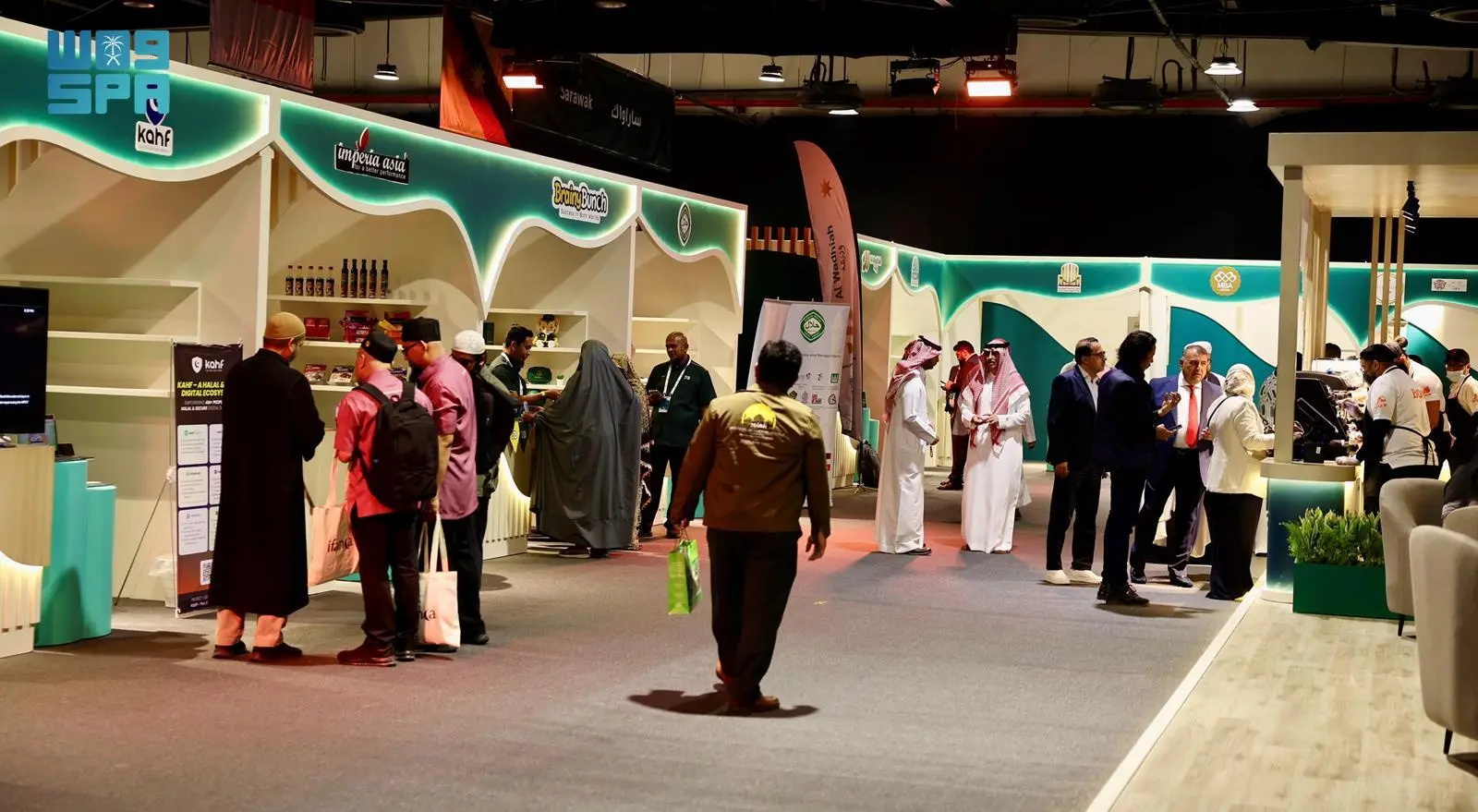
The Makkah Halal Forum has become a vibrant platform for industry leaders to exchange innovative ideas and technologies aimed at enhancing the global halal market and solidifying Saudi Arabia’s role as a key player in this sector. Running from February 25 to Thursday, the forum is hosted at the Makkah Chamber of Commerce Exhibition and Events Center under the theme “Sustainable Development Through Halal.”
This significant event gathers experts and leaders from around the world to discuss innovations, best practices, and sustainability in the halal industry. Participants from 150 countries are forming strategic partnerships to tackle challenges and shape the future of halal trade, with a focus on supporting emerging businesses.
The global halal market is projected to soar to $7.7 trillion by 2025, with the halal food and beverage sector alone contributing an impressive $3.3 trillion. By 2034, this market is expected to grow even further to $9.45 trillion, at an annual growth rate of 12.42%, according to the Saudi Press Agency.
Zulfiqar Hamadani, CEO of Tanmiah Food Co., emphasized the rapid expansion of the halal food industry, driven by increasing consumer awareness and demand for sustainable and healthier food options. He noted that halal is now recognized as the fastest-growing protein type in the global market, with consumers in Western and non-Muslim-majority countries acknowledging its sustainability and health benefits.
Hamadani explained that one of the key advantages of halal is the slaughtering process, which ensures the complete drainage of blood from the animal, thereby reducing the risk of diseases, particularly zoonotic ones. However, he stressed that halal encompasses much more than just slaughter methods. He called for a strengthened certification process to enhance consumer trust and ensure consistency in halal standards worldwide. “Certification is the first thing we need to achieve,” he stated, urging industry leaders to work on standardizing regulations.
He also highlighted the importance of research and development in modernizing halal food offerings. Traditionally, halal has been associated primarily with slaughtering methods, but it extends to every aspect of food production—from farm to fork. This includes Shariah-compliant financing, ethical treatment of animals, and sustainable agricultural practices.
Igor Marti, vice president of halal markets at BRF Foods, shared insights on adapting to evolving consumer demands, stating, “In today’s fast-paced world, consumers seek convenience without compromising health and transparency.” He added that 98% of the energy consumed at BRF Foods comes from renewable sources.
Irwandi Jaswir, deputy dean of the International Institute for Halal Research and Training at the International Islamic University Malaysia, emphasized the critical role of innovation and research in unifying halal standards and promoting sustainability. He called for collaborative efforts and cutting-edge solutions to address the evolving challenges in the halal food and beverage sector.
Yousef Khalawi, secretary-general of the Islamic Chamber of Commerce and Development, stressed the need for robust control and accreditation mechanisms to ensure the safety and quality of halal products. He pointed out that while everything is considered halal in Muslim countries by default, the complexities of modern life—especially the importation of food products—require thorough verification of ingredients used in food manufacturing.
During the second panel discussion, Dino Selimovic, adviser to the minister of foreign affairs of Bosnia and Herzegovina, highlighted Europe’s cultural and religious diversity and the nation’s role in introducing the halal lifestyle to the region. He noted the growing presence of halal-certified products and services, with Bosnia now boasting over 10,000 such offerings.
Iqbal Sacranie, chairman of the Muslim Trade Forum UK, discussed the rapid growth of the halal economy in the UK and across Europe. Despite Muslims making up only about 6% of the UK population—approximately 4 to 5 million people—Sacranie noted that the expansion is also driven by ethical considerations, with many non-Muslims increasingly engaging in sectors such as Shariah-compliant finance.
Original Article:
Arab News. (2025, March 5). Growing global halal industry requires innovation, say Makkah forum participants. Arab News. https://www.arabnews.com/node/2591706/amp