Ramadan and the Halal Market: The Growing Contribution of Brazilian Farmers
source: iasoybeans.com
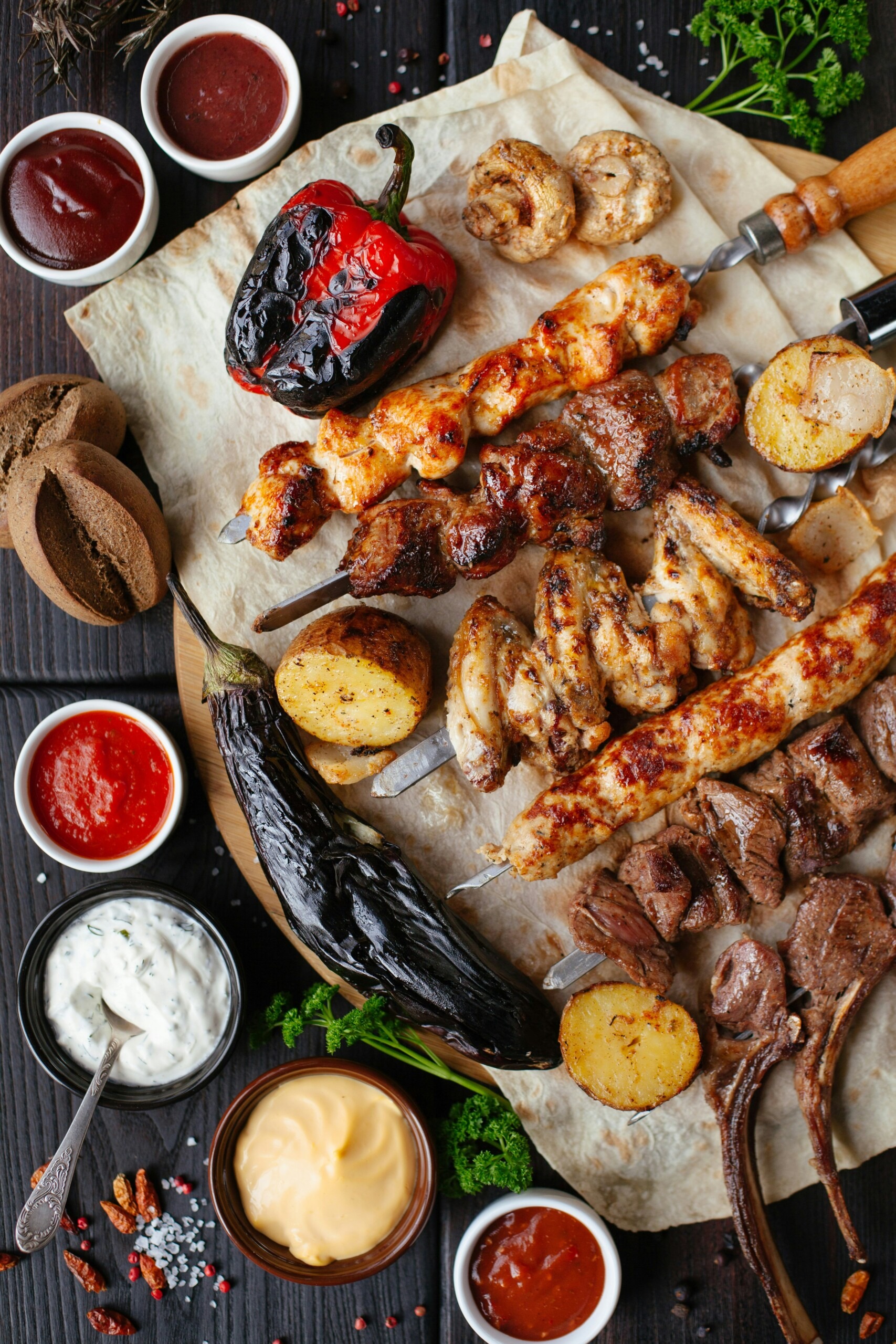
As the holy month of Ramadan unfolds, Muslims around the world engage in a time of fasting, prayer, and introspection. This sacred period is marked by communal meals known as “iftar,” which break the fast at sunset, and “suhoor,” the pre-dawn meal. Traditional dishes served during these times often include dates, hearty soups, flavorful meats, grains, and delectable sweets—all of which must adhere to halal standards. Brazilian farmers are stepping up to the plate, providing a diverse array of halal-certified products, from meats to grains and sugars, to meet this growing demand.
Brazil’s Dominance in the Global Halal Market
Brazil has established itself as a powerhouse in the global halal market. In 2023, the nation exported approximately 1.5 million tons of beef, with around 30% of that production receiving halal certification, as reported by the Ministry of Agriculture, Livestock, and Food Supply (MAPA). Chicken, a staple in beloved dishes like samosas and biryani, is another significant export, with Brazil shipping over 4.6 million tons to countries such as Saudi Arabia, Indonesia, and Egypt, according to the Brazilian Animal Protein Association (ABPA).
Chickpeas, Lentils, and Essential Ingredients for Ramadan
In addition to meat, Brazil is increasingly recognized for its production of chickpeas and lentils—two vital components in popular dishes like hummus and harira soup. The country has experienced an impressive 8% annual growth in chickpea production, with a substantial portion destined for markets in the Middle East and Southeast Asia, as highlighted by the Brazilian Agricultural Research Corporation (EMBRAPA). While Brazil may not yet be among the top global producers, its market share is steadily climbing. Similarly, lentil production is on the rise, with Brazil actively working to expand its exports to Asian and Middle Eastern countries.
Sweetening Ramadan: Brazil’s Role in Traditional Sweets
Sweets hold a special place in Ramadan celebrations, with treats like baklava being particularly cherished. As the world’s leading sugar producer, Brazil plays a pivotal role in satisfying this sweet tooth. In 2023, the country exported 7.6 million tons of sugar, a significant portion of which was sent to the Middle East, where demand for sweets surges during this holy month, according to the Sugar Cane Industry Union (UNICA). Additionally, Brazilian honey is gaining popularity as a natural sweetener for dishes and beverages enjoyed during Ramadan, with markets in Saudi Arabia and the United Arab Emirates (UAE) being major consumers, as reported by the Brazilian Honey Producers Association (ABEMEL).
Halal Certification: Ensuring Compliance with International Standards
Halal certification is crucial for Brazil’s engagement in the global halal market. In 2023, about 30% of Brazil’s beef exports were halal certified, aligning with the requirements of key markets such as Saudi Arabia, Indonesia, and Egypt. Beyond meat, Brazil is committed to certifying a variety of products, including grains and processed foods, to ensure they meet the standards expected by Muslim consumers. This dedication not only enhances Brazil’s reputation but also broadens its footprint in international markets.
In summary, as Ramadan continues, Brazilian farmers are playing an increasingly vital role in the halal market, providing essential ingredients that cater to the needs of Muslim communities worldwide. Their contributions not only support cultural traditions but also strengthen Brazil’s position as a leading supplier in this dynamic sector.
Original Article:
Brazilian Farmers. (n.d.). Ramadan and the halal market: How Brazilian farmers have added to this demand. Retrieved from https://brazilianfarmers.com/news/ramadan-and-the-halal-market-how-brazilian-farmers-have-added-to-this-demand/#:~:text=Brazil%20is%20widely%20recognized%20as,and%20Food%20Supply%20(MAPA)