Gulf Bank and KIBS Form Strategic Alliance to Drive Sharia-Compliant Banking Transformation
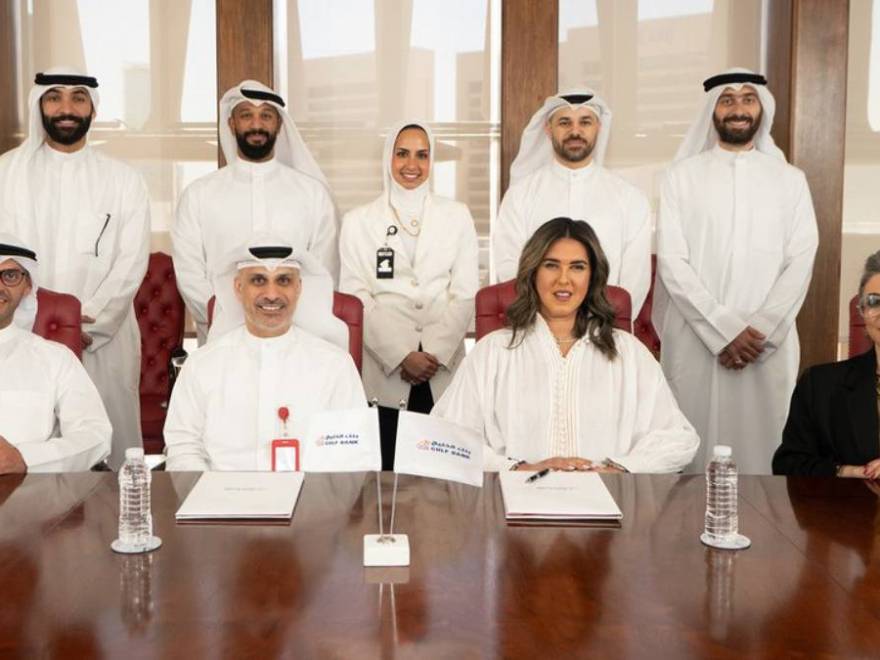
JAKARTA – In Kuwait’s dynamic financial sector, a transformative partnership is reshaping the landscape of ethical banking. On October 5, 2025, Gulf Bank executed a strategic collaboration agreement with the Kuwait Institute of Banking Studies (KIBS), marking a decisive move toward becoming a completely Sharia-compliant financial institution. This alliance represents more than administrative protocol—it’s a comprehensive initiative to prepare the bank’s entire workforce with specialized knowledge in Islamic banking principles.
The Strategic Context: Kuwait’s Islamic Finance Surge
This partnership emerges at a pivotal moment for Kuwait’s Islamic finance industry, which now commands over 51% of total banking assets nationwide. The sector demonstrated remarkable resilience and growth, with Islamic banks recording a 4% increase in net profits during the first half of 2025. This strategic collaboration follows the Central Bank of Kuwait’s (CBK) preliminary authorization granted on August 18, 2025, which approved Gulf Bank’s transition to Islamic banking operations under Law No. 32 of 1968, supported by an extensive feasibility assessment conducted by an international consultancy firm.
With the target completion date established for December 2025, Gulf Bank is pursuing an ambitious transformation that will align every financial transaction with Sharia principles—eliminating interest-based operations (riba), emphasizing equitable risk-sharing mechanisms, and prioritizing social welfare objectives.
Partnership Framework: Building Comprehensive Expertise
The collaboration between Gulf Bank and KIBS establishes a sophisticated training infrastructure designed to transform over 1,000 bank employees into Sharia-compliant banking specialists. The agreement was formalized by Bader Al-Ali, General Manager of Consumer Banking at Gulf Bank, and Rana Al-Nibari, Director General of KIBS, with senior leadership from both organizations witnessing the historic signing.
KIBS, operating under direct CBK supervision and governed by a board chaired by the central bank’s governor, will implement customized educational programs covering fundamental Islamic finance principles including:
- Prohibition of uncertainty (gharar) in financial contracts
- Ethical asset-backed financing structures
- Sukuk (Islamic bonds) as alternatives to conventional debt instruments
- Profit-sharing models such as mudarabah and musharakah
- Risk distribution mechanisms that ensure equitable outcomes
“Our collaboration with the Institute of Banking Studies represents a significant milestone in Gulf Bank’s transition toward Islamic banking,” stated Al-Ali during the ceremony. “This partnership underscores our commitment to equipping our employees with the knowledge and capabilities necessary to excel in a fully integrated, Sharia-compliant financial environment.”
Human Capital Investment: Empowering the Workforce
Nada Razzouqi, Acting General Manager of Human Resources at Gulf Bank, emphasized the human-centric approach: “We are pleased to collaborate with the Institute of Banking Studies to achieve this important milestone. We are proud that Gulf Bank is one of the leading banks that generously invests in human capital to enhance the competencies of its employees, considering them the main driver for achieving its strategic goals.”
From KIBS’s perspective, Al-Nibari highlighted the mutual benefits: “This collaboration represents a key milestone in Gulf Bank’s transformation journey and underscores its commitment to achieving operational efficiency, full regulatory compliance, and meeting the requirements for becoming a Sharia-compliant bank.”
Understanding Sharia-Compliant Banking Principles
For those unfamiliar with Islamic banking concepts, Sharia-compliant finance operates on foundations established in Islamic jurisprudence (fiqh al-mu’amalat), mandating that all financial activities promote fairness, transparency, and societal benefit. Unlike conventional banking where interest accumulates regardless of investment outcomes, Islamic banking models distribute both risks and rewards equitably among participants.
Key Sharia Banking Mechanisms:
- Ijarah: Leasing arrangements for property financing replacing traditional mortgages
- Murabaha: Cost-plus-profit financing for trade transactions
- Musharakah: Joint venture partnerships with shared profits and losses
- Takaful: Islamic insurance based on mutual cooperation principles
This philosophical shift resonates particularly strongly with Kuwait’s predominantly Muslim population, where 70% of banking assets already operate under Sharia-compliant frameworks.
Professional Development and Career Opportunities
The comprehensive training curriculum, accredited for continuing professional development (CPD), incorporates interactive modules addressing:
- Regulatory compliance frameworks
- Digital Islamic fintech innovations
- International case studies from industry leaders
- AAOIFI (Accounting and Auditing Organization for Islamic Financial Institutions) standards implementation
This substantial investment in workforce development addresses critical talent shortages within Kuwait’s banking sector, where demand for certified Sharia advisors is projected to increase 25% by 2030. KIBS, which conducts over 500 annual programs serving more than 20,000 financial professionals, provides the ideal platform for bridging this expertise gap.
Gulf Bank’s Transformation Journey
Established in 1960 by Amiri Decree No. 44 under Sheikh Abdullah Al-Salem Al-Sabah, Gulf Bank has evolved from its modest origins on Fahad Al-Salem Street into a financial powerhouse managing assets exceeding KD 5 billion. Listed on Boursa Kuwait since 1984, the institution has navigated significant challenges including the 1982 Souk Al-Manakh crisis while pioneering digital banking innovations.
The current Sharia-compliant transformation represents the bank’s most ambitious undertaking, particularly considering the proposed merger with Warba Bank, which acquired a 32.75% stake for $1.63 billion in April 2025. This potential union could establish a financial giant with KD 11 billion in combined assets, positioned for sustained growth without requiring capital increases for the next decade.
Economic Impact and Market Implications
Kuwait’s Islamic banking sector has demonstrated exceptional performance, with institutions like Kuwait Finance House (KFH) and Warba Bank reporting robust results. Warba Bank alone achieved a remarkable 121% surge in net profits, reaching KD 20.7 million in the first half of 2025. This growth trajectory, supported by 16% annual expansion in retail Islamic banking customer bases, reflects an industry-wide shift toward inclusive finance serving previously underserved market segments including SMEs and women entrepreneurs.
Expected Market Developments:
- Product Diversification: Enhanced takaful integrations and blockchain-enabled murabaha transactions
- Regional Sukuk Growth: Projected to reach $500 billion across the region by 2027
- Green Islamic Bonds: Alignment with ESG (Environmental, Social, Governance) investment objectives
- Digital Innovation: Advanced fintech solutions for Islamic banking products
Customer Benefits and Investment Opportunities
For Gulf Bank’s customers, the transition to Sharia-compliant operations offers several advantages:
- Ethical Transparency: Mandatory Sharia board audits ensuring principle adherence
- Competitive Returns: Profit-sharing mechanisms often yielding returns comparable to or exceeding conventional products
- Asset-Based Security: Financing backed by tangible assets rather than speculative instruments
- Market Stability: Fixed-profit margin products providing protection during economic volatility
Investors seeking halal portfolio options will appreciate the enhanced transparency and ethical foundations underpinning these financial products.
Future Outlook and Strategic Implications
As Gulf Bank progresses toward its December 2025 completion target, the transformation will likely unlock significant new revenue opportunities including:
- Expanded cross-border partnerships with GCC financial institutions
- Leadership in innovative sukuk issuances
- Development of specialized Islamic fintech platforms
- Enhanced capabilities for serving international Muslim markets
For finance professionals, this evolution signals expanding career opportunities, with certifications in Islamic risk management potentially commanding 20-30% salary premiums. Businesses requiring Sharia-compliant financing should monitor Gulf Bank’s product rollout for innovative solutions, while policymakers can reference this model for broader sector development initiatives.
Aligning with Kuwait Vision 2035
The Gulf Bank-KIBS partnership exemplifies Kuwait Vision 2035’s emphasis on sustainable economic diversification and human capital development. By investing substantially in specialized workforce training and institutional transformation, Gulf Bank demonstrates how private sector entities can actively contribute to national development objectives while maintaining commercial viability.
Conclusion: Pioneering Ethical Finance
The strategic alliance between Gulf Bank and the Kuwait Institute of Banking Studies transcends regulatory compliance—it represents a fundamental commitment to ethical banking principles that serve both commercial objectives and societal welfare. As Kuwait advances toward Vision 2035, this partnership demonstrates how traditional values can be harmoniously integrated with modern financial innovation, creating inclusive opportunities while strengthening the nation’s position as a regional Islamic finance leader.
For stakeholders across the financial ecosystem—from employees and customers to investors and regulators—this transformation signals a future where financial success and ethical principles are not competing priorities but complementary foundations for sustainable growth and shared prosperity.
Original Article:
Halal Times. (2025, October 10). Gulf Bank Partners with Institute of Banking Studies to Advance Sharia-Compliant Transformation. Retrieved from https://www.halaltimes.com/gulf-bank-partners-with-institute-of-banking-studies-to-advance-sharia-compliant-transformation/