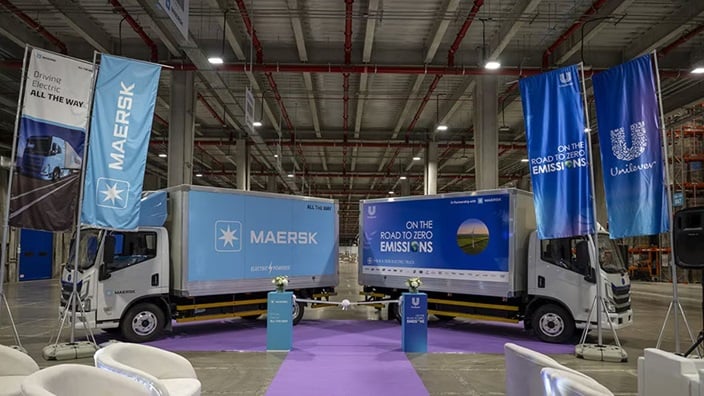
Maersk and Unilever Introduce Electric Delivery Vehicle in Saudi Arabia
JAKARTA – In a significant step toward sustainable freight operations, international logistics provider A.P. Moller – Maersk has partnered with consumer products multinational Unilever to deploy Saudi Arabia’s first electric delivery vehicle dedicated to commercial logistics operations. The initiative represents a concrete advance in reducing carbon emissions from supply chain activities throughout the Kingdom.
Strategic Alignment with National Goals
The electric vehicle deployment directly supports Saudi Arabia’s Vision 2030 objectives, which include substantial carbon emission reductions and achieving 50% renewable energy generation by the end of the decade. This collaborative effort marks the initial phase of a more extensive transformation strategy, with both corporations planning to expand electric mobility implementation across their Saudi operations while investigating additional sustainability innovations.
Future developments under consideration include intermodal transportation solutions and expanded integration of solar energy systems within warehousing facilities. The partnership demonstrates how private sector initiatives can contribute meaningfully to national environmental objectives while maintaining operational efficiency.
Operational Implementation in Jeddah
The electric delivery vehicle operates exclusively within Maersk’s Logistics Park in Jeddah, servicing BinDawood Group, a major retail partner for Unilever in the region. The vehicle covers routes within a 50-kilometer radius, traveling approximately 3,500 kilometers monthly while serving this key customer account.
This deployment follows Unilever’s strategic consolidation of multiple warehouse facilities into a single centralized fulfillment center at the Maersk Logistics Park. That consolidation effort alone has already generated a 5% reduction in transportation-related emissions, demonstrating quantifiable environmental benefits before electric vehicle introduction.
Advanced Sustainability Infrastructure
The Logistics Park facility incorporates substantial green technology infrastructure that enables the electric vehicle program. Most notably, the complex features an expansive 64,000 square meter rooftop solar installation that generates renewable electricity for charging the electric fleet. This solar power system ensures that the vehicle operates on clean energy rather than grid electricity potentially derived from fossil fuel sources.
Additionally, the facility employs an innovative cooling system utilizing ammonia as a natural refrigerant and seawater for cooling purposes instead of potable water. This approach conserves valuable freshwater resources while maintaining necessary temperature control for stored goods.
Ahmed Kadous, who oversees Customer Operations for Unilever across Middle East, Turkey, Pakistan, and Bangladesh markets, emphasized that combining the electric vehicle with solar-powered charging infrastructure achieves nearly complete emissions elimination compared to conventional diesel-powered delivery trucks. He noted that this approach simultaneously advances sustainability objectives and delivers enhanced value to retail customers while supporting both national and global environmental commitments.
Partnership Framework and Collaboration
The successful launch reflects extensive coordination between Maersk and Unilever across multiple operational dimensions. Both organizations collaborated on infrastructure preparation, operational logistics planning, and engagement with various stakeholders to ensure smooth implementation.
Ahmed El Esseily, Managing Director for Maersk’s Saudi Arabian operations, commented that advancing electric vehicle technology combined with expanding charging infrastructure across the Kingdom creates increasing opportunities to deploy zero-emission freight vehicles. He expressed enthusiasm about collaborating with Unilever, recognizing their shared commitment to decarbonizing logistics solutions while maintaining supply chain value delivery.
Corporate Sustainability Commitments
The electric vehicle initiative fits within both companies’ broader environmental strategies and ambitious decarbonization targets.
Maersk currently provides low-emission trucking solutions across more than fourteen countries globally and has committed to achieving net-zero emissions throughout its entire supply chain by 2040. This comprehensive target encompasses ocean shipping, port operations, and land-based logistics activities.
Unilever has established its own aggressive climate goals, targeting net-zero emissions across its complete value chain by 2039. More specifically, the company aims to reduce greenhouse gas emissions from its logistics network by 50% before 2030. Transitioning to electric vehicles represents a cornerstone strategy for both organizations as they work toward building more sustainable business operations.
Implications for Regional Logistics
This pioneering deployment carries significance beyond the immediate operational benefits. It demonstrates the technical and commercial feasibility of electric freight vehicles in the Saudi market, potentially encouraging broader industry adoption. As charging infrastructure develops and electric vehicle technology continues improving, similar deployments may become increasingly common across the Kingdom’s logistics sector.
The project also illustrates how multinational corporations can align their sustainability initiatives with host country national development plans, creating mutually beneficial outcomes. By investing in green logistics infrastructure, these companies contribute to Saudi Arabia’s environmental objectives while simultaneously advancing their own corporate sustainability goals.
Future Expansion Potential
While this initial deployment involves a single electric vehicle serving one retail partner, both Maersk and Unilever have indicated intentions to scale electric mobility across their broader Saudi operations. The success of this pilot program will likely inform decisions about expanding the electric fleet and potentially deploying similar solutions in other Saudi cities beyond Jeddah.
The companies are also exploring complementary sustainability measures, including intermodal transport solutions that combine different transportation modes to optimize efficiency and minimize environmental impact. Further expansion of solar-powered warehousing represents another avenue for reducing the carbon footprint of logistics operations.
Impact Summary:
- First commercial electric delivery vehicle deployed in Saudi logistics sector
- Nearly 100% emissions reduction versus conventional diesel trucks when powered by solar energy
- 5% emissions reduction already achieved through warehouse consolidation
- 64,000 square meter solar installation supporting green operations
- Alignment with Saudi Vision 2030 renewable energy targets
- Foundation for broader electric fleet expansion across Kingdom
This collaboration between Maersk and Unilever establishes an important precedent for sustainable logistics innovation in Saudi Arabia, demonstrating that environmental responsibility and operational efficiency can advance together through strategic partnerships and infrastructure investment.
Original Article:
Logistic Manager. (2025, December 8). Maersk and Unilever Launch First Electric Van for Decarbonizing Logistics in Saudi Arabia. Retrieved from https://logistics-manager.com/maersk-and-unilever-launch-first-electric-van-for-decarbonizing-logistics-in-saudi-arabia/