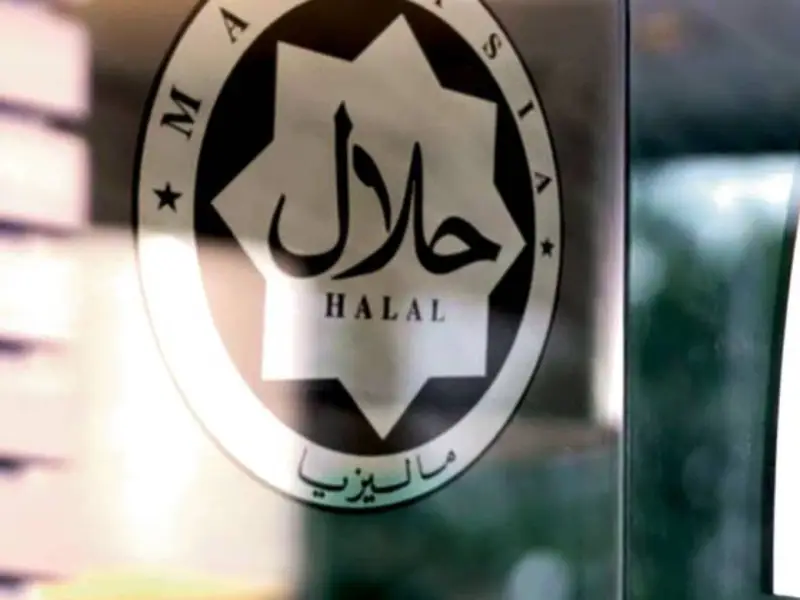
Worldwide Halal Market Surges to £1.77 Trillion Despite Economic Challenges
Source: Halal Times
JAKARTA – The international halal economy has achieved remarkable milestone figures, with Muslim consumers investing approximately £1.77 trillion in sharia-compliant products and services throughout 2023 – marking a substantial 5.5% growth from the preceding year. According to Dinar Standard’s latest State of the Global Islamic Economy report, this expansion persisted despite inflationary challenges and supply chain interruptions stemming from geopolitical tensions, showcasing the industry’s exceptional durability.
Breakthrough Statistics: An Industry Thriving Amid Global Turbulence
The detailed analysis reveals several transformative developments:
- Islamic finance assets experienced a 9.2% surge, reaching £3.6 trillion
- Malaysia maintained its status as the world’s premier Islamic economy
- The United Kingdom advanced one position to 14th place globally, surpassing South Africa
- While halal food continues as the dominant sector, cosmetics and ethical brands are emerging as growth leaders
This expansion proves particularly significant given its acceleration during widespread economic instability. “The Islamic economy transcends simple growth – it’s undergoing transformation,” states Rafi-uddin Shikoh, CEO of Dinar Standard. “We’re witnessing a fundamental transformation in Muslim consumer preferences that’s revolutionizing international markets.”
The Gaza Impact: Conflict-Driven Consumer Transformation
The report documents a dramatic transformation in purchasing behaviors following Israel’s military operations in Gaza:
Corporate Boycotts: Major multinational corporations including Nestlé, McDonald’s, and Coca-Cola experienced substantial sales decreases across Muslim markets
Regional Brand Surge: Egyptian beverage company V7 witnessed a threefold increase in exports to Middle Eastern nations
Values-Based Commerce: UK-based Gaza Cola achieved sales exceeding 500,000 cans within months of launching, while Italian supermarket chain Coop Alleanza 3.0 substituted Israeli products with Palestinian alternatives
“This movement extends beyond political considerations – it centers on principles,” clarifies Osama Qashoo, Gaza Cola’s founder. “Consumers seek products reflecting their moral values. Our achievements demonstrate substantial market demand for brands representing meaningful causes.”
Transcending Religious Boundaries: Halal’s Mainstream Appeal
While the Islamic economy continues expanding within Muslim communities, the report highlights its broadening cross-cultural attraction:
- Halal certification increasingly represents food safety and quality assurance
- Ethical consumption movements are attracting non-Muslim consumers to halal products
- Vegan-halal beauty companies like India’s Iba Cosmetics are capturing mainstream market share
The cosmetics industry, currently representing 6.3% of the Islamic economy, is positioned for dramatic expansion. Dinar Standard forecasts Muslim expenditure on halal cosmetics will surpass £86 billion by 2028, fueled by younger demographics demanding cruelty-free, chemical-free alternatives.
Britain’s Ascending Position
The UK’s ranking improvement reflects multiple strategic developments:
- London strengthening its role as a western Islamic finance center
- Increasing demand for halal food services throughout NHS and educational institutions
- Successful enterprises like Gaza Cola demonstrating British innovation in ethical consumerism
Nevertheless, analysts indicate the UK could accelerate its progress through enhanced halal tourism infrastructure and increased government support for Islamic fintech initiatives.
Future Trajectory of the Halal Economy
Industry specialists highlight three critical trends for monitoring:
Blockchain Halal Verification: Enhanced supply chain transparency through distributed ledger technology
AI-Powered Financial Solutions: Artificial intelligence applications for Islamic banking services
Generation Z Influence: Younger consumers merging sustainability principles with halal requirements
Market Outlook and Strategic Implications
The halal economy’s sustained growth reflects deeper societal shifts beyond traditional religious boundaries. As ethical consumption becomes increasingly mainstream, halal principles are attracting diverse consumer segments seeking transparency, quality, and social responsibility.
This transformation presents significant opportunities for businesses willing to adapt their offerings and marketing strategies. Companies that successfully integrate halal principles with modern consumer demands are positioned to capture substantial market share in this expanding sector.
The geopolitical dimension adds another layer of complexity, as recent events have demonstrated how consumer boycotts can rapidly reshape market dynamics. Brands must navigate these sensitivities while building authentic connections with value-conscious consumers.
Conclusion
As the comprehensive report emphasizes: “The Islamic economy has evolved beyond niche market status. It represents a global influence shaping the future of ethical consumption – and its expansion demonstrates no indication of deceleration.”
The £1.77 trillion halal economy stands as testament to the power of values-driven commerce in an increasingly interconnected world. As this sector continues its upward trajectory, it will likely influence broader business practices and consumer expectations across multiple industries and geographic regions.
Original article:
halaltimes.com.com. (n.d.). Global Halal Industry Expands 5.5% to Reach £1.77 Trillion. Retrieved July 15, 2025, from https://www.halaltimes.com/global-halal-industry-expands-5-5-to-reach-1-77-trillion/