FSIS Issues Alert: Bismillah Halal Meats Ground Beef Linked to E. Coli O103 Contamination
Georgia retail market faces public health warning
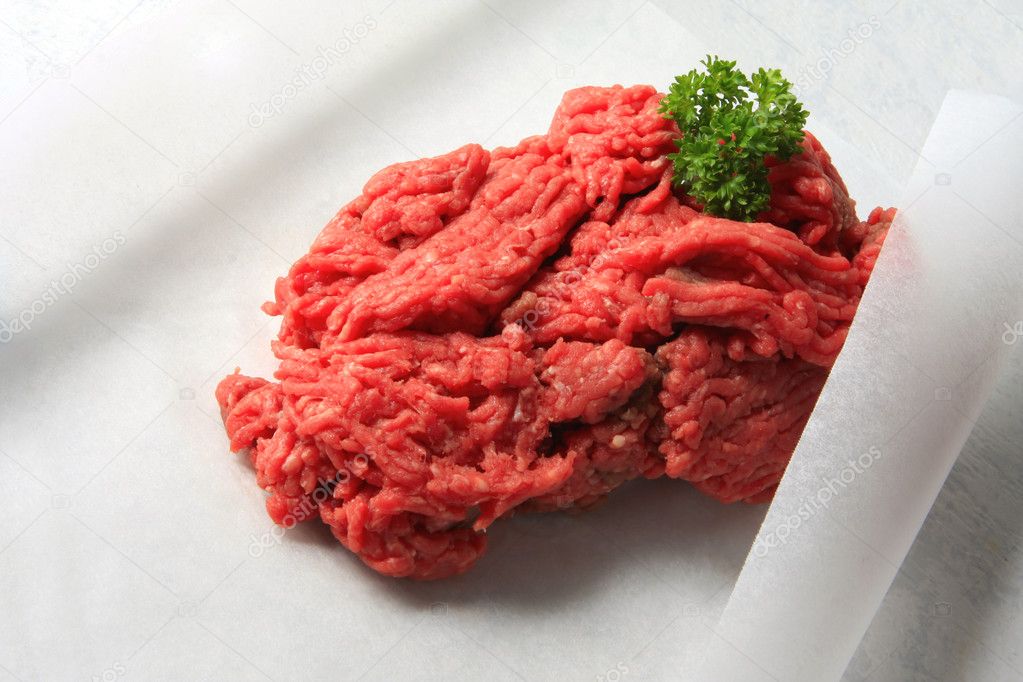
The U.S. Department of Agriculture’s (USDA) Food Safety and Inspection Service (FSIS) issued a public health alert for retail ground beef products sold by Bismillah Halal Meats, a retail market in Marietta, Ga., that may be contaminated with E. coli O103.
FSIS issued the public health alert to ensure consumers are aware that these products should not be consumed. A recall was not requested because the products are no longer available for purchase.
The raw ground beef was produced plus sold directly to consumers. All products were weighed, wrapped, labeled in-store at the time of purchase. The products do not bear an establishment number or the USDA mark of inspection because they were produced under retail exemption.
The problem was discovered when a sample was collected plus analyzed by FSIS during retail surveillance, with sampling results showing the presence of E. coli O103. There have been no confirmed reports of illness due to consumption of these products.
E. coli O103 characteristics explained
E. coli O103 is a Shiga-toxin producing E. coli (STEC). Many clinical laboratories do not test for non-O157 STEC, such as O103, because it is harder to identify than STEC O157:H7, said FSIS. People can become ill from STECs two to eight days (average of three to four days) after consuming the organism.
Most people infected with STEC O103 develop diarrhea (often bloody) plus vomiting. Some illnesses last longer, can be more severe. Infection is usually diagnosed by testing a stool sample. Vigorous rehydration plus other supportive care are the usual treatment; antibiotic treatment is generally not recommended. Most people recover within a week, but rarely, some develop a more severe infection.
HUS presents serious complication risk
Hemolytic uremic syndrome (HUS), a type of kidney failure, is uncommon with STEC O103 infection. HUS can occur in people of any age, but it is most common in children under 5 years old, older adults, people with weakened immune systems. It is marked by easy bruising, pallor, decreased urine output. People who experience these symptoms should seek emergency medical care immediately.
Consumer action urged
FSIS is concerned that some products may be in consumers’ refrigerators or freezers. Consumers who have purchased these products are urged not to consume them. These products should be thrown away or returned to the place of purchase.
Consumers with questions regarding the public health alert can contact Murad ManJiyani, Bismillah Halal Meats owner, at 404-786-1356 or muradmanji@gmail.com.
Consumers with food safety questions can call the USDA Meat and Poultry Hotline at 888-MPHotline (888-674-6854) or send a question to MPHotline@usda.gov. For consumers that need to report a problem with a meat, poultry or egg product, the online Electronic Consumer Complaint Monitoring System can be accessed 24 hours a day at https://foodcomplaint.fsis.usda.gov/eCCF/.
Retail exemption limits oversight
The incident highlights vulnerabilities within retail exemption frameworks that allow small-scale meat processors to operate without continuous USDA inspection or establishment numbers. While retail exemptions support small business operations plus local food systems, they create regulatory gaps where contamination can occur undetected until surveillance sampling identifies problems—potentially after products have already reached consumers.
For halal meat retailers specifically, the case underscores tensions between religious certification priorities (ensuring proper slaughter according to Islamic law) plus food safety imperatives (preventing microbial contamination). Muslim consumers seeking halal products from specialty butchers for religious authenticity may face elevated food safety risks compared to purchasing from larger, continuously-inspected establishments, though no evidence suggests halal processing methods inherently increase contamination risks.
The absence of confirmed illnesses despite potential E. coli O103 contamination reflects both the effectiveness of proactive surveillance testing plus the reality that many foodborne illness cases go unreported or undiagnosed, particularly for non-O157 STEC strains that clinical laboratories often fail to identify. The alert serves as a reminder that even trusted community retailers require robust food safety protocols regardless of their religious certification status.
Original Article:
Quality Assurance Magazine. (2025, October 16). FSIS issues alert for Bismillah Halal Meats ground beef due to possible E. coli contamination. Retrieved from https://www.qualityassurancemag.com/news/fsis-issues-alert-for-bismillah-halal-meats-ground-beef-due-to-possible-ecoli-contamination/