Da Nang Develops Halal-Friendly Tourism to Capture Rapidly Growing Market
As the global halal tourism sector continues to grow at a strong pace, Da Nang is positioning itself to attract Muslim travelers by developing an inclusive, halal-friendly destination that meets international standards.
Building a halal-oriented tourism ecosystem is expected to help the central Vietnamese city diversify its visitor markets, strengthen competitiveness, and enhance its reputation as a safe and culturally respectful destination that supports global integration.
In 2025, Da Nang recorded more than 17.3 million overnight visitors, reflecting a 15% increase from the previous year. International tourist arrivals surpassed 7.6 million, while domestic travel reached nearly 9.7 million. Tourism revenue from accommodation, food services, and travel activities was estimated at about VND60 trillion (US$2.28 billion), marking growth of over 21% and reinforcing tourism’s role as a key economic driver.
The city has focused on attracting higher-spending and longer-stay visitors from established markets such as Northeast and Southeast Asia, India, Australia, and Europe, while also expanding outreach to emerging markets including India, the Middle East, and the United States. Efforts to restore and introduce new direct and charter flights from these regions are ongoing.
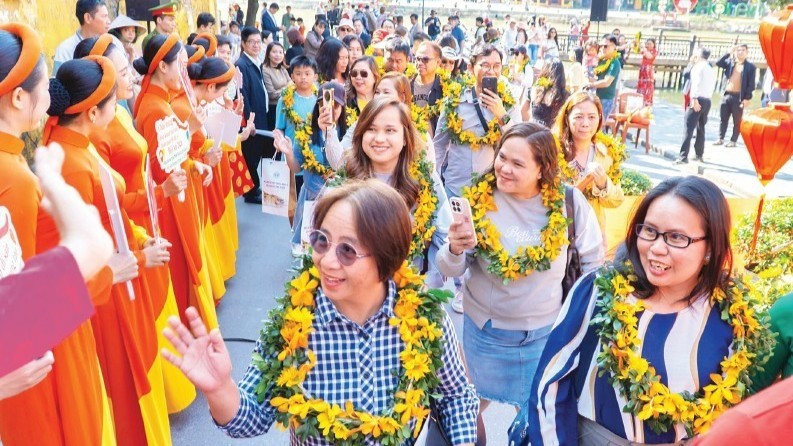
Targeted promotional campaigns in 2025 brought more than 617,000 Muslim travellers from Indonesia, Malaysia, CIS countries, and the Middle East, supported by newly launched air routes.
National policy support has further accelerated these efforts. Vietnam’s scheme to strengthen international cooperation in developing the halal industry through 2030, approved in early 2023, identifies halal tourism as a priority sector and provides a strong foundation for ecosystem development.
Da Nang is gradually strengthening its Muslim-friendly offerings by improving halal-compliant food, services, and travel experiences. City officials note that Da Nang has favourable infrastructure, location, workforce capacity, and service quality to support halal tourism development.
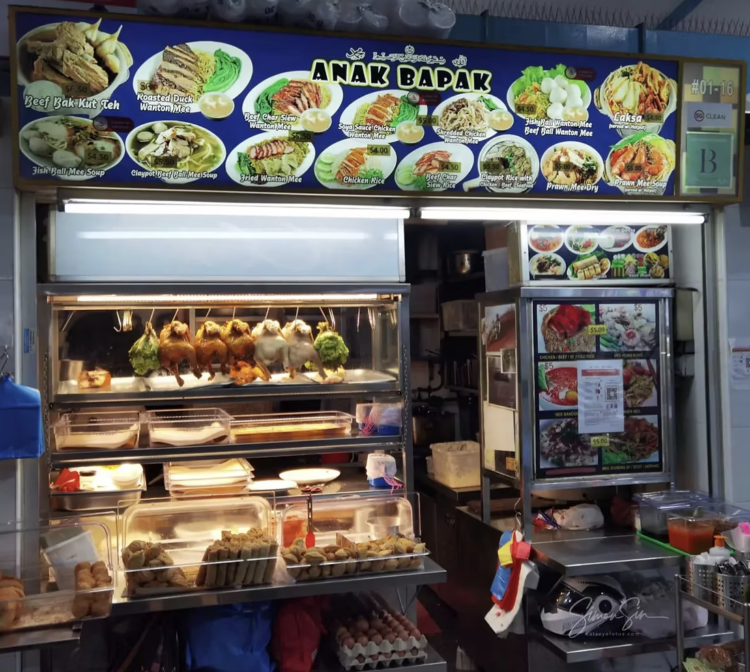
Currently, the city hosts over 800 food outlets serving Muslim guests, including nearly 40 halal and Indian restaurants, more than 10 of which hold halal certification. Many hotels and restaurants have adapted menus to meet the preferences of Middle Eastern and CIS visitors.
Major tourism operators have also taken proactive steps. Sun World Ba Na Hills has opened halal-certified dining facilities and prayer rooms while upgrading staff training and multilingual services. Furama Resort Da Nang has established a dedicated halal kitchen system and welcomed over 5,000 Muslim guests in 2025 with high satisfaction rates.
Tourism experts see halal tourism as a sustainable growth avenue that can help Da Nang reduce dependence on traditional markets and create a more balanced visitor profile. City authorities plan to continue research, product development, workforce training, and promotional efforts under the 2025–2030 Muslim-friendly tourism roadmap, aligned with national halal development strategies.
Source:
VietnamPlus. (2026). Da Nang builds halal-friendly destination to tap into fast-growing market. https://en.vietnamplus.vn/da-nang-builds-halal-friendly-destination-to-tap-into-fast-growing-market-post335771.vnp