Building an Integrated Halal Value Chain in the Digital Era
The global halal industry is undergoing a significant transformation. For a long time, halal was largely understood as a label guaranteeing that a product complies with Sharia principles. Today, however, the concept has evolved into an ecosystem encompassing the entire value creation process — from production, certification, and promotion, to distribution and consumption. This shift signals that halal is no longer solely about the product itself, but also about how the various elements within an economic ecosystem interconnect to generate added value.
The advancement of digital technology is accelerating this transformation. Businesses can now market their products to countries around the world without needing a physical presence in their target markets. At the same time, consumers are increasingly demanding transparency and assurance regarding the products they consume. In this context, the concept of the halal value chain becomes ever more relevant, as it ensures that halal integrity is preserved from the production stage all the way to the moment the product reaches the consumer.
Developments unfolding across the Philippines, Southeast Asia, and global digital markets illustrate how the halal value chain continues to evolve and become more integrated. Certification, business promotion, and digital trade have now emerged as three complementary links in building a modern halal ecosystem.
Certification as the Foundation of Trust
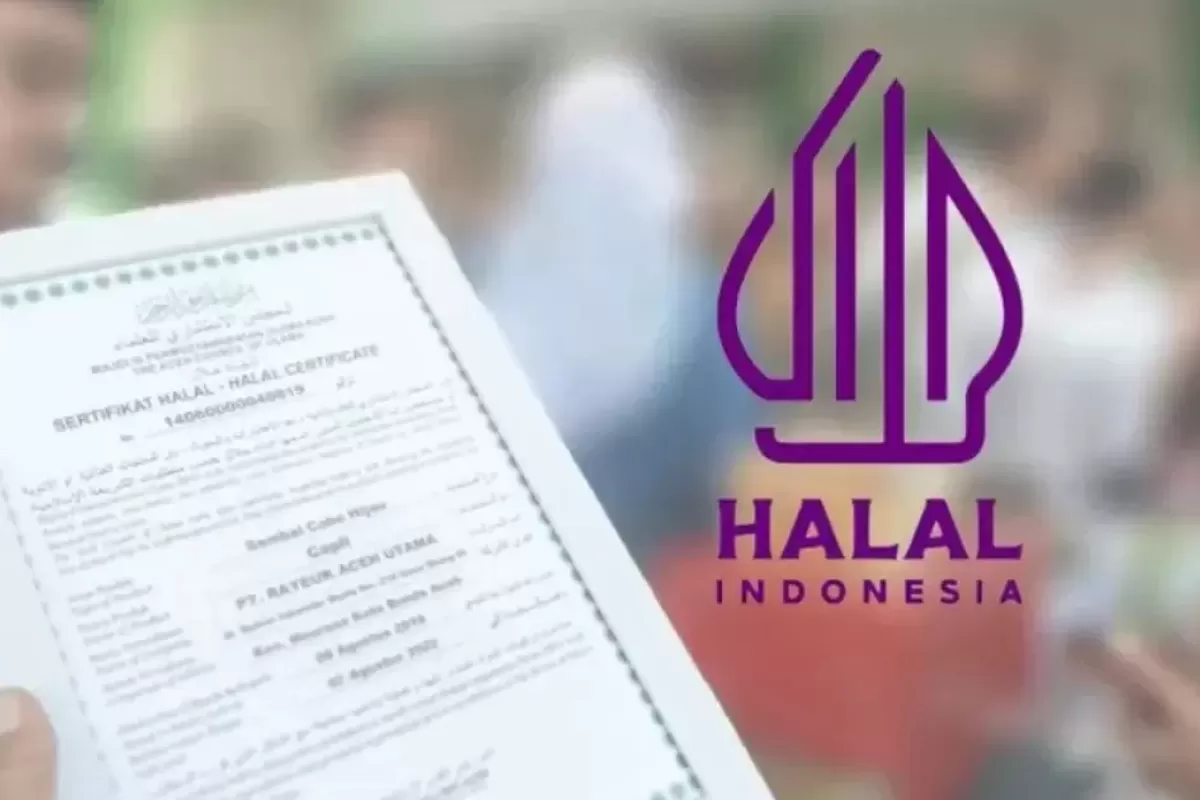
The cornerstone of the halal value chain is certification. Without credible halal assurance, it is difficult for any product to earn consumer trust or gain access to broader markets.
The importance of halal certification is clearly reflected in the steps taken by the Bangsamoro government in southern Philippines. Through its Ministry of Trade, Investments and Tourism (MTIT), the government has provided assistance to seven enterprises in Tawi-Tawi in obtaining halal certification. This program forms part of a broader effort to strengthen the halal industry in the Bangsamoro region while enhancing the competitiveness of local products in regional and international markets.
This initiative demonstrates that halal certification is now regarded as an instrument of economic development. Certification does not merely provide assurance of compliance with Sharia standards, it also serves as a means to bolster business credibility, expand market access, and strengthen the position of producers in global trade. Research conducted in recent years further confirms that certified halal businesses tend to have greater opportunities to expand their markets and improve their competitiveness compared to those without certification.
Within the halal value chain, certification serves as the starting point that enables all subsequent processes to run more effectively. The trust established through certification becomes the primary capital for entering the stages of promotion and distribution.
Halal Events as Market Connectors
Once legitimacy is secured through certification, the next challenge is bringing products to market. This is where promotion and business networking play a crucial role.
A compelling development can be observed in the growing trend of halal-certified events across Asia. A report by Meetings & Conventions Asia reveals that demand for services and events meeting halal standards continues to rise, particularly in business hubs and international destinations such as Malaysia and Singapore. This demand does not come solely from Muslim travelers, but also from companies and organizations seeking to ensure that the needs of Muslim participants are optimally met.
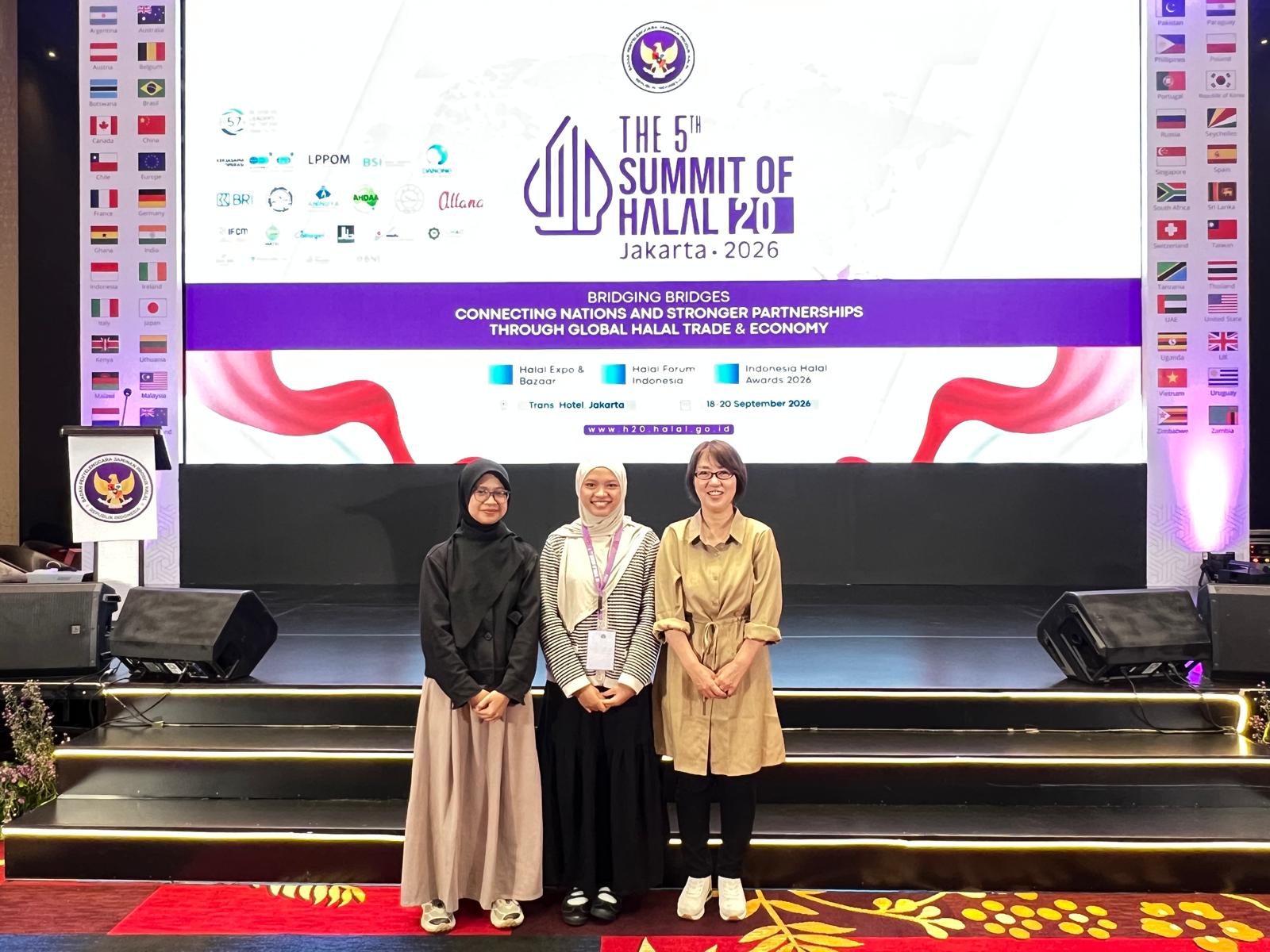
This trend shows that the concept of halal has expanded well beyond products into services and business experiences. Events that apply halal standards become strategic spaces for bringing together business players, investors, distributors, and consumers within a single ecosystem. Trade fairs, international conferences, and halal-based investment forums enable the formation of new collaborations that strengthen the overall halal value chain.
From an economic perspective, halal events function as a bridge between production and the market. Products that have obtained certification stand a far greater chance of gaining recognition and acceptance when supported by adequate promotion and business networking activities. Without such meeting spaces, many halal products risk remaining confined to local markets, despite their quality.
E-Commerce and the Transformation of Halal Distribution
The next stage in the halal value chain is distribution. Where distribution once relied heavily on physical networks, the advancement of digital technology has opened new opportunities through e-commerce.
This shift is evident in the growing number of halal e-commerce platforms connecting buyers and sellers across countries. According to a report by Halal Times, halal marketplaces now function not merely as transaction venues, but also as spaces where consumers can access more transparent information regarding a product’s halal status. Details on certification, product origin, and customer reviews have become key factors guiding consumers in their purchasing decisions.
For businesses, the rise of e-commerce has opened access to a far broader market than ever before. Even products made by small enterprises can now reach consumers across national borders without the need to build complex distribution networks. At the same time, Muslim consumers can more easily find halal products that meet their needs.
In a digital environment where direct interaction is minimal, trust becomes the decisive factor in determining the success of a transaction. This makes halal certification all the more important in the age of e-commerce. A product’s halal status functions as a quality signal and a form of assurance that helps reduce uncertainty in online transactions. Digital technology, therefore, does not replace the role of certification, it amplifies its strategic value.
Toward an Integrated Halal Ecosystem
These three phenomena demonstrate that certification, promotion, and e-commerce are not standalone elements. They are parts of an interconnected value chain.
The halal certification support program in Bangsamoro underscores the importance of building a trust foundation within the halal industry. The growing trend of halal-certified events in Malaysia and Singapore illustrates how promotion and business networking can unlock broader market access. Meanwhile, the expansion of halal e-commerce shows how digital technology can accelerate distribution and connect producers with consumers across the globe.
When these three aspects are integrated, the result is a halal ecosystem that not only upholds compliance with halal standards, but also generates greater economic value. This integration is further reinforced by technological advancements that enable product traceability, supply chain transparency, and improved operational efficiency.
The future of the halal economy no longer depends on any single aspect. Competitiveness will be determined by the ability to connect every link in the chain — from producers, certification bodies, and event organizers, to digital platforms and consumers.
Conclusion
Global developments in the halal economy make clear that halal has evolved into a complex and interconnected ecosystem. Halal certification provides the foundation of trust, business events build market connectivity, while e-commerce extends distribution beyond geographical boundaries.
The experience of Bangsamoro in strengthening halal certification, the trend of halal events across Asia, and the expansion of halal e-commerce platforms all point to the same conclusion. The future of the halal industry lies in the integration of the entire value chain. In the digital era, the success of the halal economy is no longer determined solely by product quality, but by the ability to build an ecosystem that connects trust, business networks, and technology into a single, sustainable value chain.
– Written by Naflah –
References
Adinugraha, H. H., Fikri, M. K., & Andrean, R. (2024). Halal Industry, Digital Economy, and Creative Economy: Challenges and Opportunities for MSMEs in Indonesia. Journal of Islamic Economics, Management, and Business (JIEMB), 6(2), 155–182. https://doi.org/10.21580/jiemb.2024.6.2.23588
Harsanto, B., Pradana, M., Firmansyah, E. A., et al. (2024). Sustainable Halal Value Chain Performance for MSMEs: The Roles of Digital Technology, R&D, Financing, and Regulation as Antecedents. Cogent Business & Management, 11(1). https://doi.org/10.1080/23311975.2024.2397071
Meetings & Conventions Asia. Halal-certified events are becoming bigger business. https://www.meetings-conventions-asia.com/News/Food-Beverage/Halal-certified-events-are-becoming-bigger-business
Bangsamoro Government. 7 Tawi-Tawi enterprises move closer to halal certification with MTIT support. https://bangsamoro.gov.ph/news/latest-news/7-tawi-tawi-enterprises-move-closer-to-halal-certification-with-mtit-support/
Halal Times. Halal E-Commerce Is Rewriting the Rules for Buyers and Sellers. https://www.halaltimes.com/halal-e-commerce-rewriting-buyers-sellers/