Airline Manager Suggests Meal Choices Could Aid Passenger Profiling
 (Photo: Airport Technology)
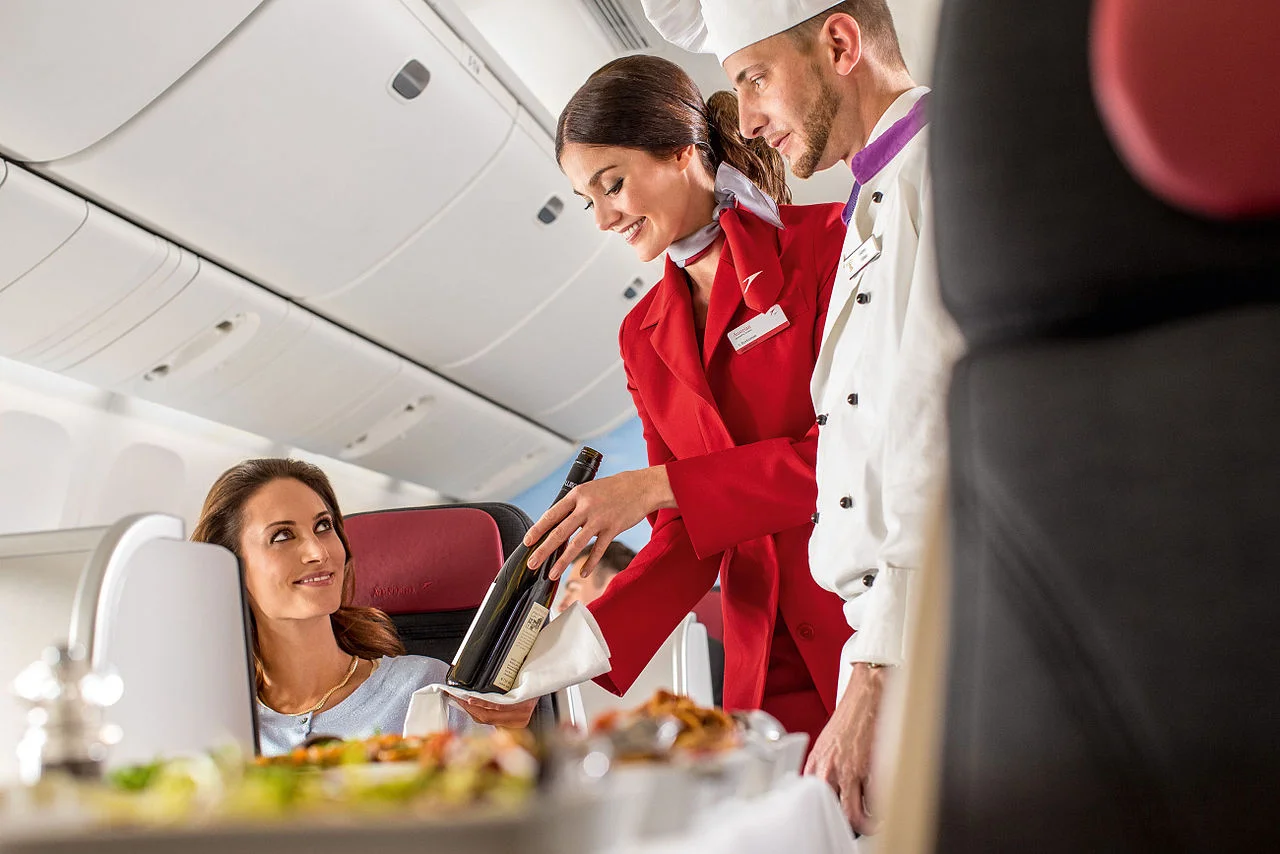
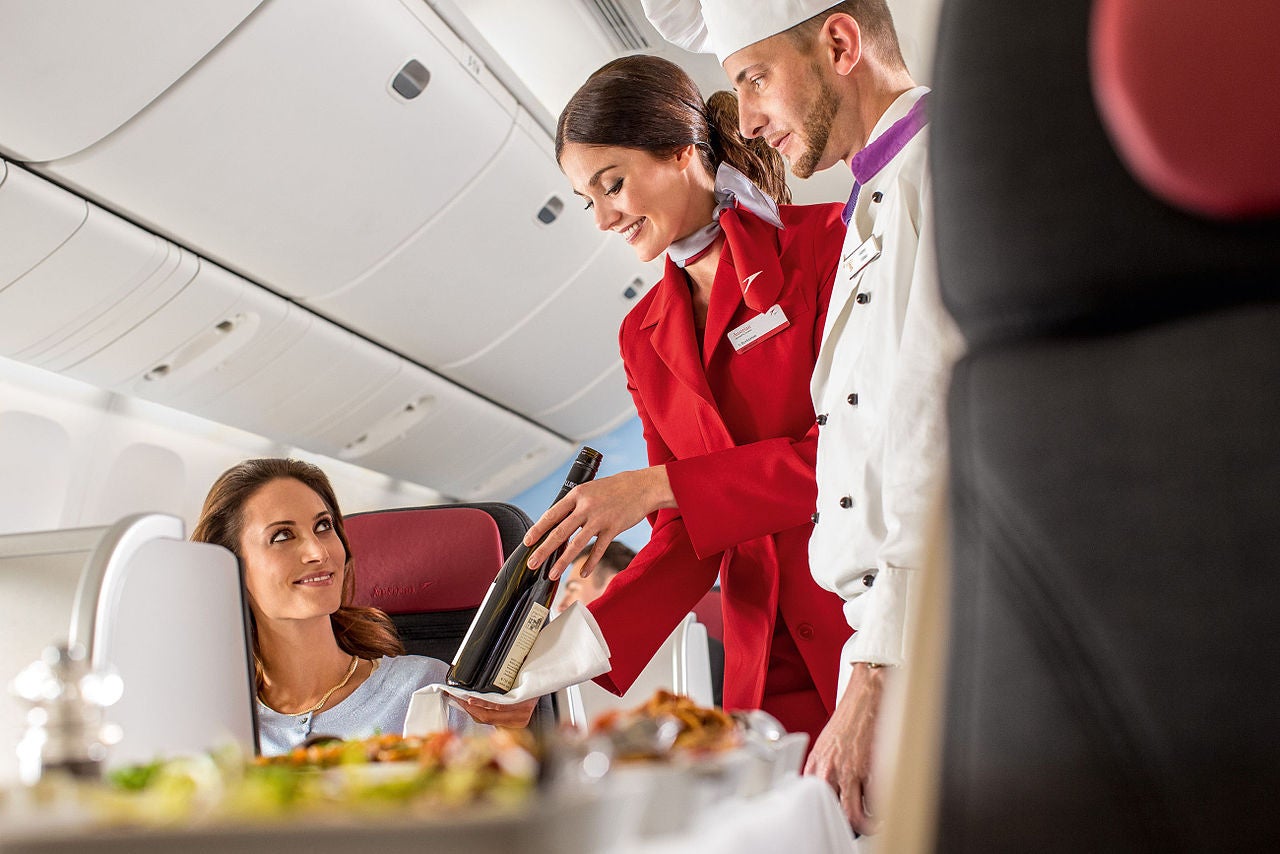
In a thought-provoking statement at a recent border security conference in Hungary, a senior manager from Swiss International Air Lines proposed that the meal preferences of passengers could serve as a subtle profiling tool for national authorities. Marina Ripa-Braescu, the airline’s facilitation and security manager, suggested that pre-ordered meals could provide insights into travelers’ backgrounds before they even arrive in a country.
The Role of Meal Choices in Passenger Profiling
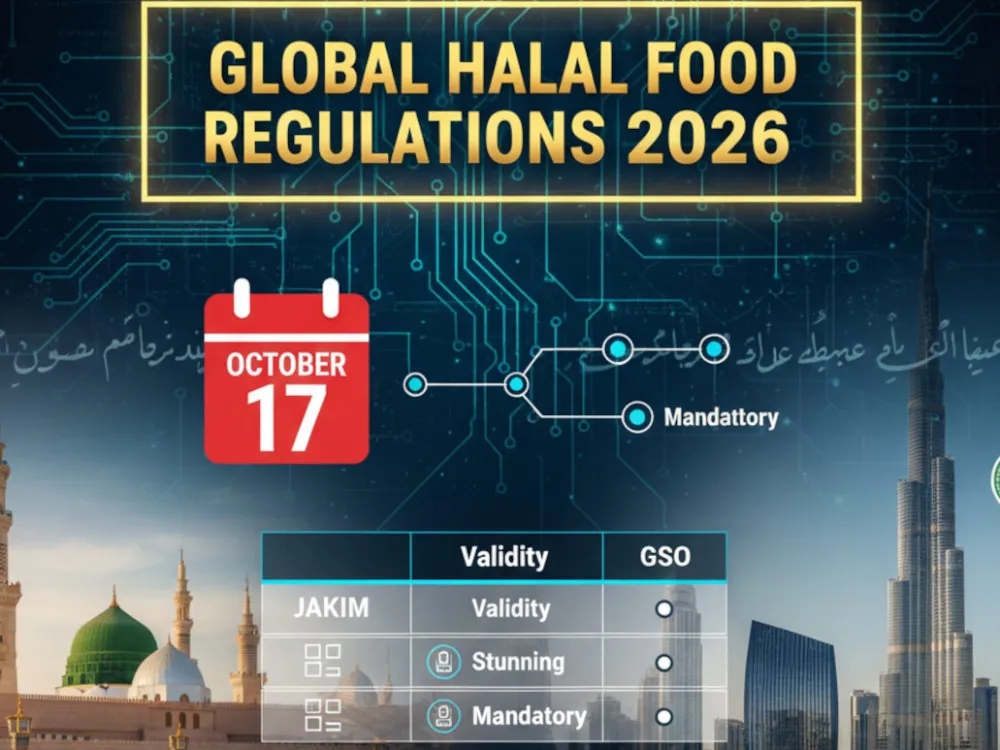
Ripa-Braescu highlighted that when passengers opt for specific meal types—such as Muslim, kosher, or vegetarian options—it offers a glimpse into their dietary preferences, potentially, and their cultural or religious identities. “For example, if they order a Muslim or kosher meal, you already start to know a little bit about that person,” she explained, referring to the halal meals available for Muslim travelers.
While Swiss International Air Lines has made it clear that it does not intend to share this information with authorities, the idea raises important questions about privacy and profiling in air travel. Currently, airlines provide governments with a wealth of data about passengers, including passport details, gender, and place of birth, but meal preferences are not included in this information.
Current Practices and Privacy Concerns
A spokesperson for Swiss International Air Lines emphasized that data implying a passenger’s religious beliefs is not shared with border agencies. “Airlines are not allowed to transmit data that may convey the religion, health, political opinion, etc., of a passenger,” they stated. This includes information about special meal requests, such as halal or kosher options.
Ripa-Braescu’s comments come in the wake of several incidents where Muslim passengers have faced scrutiny or removal from flights, raising concerns about discrimination and profiling. One notable case involved a British Muslim woman who was questioned by police after reading a book about Syrian culture on a flight home from her honeymoon.
The Need for Improved Verification Systems
During her address, Ripa-Braescu also pointed out significant flaws in the systems used to verify passenger information before travel. Many airlines do not adequately check the Advanced Passenger Information (API) provided by travelers, which typically includes essential details like name, passport number, and date of birth. She recounted an incident where Swiss received an irate call from government officials after a passenger entered “Donald Trump” as their name.
In response to these challenges, Ripa-Braescu mentioned that a major Middle Eastern airline is collaborating with Interpol to combat the use of stolen travel documents. Interpol has developed a database of stolen and lost passports to prevent individuals from traveling under false identities.
Interpol’s I-Checkit Initiative
To enhance security measures, Interpol is launching a new system called I-Checkit, designed to allow trusted partners in the private sector to conduct real-time passenger checks in collaboration with law enforcement. This initiative aims to streamline the verification process and improve the accuracy of passenger data.
The unnamed Middle Eastern airline is currently participating in a pilot project with Interpol to cross-check passenger information against its database of stolen and lost travel documents. Interpol plans to expand the I-Checkit system to include banks and hotels, with testing already underway with select companies in these sectors.
Conclusion
The discussion surrounding the potential use of meal choices as a profiling tool raises important ethical considerations about privacy, discrimination, and the balance between security and personal freedoms in air travel. As the aviation industry continues to evolve, it will be crucial for airlines and authorities to navigate these complexities thoughtfully, ensuring that the rights of all passengers are respected while maintaining safety and security. The integration of advanced verification systems like Interpol’s I-Checkit could play a vital role in enhancing travel security without compromising individual privacy.
Original Article:
Middle East Eye. (2025, April 6). Muslim meals could be used to profile passengers, airline tells authorities. https://www.middleeasteye.net/news/muslim-meals-could-be-used-profile-passengers-airline-tells-authorities