Indonesia’s Halal Cosmetics Mandate: Reshaping the Global Beauty Industry

Source: Halal Times
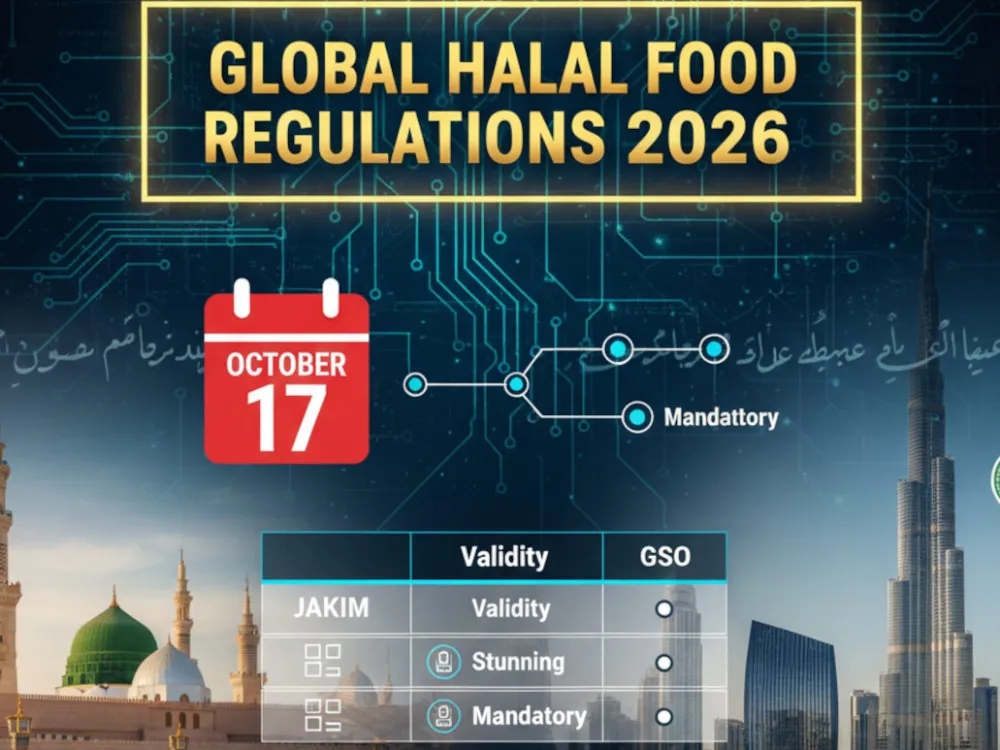
Osaka, Japan – In a significant regulatory development, Indonesia has mandated halal certification for all cosmetics sold in the country, with the implementation date set for October 18, 2024. This timeline represents an acceleration from the previously announced October 17, 2026 deadline, creating urgent compliance requirements for global beauty brands seeking to maintain their presence in the world’s largest Muslim market.
The Badan Penyelenggara Jaminan Produk Halal (BPJPH), Indonesia’s Halal Product Assurance Organizing Agency, has finalized this timeline as part of the country’s broader initiative to ensure products consumed by its predominantly Muslim population adhere to Islamic principles.
The Expanding Halal Cosmetics Market
The global halal cosmetics sector is experiencing remarkable growth, valued at $49.47 billion in 2022 and projected to reach approximately $126.94 billion by 2030, according to Data Bridge Market Research. This expansion reflects increasing demand from both Muslim consumers and a growing segment of ethically conscious shoppers worldwide who value the transparency and purity standards associated with halal certification.
Industry experts from the Personal Care Products Council (PCPC) and the American Halal Foundation (AHF) recently highlighted these trends during a collaborative webinar focusing on the evolving regulatory landscape. Natalie Obermann, Vice President of Global Strategies at PCPC, and Mohammad A. Hussaini, Director at AHF, emphasized the urgent need for cosmetic manufacturers to adapt to these regulatory changes.
Understanding Halal Appeal Beyond Religious Requirements
The appeal of halal cosmetics extends beyond religious compliance, encompassing multiple factors:
- Religious Obligation: For practicing Muslims, using halal-certified products represents adherence to religious principles in all aspects of life.
- Broader Ethical Appeal: Many non-Muslim consumers are attracted to halal cosmetics due to their association with ethical sourcing, ingredient purity, and exclusion of potentially harmful substances.
- Economic Influence: The growing purchasing power of halal consumers represents a significant market opportunity for brands offering authentic halal-certified products.
Navigating Certification Challenges
Despite initial perceptions about complexity, obtaining halal certification often aligns with existing quality control and regulatory compliance programs already implemented by most cosmetic manufacturers. The process typically focuses on:
- Verifying ingredient sources to ensure absence of prohibited substances
- Documenting supply chain integrity
- Implementing specific audit procedures
Organizations like the American Halal Foundation play a crucial role in guiding companies through certification processes. As Hussaini noted during the PCPC webinar, US-based certification agencies can significantly streamline the process for American companies seeking entry into halal markets, potentially reducing costs associated with border certifications or international inspections.
Regulatory Fragmentation and Harmonization Efforts
The global halal cosmetics market faces challenges related to divergent regulatory frameworks across different jurisdictions. While Indonesia’s mandate represents the most comprehensive regulatory transformation, other Muslim-majority regions may soon establish their own guidelines.
Industry organizations like PCPC are actively working to advocate against unnecessarily burdensome requirements while promoting more harmonized global standards. These collaborative efforts aim to develop consistent regulatory frameworks that facilitate international trade while maintaining halal integrity.
Strategic Opportunities in the Halal Beauty Space
The expanding halal cosmetics sector presents strategic opportunities for both established beauty giants and innovative newcomers:
For established brands: Pursuing halal certification can unlock access to previously underserved markets, demonstrate commitment to inclusivity, and cultivate brand loyalty among Muslim consumers.
For new entrants: Early and authentic adoption of halal compliance offers a powerful differentiation strategy in a competitive marketplace, particularly as many major brands have yet to fully embrace halal certification requirements.
Looking Forward: A More Inclusive Beauty Industry
Indonesia’s accelerated halal certification deadline serves as a clear indicator of the growing global significance of ethical and religious considerations in cosmetic formulation and marketing. As consumer demand for products aligned with both ethical principles and religious convictions continues to rise, manufacturers worldwide must adapt their strategies accordingly.
The benefits of embracing halal certification extend beyond immediate market access, offering opportunities to participate in a more inclusive, ethically grounded global beauty industry. For companies willing to invest in understanding and meeting these standards, the rapidly expanding halal cosmetics market represents not just a regulatory hurdle, but a pathway to sustainable growth and consumer trust.
Original Articles:
halaltimes.com. (n.d.). Indonesia Mandates Halal Certification for Cosmetics by 2026. Retrieved April 10, 2025, from https://www.halaltimes.com/indonesia-mandates-halal-certification-for-cosmetics-by-2026/