The Islamic Perspective on Food Product Naming: Beyond Ingredients
Source: Oki News
Kawaguchiko, Japan – In today’s rapidly evolving technological landscape, the production of goods and services has become increasingly massive, particularly in the food and beverage industry. Every day, numerous food and beverage products enter the market, compelling entrepreneurs to employ various marketing strategies to maintain their products’ relevance and popularity. These strategies can take multiple forms—some focus on quality taste, affordable pricing, creative advertising, attractive packaging, or unique product naming to make their offerings more memorable and recognizable.
The Trend of Controversial Product Naming
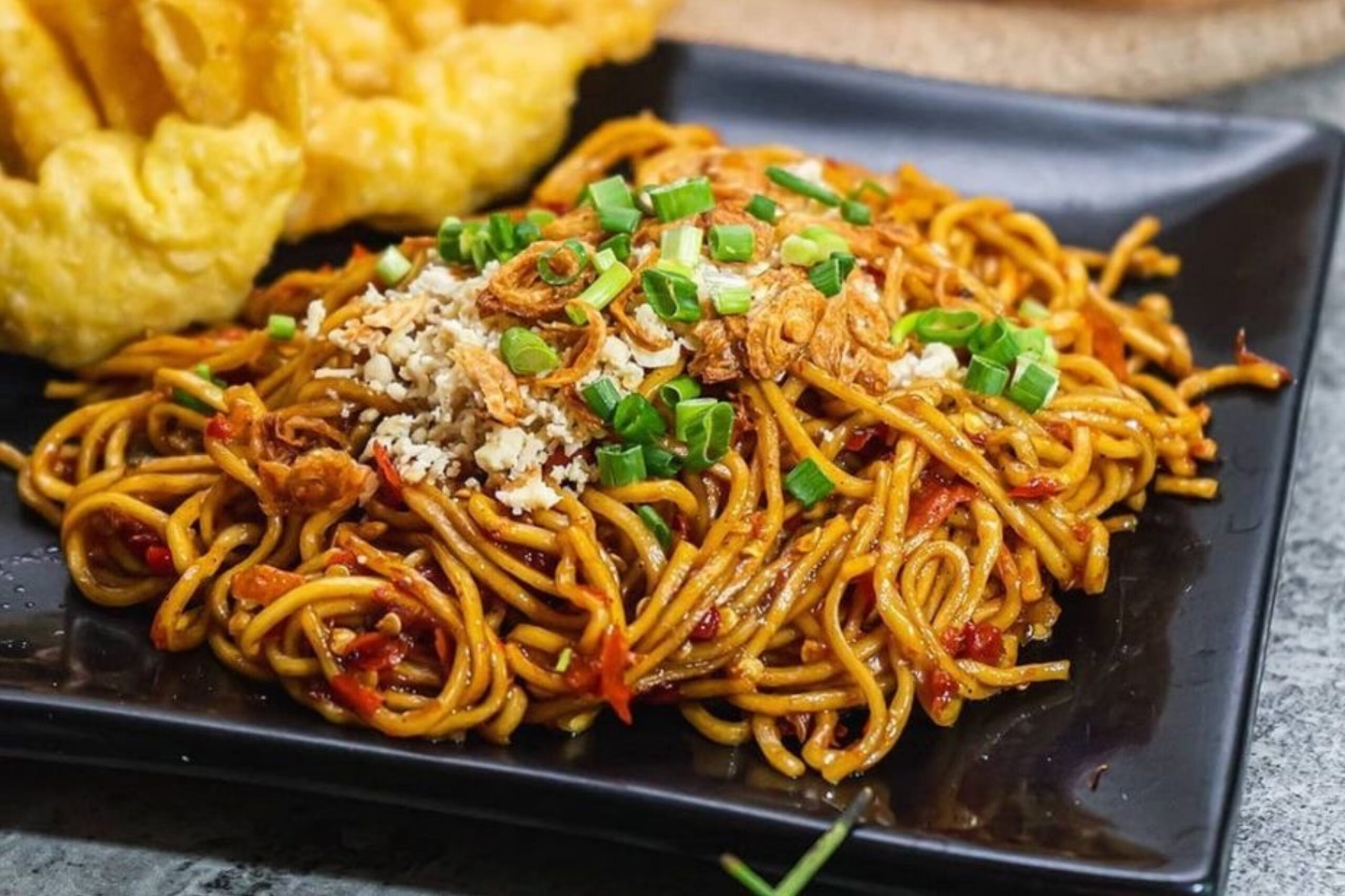
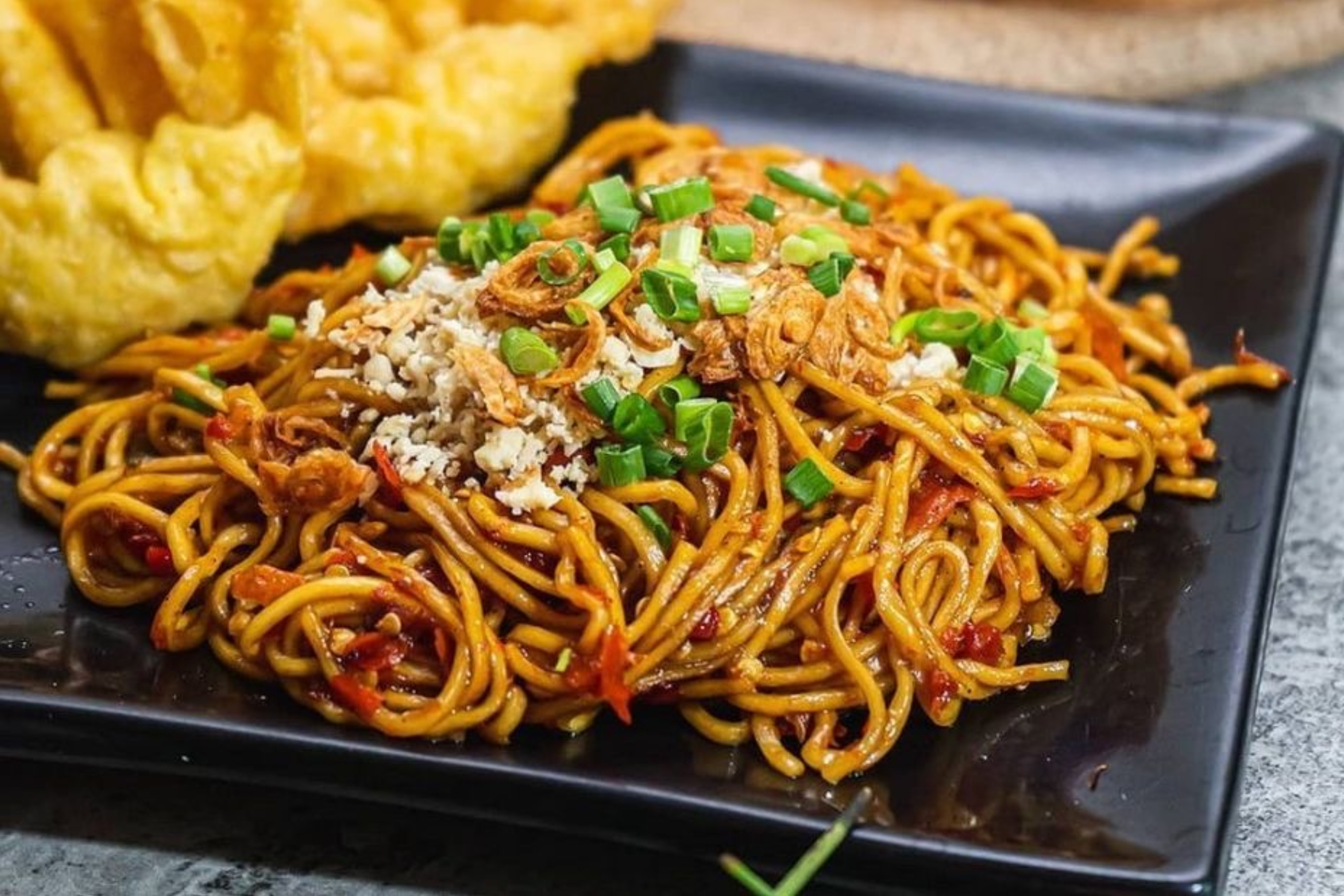
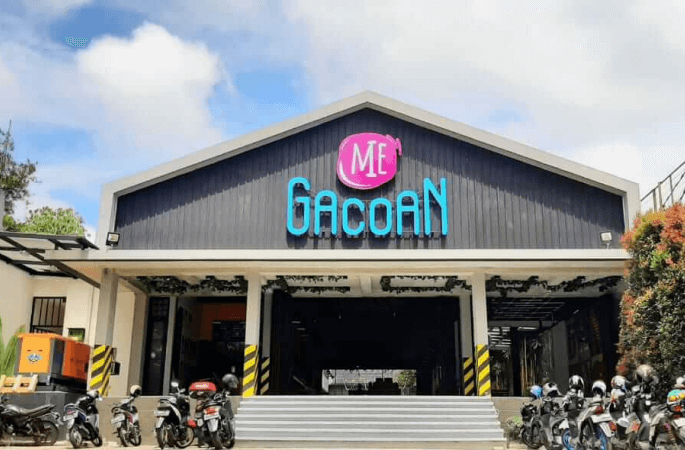
In recent years, Indonesia’s culinary industry has witnessed a surge in food and beverage products incorporating elements of the “supernatural” in their branding. A prominent example is Mie Gacoan (Gacoan Noodle), a noodle restaurant that named its products with distinctive terms like “Mie Setan” (Devil Noodles) and “Mie Iblis” (Demon Noodles). Their beverage offerings follow suit with names like “Es Pocong” and “Es Genderuwo,” referencing ghosts from Indonesian mythology.
This unique naming approach serves to highlight the distinctiveness of Mie Gacoan’s products and establish a recognizable identity among customers and the broader community. Additionally, names like “Mie Setan” and “Mie Iblis” describe the spiciness levels of the food—”Mie Setan” indicating a higher spice level than “Mie Iblis.”
Despite the creativity behind this branding strategy, it created a significant issue for the restaurant that had been operating since 2016. Mie Gacoan was unable to obtain halal certification from BPJPH (Halal Product Assurance Organizing Agency) despite using halal ingredients in their production process. Upon investigation, it was revealed that the certification was withheld because the product names were considered inappropriate and inconsistent with Islamic principles. This controversy was finally resolved when Mie Gacoan officially changed their product names on February 1, 2023.
Understanding Halal Food Requirements
What Makes Food Halal?
As Muslims, all food and beverages consumed must be halal. However, determining halal status is not as simple as it might seem. Several factors must be considered:
1. Halal in Substance
All food and beverages must come from halal raw materials not prohibited by Islamic law. Allah SWT explains which materials are forbidden in Surah Al-Maidah verse 3:
حُرِّمَتْ عَلَيْكُمُ الْمَيْتَةُ وَالدَّمُ وَلَحْمُ الْخِنْزِيْرِ وَمَآ اُهِلَّ لِغَيْرِ اللّٰهِ بِهٖ وَالْمُنْخَنِقَةُ وَالْمَوْقُوْذَةُ وَالْمُتَرَدِّيَةُ وَالنَّطِيْحَةُ وَمَآ اَكَلَ السَّبُعُ اِلَّا مَا ذَكَّيْتُمْۗ وَمَا ذُبِحَ عَلَى النُّصُبِ وَاَنْ تَسْتَقْسِمُوْا بِالْاَزْلَامِۗ ذٰلِكُمْ فِسْقٌۗ اَلْيَوْمَ يَىِٕسَ الَّذِيْنَ كَفَرُوْا مِنْ دِيْنِكُمْ فَلَا تَخْشَوْهُمْ وَاخْشوْنِۗ اَلْيَوْمَ اَكْمَلْتُ لَكُمْ دِيْنَكُمْ وَاَتْمَمْتُ عَلَيْكُمْ نِعْمَتِيْ وَرَضِيْتُ لَكُمُ الْاِسْلَامَ دِيْنًاۗ فَمَنِ اضْطُرَّ فِيْ مَخْمَصَةٍ غَيْرَ مُتَجَانِفٍ لِّاِثْمٍۙ فَاِنَّ اللّٰهَ غَفُوْرٌ رَّحِيْمٌ
“Prohibited to you are dead animals, blood, the flesh of swine, and that which has been dedicated to other than Allah, and those animals killed by strangling or by a violent blow or by a headlong fall or by being gored to death, and those from which a wild animal has eaten, except what you are able to slaughter before its death, and those which are sacrificed on stone altars…”
2. Halal in Acquisition
Beyond originating from halal ingredients, food and beverages must also be obtained through permissible means. If food is acquired through illicit methods such as theft, usury, or corruption, it becomes haram (forbidden). Allah SWT states:
يَـٰٓأَيُّهَا ٱلَّذِينَ ءَامَنُوا۟ لَا تَأْكُلُوٓا۟ أَمْوَٰلَكُم بَيْنَكُم بِٱلْبَـٰطِلِ إِلَّآ أَن تَكُونَ تِجَـٰرَةً عَن تَرَاضٍۢ مِّنكُمْ ۚ وَلَا تَقْتُلُوٓا۟ أَنفُسَكُمْ ۚ إِنَّ ٱللَّهَ كَانَ بِكُمْ رَحِيمًۭا
“O you who have believed, do not consume one another’s wealth unjustly but only through lawful trade based on mutual consent. And do not kill yourselves. Indeed, Allah is to you ever Merciful.”
3. Halal in Processing
Food must be prepared in accordance with Islamic teachings. For example, livestock must be slaughtered while pronouncing “Bismillah” and following Islamic guidelines.
4. Halal in Storage
Storage facilities must be clean and pure. Food should not be stored in unclean places or mixed with haram items.
5. Halal in Transportation and Presentation
Both transportation and presentation methods must also adhere to halal standards.
Beyond Halal: The Importance of “Thayyib”
Muslims must ensure that their food and beverages are not only halal but also “thayyib” (good and wholesome). Thayyib refers to food that brings benefits to the consumer—for their body, wealth, and mind. A dish may be halal but not necessarily thayyib. For instance, potato chips are halal, but excessive consumption can cause health issues. Similarly, halal food purchased extravagantly might not be thayyib as it leads to wastefulness.
The Controversy of Naming Products
Source: BFI Finance
Islamic Perspective on Product Naming
Regarding the case of Mie Gacoan discussed earlier, if the products are made with halal ingredients and production processes, and consumed in reasonable amounts, they technically meet the standards of halal and thayyib food. However, the issue arises with the naming of these products.
Fundamentally, Islam does not explicitly prohibit naming food and beverages with terms considered inappropriate. Halal status primarily depends on ingredients, production processes, and presentation. Moreover, naming food with negative connotations like “devil” has historical precedents, such as “ghost chili.” Such naming conventions do not diminish the halal status of the food, especially when they have become customary traditions passed down through generations.
Nevertheless, naming food and beverages with negatively connotated words is considered a violation of Islamic business ethics. Islam encourages giving good names to everything. Allah SWT has provided examples through the Asmaul Husna (beautiful names of Allah), which can serve as perfect characteristics for product naming: beautiful, clear, easily recognizable, concise, and memorable. The command to use good appellations is also explained in Surah Al-Hujurat verse 11:
يٰٓاَيُّهَا الَّذِيْنَ اٰمَنُوْا لَا يَسْخَرْ قَوْمٌ مِّنْ قَوْمٍ عَسٰٓى اَنْ يَّكُوْنُوْا خَيْرًا مِّنْهُمْ وَلَا نِسَاۤءٌ مِّنْ نِّسَاۤءٍ عَسٰٓى اَنْ يَّكُنَّ خَيْرًا مِّنْهُنَّۚ وَلَا تَلْمِزُوْٓا اَنْفُسَكُمْ وَلَا تَنَابَزُوْا بِالْاَلْقَابِۗ بِئْسَ الِاسْمُ الْفُسُوْقُ بَعْدَ الْاِيْمَانِۚ وَمَنْ لَّمْ يَتُبْ فَاُولٰۤىِٕكَ هُمُ الظّٰلِمُوْنَ
“O you who have believed, let not a people ridicule another people; perhaps they may be better than them; nor let women ridicule other women; perhaps they may be better than them. And do not insult one another and do not call each other by offensive nicknames. Wretched is the name of disobedience after faith. And whoever does not repent – then it is those who are the wrongdoers.”
Regulatory Framework for Halal Products in Indonesia

Source: Indozone News
The halal culinary industry in Indonesia operates according to halal standardization in Islamic teachings, closely monitored by LPPOM MUI (Assessment Institute for Foods, Drugs and Cosmetics of the Indonesian Council of Ulama) and BPJPH. LPPOM MUI, operating under the Indonesian Ulama Council, conducts audits and technical assessments of product halal status, while BPJPH, under the Ministry of Religious Affairs, serves as the regulator managing administration and issuing halal certificates. Through their collaboration—LPPOM MUI as the halal inspection body and BPJPH as the certification authority—the halal status of culinary products in Indonesia can be comprehensively guaranteed, both from religious and regulatory perspectives. This is demonstrated through the issuance of Law Number 33 of 2014 concerning Halal Product Assurance.
Official Guidelines on Product Naming
Beyond overseeing halal product assurance in Indonesia, LPPOM MUI and BPJPH are also responsible for ensuring that the halal culinary industry adheres to Islamic business ethics. This is reinforced by the Director of LPPOM MUI’s Decree SK46/Dir/LPPOM MUI/XII/14, which specifies products that cannot be halal certified, including:
1. From the perspective of product naming, products that cannot be certified include those with names containing:
-
- References to Satan
- Terms promoting disbelief or falsehood
- Words with erotic or vulgar connotations
- Names of alcoholic beverages
- References to pigs, dogs, or their derivatives
Examples include “Rawon Setan,” “Es Pocong,” “Valentine’s Chocolate,” “Christmas Biscuits,” “Gong Xi Fa Cai Noodles,” “Rootbeer,” “0% Alcohol Beer,” “Roast Pork,” and “Beef Bacon,” even if these products use halal ingredients. However, exceptions exist for products that have become traditional (‘Urf) and are widely recognized not to contain forbidden elements, such as “Bir Pletok,” “Bakso,” “Bakmi,” “Bakwan,” “Bakpia,” and “Bakpao.”
2. From the perspective of product form, products that cannot be certified include those shaped like pigs and dogs, or products/packaging labels that are erotic, vulgar, and/or pornographic.
The Distinction Between Halal Status and Halal Certification
Understanding the Paradox
Products with controversial or inappropriate names present an interesting paradox in Islamic consumer guidelines. From a purely religious perspective, a product can be considered inherently halal as long as its ingredients and production processes adhere to Islamic requirements. However, such products may still be denied halal certification by official bodies like BPJPH and LPPOM MUI due to their naming conventions.
This distinction is critical to understand: the intrinsic halal status of a food item (based on ingredients and processing) exists independently of whether it receives official halal certification (which considers additional factors including naming).
The Purpose Behind Naming Restrictions
The policy restricting halal certification for products with inappropriate names serves several important purposes:
- Preserving Islamic Values and Ethos: By refusing certification to products with names referencing satanic elements, vulgar concepts, or forbidden items, regulatory bodies aim to maintain the dignity and ethical standards promoted in Islamic teachings.
- Promoting Comprehensive Islamic Business Ethics: The restrictions encourage Muslim entrepreneurs to consider all aspects of their business—including marketing and branding—from an Islamic perspective, rather than focusing solely on technical compliance with halal ingredient requirements.
- Protecting Consumer Religious Sensibilities: Many Muslim consumers might feel uncomfortable purchasing or consuming products with names that contradict Islamic values, even if the products themselves contain no forbidden ingredients.
- Maintaining Consistency in Religious Guidance: The policy creates a unified standard that prevents confusion about what constitutes appropriate Islamic consumer behavior.
- Cultural and Social Development: By guiding businesses toward more appropriate naming conventions, these policies help shape a commercial environment that better reflects Islamic cultural values.
Practical Implications
For businesses like Mie Gacoan, this distinction creates a significant practical challenge. While their products may be technically halal in composition, the inability to obtain official halal certification can:
- Limit their market reach among conscientious Muslim consumers
- Create trust issues with potential customers
- Place them at a competitive disadvantage against certified alternatives
- Result in regulatory complications in regions where halal certification is mandated
This explains why Mie Gacoan ultimately decided to rename their products in February 2023, prioritizing access to official halal certification over maintaining their controversial but memorable branding strategy.
Conclusion
The broader philosophical principle at work is that Islamic dietary guidelines encompass more than just technical compliance with ingredient lists—they extend to fostering an environment of reverence, respect, and ethical behavior throughout the entire production and marketing process. Product naming is considered an integral part of this holistic approach to halal business practice.
Through these policies, regulatory bodies aim to cultivate a commercial ecosystem where Islamic principles are reflected not just in what consumers eat, but in how those products are presented, marketed, and integrated into daily life. This decree serves as a guideline for Muslim culinary business practitioners to consider names and products carefully before starting their businesses. Islam is reflected through its adherents; therefore, Muslim business practitioners should follow Islamic law by producing food and beverages that are halal, thayyib, and in accordance with Islamic business ethics.
References:
Mayangsari, P. A., & Khasanah, K. (2021). Tinjauan Hukum Islam Terhadap Praktik Penggunaan Label Produk Makanan yang Menggunakan Kata Menyeramkan di Pekalongan. el_hisbah, 1(2).
Syarif, S. A. (2024). KEHALALAN PRODUK MAKANAN DARI SISI PENAMAANNYA MENURUT HUKUM ISLAM (Studi Kasus Mie Gacoan). Journal of Scientech Research and Development, 6(1), 658-665.
LPPOM MUI. (2014). Decree of the Director of LPPOM MUI Number SK46/Dir/LPPOM MUI/XII/14 concerning the Halal Assurance System (HAS). Indonesian Council of Ulama.