Texas Muslim Community’s Development Vision Encounters Political Obstacles

Source: Halal Times
Kawaguchiko, Japan – In the rolling prairies where Collin and Hunt counties converge in North Texas, an ambitious 402-acre development known as EPIC City has become the center of a contentious debate about religious freedom, community development, and political interference.
A Comprehensive Vision
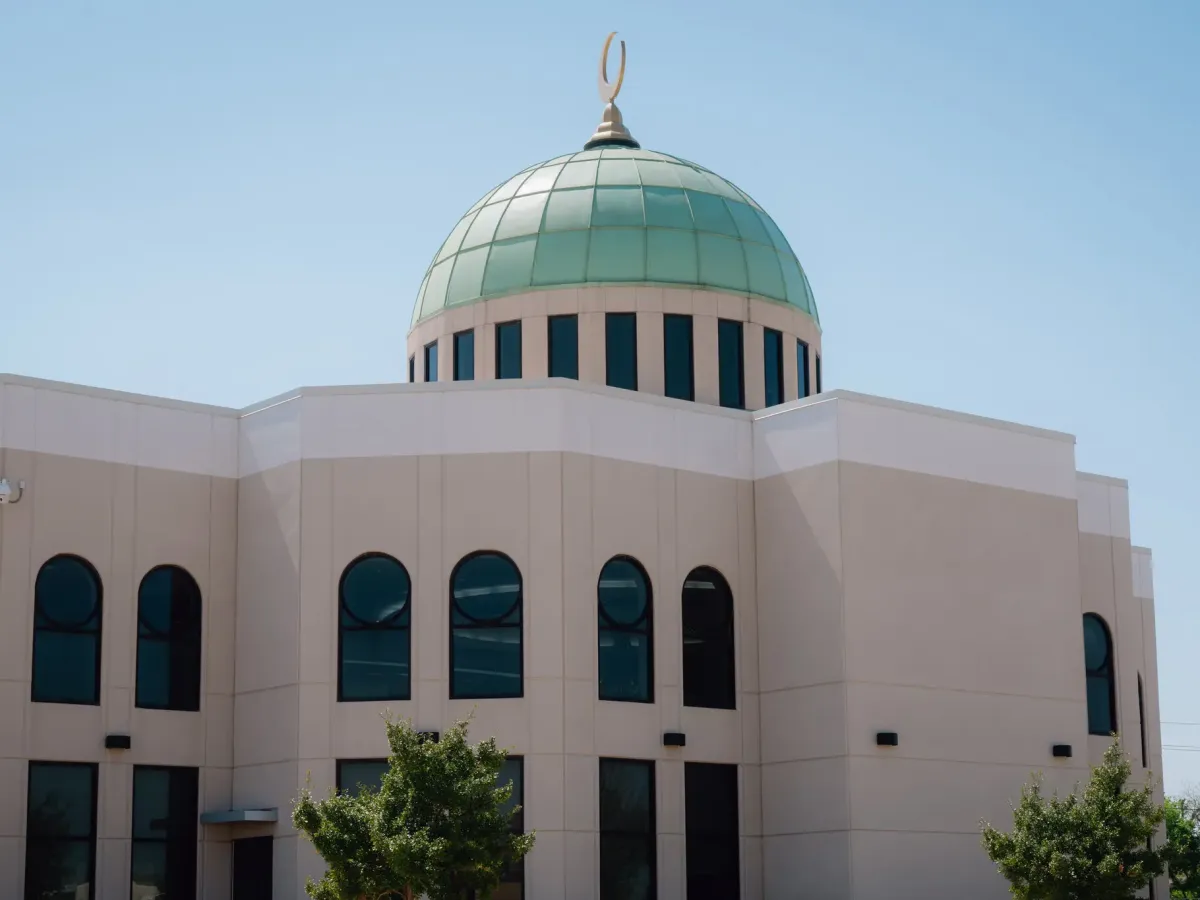
The East Plano Islamic Center (EPIC) has proposed a multifaceted community that would include over 1,000 homes, educational facilities from kindergarten through community college, a mosque, retail establishments, healthcare clinics, recreational areas, and senior living accommodations. This comprehensive project aims to create an inclusive neighborhood that contributes positively to Texas’s economic and cultural landscape.
Under the guidance of Yale-educated theologian Yasir Qadhi, EPIC’s resident scholar, the development is being managed by Community Capital Partners with a focus on creating spaces where families of various backgrounds can flourish together.
“This is about being good neighbors,” Qadhi recently told congregants at EPIC’s Plano mosque. “We’re building for Texas, with Texas.”
The development could significantly boost the local economy in Collin County, one of the nation’s fastest-growing areas, which has experienced a 66 percent population increase since 2010. The construction, education, and retail components alone would generate substantial economic activity.
Governmental Response Raises Concerns
Despite the project’s potential benefits, Texas Governor Greg Abbott has initiated extensive investigations into the development. In February, the governor posted on social media platform X about “Sharia cities” and “no-go zones”—characterizations that EPIC representatives say fundamentally misrepresent their transparent community-building intentions.
The governor’s administration has deployed approximately twelve state agencies to examine the project’s permits and zoning compliance. Critics view this level of scrutiny as disproportionate compared to similar developments with different religious affiliations.
Tensions escalated on March 27 when the Texas Funeral Service Commission issued a cease-and-desist order against EPIC, alleging operation of an unlicensed funeral home. EPIC maintains they have partnered with Rahma Funeral Home, a licensed provider, for these services. The disruption has affected religious burial practices for community members like Plano resident Amina Khan.
“We just wanted to bury my husband with dignity,” Khan said. “Why target us?”
Questions of Equal Treatment
The Council on American-Islamic Relations (CAIR) has characterized Governor Abbott’s actions as spreading “hateful misinformation.” Mustafaa Carroll, CAIR’s Texas director, suggested the scrutiny reflects political motivations rather than legitimate regulatory concerns.
“This isn’t about law—it’s about fearmongering to score political points,” Carroll stated.
Legal representatives for EPIC, including attorney Dan Cogdell, have emphasized that the project complies with all applicable laws and represents core American values of religious freedom and community development. Supporters note that Christian-themed developments in Central Texas have not faced comparable levels of government intervention.
Community Resilience
For EPIC’s members, the controversy has created practical challenges. Children have reportedly faced bullying at school, and community gatherings now require additional security measures. Nevertheless, the community remains committed to their vision.
“This is our home, and we’re building for our kids’ future,” Mohammad Tariq, an EPIC board member, told attendees at a recent prayer service.
On social media, supporters have rallied around the hashtag #StandWithEPIC, encouraging the governor to reevaluate his position on the development.
Looking Forward
The situation highlights broader questions about Texas’s changing demographics and how communities of faith can participate in shaping the state’s future. By 2030, Texas is projected to become a minority-majority state, making inclusive development models increasingly relevant.
EPIC representatives maintain they welcome appropriate oversight while requesting that evaluations be conducted fairly and without prejudice. They emphasize that EPIC City is designed as an integrated community rather than an isolated enclave, and that its success would benefit residents throughout the region regardless of their religious background.
As this controversy continues, the outcome may establish important precedents about religious freedom, community development rights, and the limits of governmental intervention in Texas and potentially beyond.
Original Articles:
halaltimes.com. (n.d.). In Texas, a Muslim Community’s Visionary Project Faces Unfair Scrutiny. Retrieved April 16, 2025, from https://www.halaltimes.com/in-texas-a-muslim-communitys-visionary-project-faces-unfair-scrutiny/