The Architect of Malaysia’s Halal Revolution: Remembering Tun Abdullah Ahmad Badawi
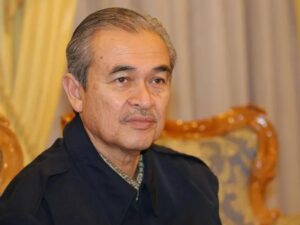
Source: Halal Times
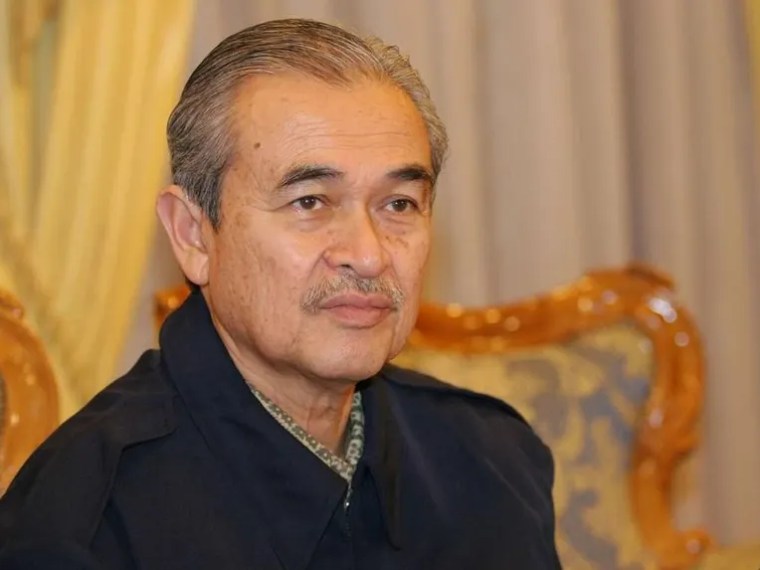
Kawaguchiko, Japan — The nation of Malaysia mourns the loss of a visionary leader as Tun Abdullah Ahmad Badawi, former prime minister and pioneer of the country’s halal industry, died yesterday at 85. His family announced his passing, triggering waves of condolences from dignitaries and citizens alike who celebrated his transformative impact on Malaysia’s economy and its position in the global Islamic marketplace.
Affectionately called “Pak Lah” by Malaysians, Abdullah’s tenure as prime minister from 2003 to 2009 was characterized by ambitious initiatives that elevated halal certification from a religious requirement to a pivotal economic driver. His groundbreaking work earned him recognition as the “Father of Malaysia’s Halal Industry,” establishing frameworks that continue to power the nation’s $40 billion halal sector today.
Transforming Religious Practice into Economic Opportunity
Abdullah’s most significant achievement was recognizing the untapped potential of the halal market serving 1.9 billion Muslims worldwide. With remarkable foresight, he positioned Malaysia as the global authority on halal standards and innovation. Under his leadership, the Department of Islamic Development Malaysia (JAKIM) was strengthened and designated as the country’s exclusive halal certification body, creating a system whose credibility made Malaysia’s halal logo internationally respected.
The establishment of the Halal Industry Development Corporation (HDC) in 2006 marked a watershed moment in Malaysia’s economic strategy. This pioneering agency coordinated halal policy implementation, investment attraction, and product innovation through the comprehensive National Halal Masterplan, integrating halal principles across agricultural production, manufacturing processes, and international trade relations.
Abdullah’s vision extended beyond national borders when he inaugurated the World Halal Forum in 2006, now operating as the World Halal Business Conference (WHBC). This platform facilitated crucial discussions on global standards and trade practices. He also launched the Malaysia International Halal Showcase (MIHAS), which has evolved into one of the world’s premier halal trade exhibitions.
Former Prime Minister Datuk Seri Ismail Sabri noted on social media that “Abdullah envisioned halal as more than dietary requirements—he saw it as a powerful bridge between diverse economies and cultures.”
Comprehensive National Development Initiatives
Abdullah’s leadership encompassed broad economic development beyond the halal sector. His administration introduced the Malaysia Economic Corridor Program, a comprehensive initiative spearheaded by sovereign wealth fund Khazanah Nasional that established five strategic development zones: Iskandar Malaysia in the southern region, the Northern Corridor Economic Region, the East Coast Economic Region, and dedicated corridors for Sabah and Sarawak. Each corridor incorporated halal industrial parks and specialized economic zones, strengthening the nation’s integrated halal ecosystem.
His policies modernized agricultural practices, empowered small and medium enterprises, and prioritized rural development with particular attention to food security. Abdullah expanded higher education access, elevating Malaysia’s academic standing globally, while simultaneously developing Islamic finance infrastructure that positioned the country as a leader in sharia-compliant banking and investment.
Champion of Moderate Islam and International Cooperation
In international affairs, Abdullah advocated for moderation and unity. During his chairmanship of the Organisation of Islamic Cooperation (OIC) in 2003, he promoted economic reforms, educational advancement, and halal industry collaboration among Muslim-majority nations. His commitment to interfaith dialogue and cooperation between developing countries earned him recognition as a unifying figure in an increasingly divided world.
“Abdullah demonstrated that religious values and economic progress are compatible partners,” remarked Dr. Aisha Rahman, a Kuala Lumpur-based halal industry expert. “His pioneering work in halal certification systems and Islamic financial structures not only advanced Malaysia but provided a blueprint for Muslim communities worldwide.”
An Enduring Influence
Abdullah’s passing comes as Malaysia’s halal industry continues its upward trajectory, poised to contribute significantly to the global halal market’s projected $3 trillion valuation by 2028. The institutional framework he established—through JAKIM, HDC, WHBC, and MIHAS—remains robust, ensuring Malaysia’s continued leadership in halal governance, innovation, and market development.
Social media platforms filled with tributes highlighting Abdullah’s humble demeanor and unwavering dedication. One user commented, “Pak Lah transformed halal certification into a source of national pride for Malaysia. His legacy lives on in every certified product we purchase.”
Abdullah’s family has requested privacy as they grieve. Government officials are expected to announce state funeral arrangements shortly. As the nation reflects on his contributions, his vision of a progressive, unified Malaysia founded on religious principles and economic innovation continues to inspire.
For the global Muslim community, Abdullah’s work ensures that halal certification represents more than regulatory compliance—it embodies trust, quality assurance, and shared values. His lifetime of service demonstrates how visionary leadership can transform not only a nation’s economy but also its global influence and cultural identity.
Original Articles:
halaltimes.com. (n.d.). Father of Malaysia’s Halal Industry Leaves a Lasting Legacy. Retrieved April 29, 2025, from https://www.halaltimes.com/father-of-malaysias-halal-industry-leaves-a-lasting-legacy/