Understanding the Distinction: Halal versus Non-Halal Emulsifiers
Source: NOREX
Kawaguchiko, Japan – While many consumers practicing halal dietary guidelines focus primarily on obvious ingredients like meat sources and alcoholic content, smaller components like emulsifiers often escape attention. These seemingly minor ingredients play a crucial role in determining whether products align with halal standards. This comprehensive guide explores the fundamental differences between halal and non-halal emulsifiers and provides practical guidance for making informed purchasing decisions.
The Essential Role of Emulsifiers
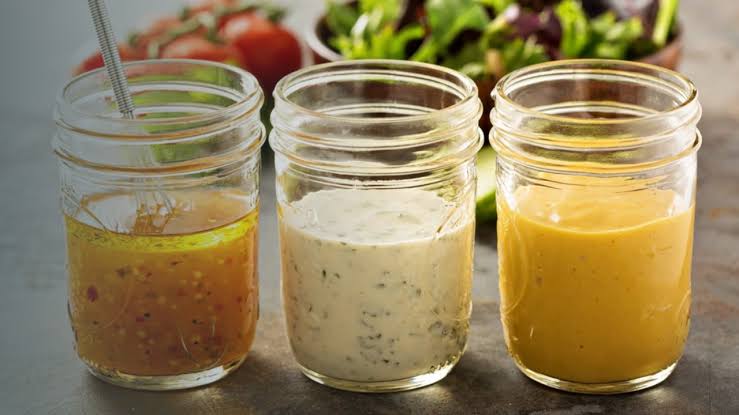
Emulsifiers serve as vital additives in numerous food and pharmaceutical formulations, functioning as binding agents that seamlessly combine otherwise incompatible liquids. Without these crucial components, many everyday products—from salad dressings and margarine to chocolates, baked goods, and certain medications—would exhibit significantly different textures, consistencies, and flavor profiles. However, an important distinction exists: not all emulsifiers meet halal requirements.
Halal-Compliant Emulsifiers
Emulsifiers that conform to halal standards are manufactured in strict accordance with Islamic dietary guidelines. These compliant additives typically originate from:
- Plant-based sources
- Marine-derived ingredients
- Synthetic materials with no haram components
These halal-appropriate emulsifiers contain no prohibited substances and are therefore suitable for consumption by those following halal dietary practices. Common examples include:
- Soy lecithin
- Agar-agar
- Carrageenan
These ingredients serve as excellent natural alternatives that maintain product quality while ensuring halal compliance.
Non-Halal Emulsifiers: What to Avoid
In contrast, non-halal emulsifiers frequently contain animal derivatives, particularly from pork or improperly processed beef sources, rendering them unsuitable for halal consumption. When reviewing product labels, be vigilant about ingredients such as:
- Monoglycerides
- Polysorbates
- Diglycerides
These common emulsifiers often have non-halal origins and require careful verification before purchase.
Practical Identification Strategies
Identifying halal-compliant emulsifiers can present challenges, as ingredient lists alone may not provide sufficient information about sourcing. Some emulsifiers, like gelatin, can be derived from multiple sources, making their halal status difficult to determine without additional information. Consider these practical approaches:
1. Verify Halal Certification
The most reliable method for ensuring halal compliance is to look for certification symbols from recognized halal authorities on product packaging. Certified products undergo thorough inspection processes that verify all ingredients, including emulsifiers, meet halal requirements.
2. Conduct Ingredient Research
When encountering unfamiliar emulsifiers or uncertified products, perform additional research. Online resources can provide valuable information about ingredient sources and processing methods. Alternatively, contact manufacturers directly to request specific information about their emulsifiers’ origins.
3. Choose Plant-Based Alternatives
Products explicitly labeled as containing plant-derived ingredients generally offer a safer option for halal-conscious consumers, as they avoid potential animal-sourced components altogether.
Maintaining Halal Integrity
Understanding the distinction between halal and non-halal emulsifiers is essential for anyone committed to following halal dietary principles. Though these ingredients may seem insignificant due to their small quantities, they significantly impact a product’s overall halal status.
Developing awareness about ingredient sources empowers consumers to make informed decisions when shopping or dining out. By seeking halal certification from reputable organizations, you can ensure your dietary choices remain aligned with halal guidelines.
Original Articles:
halalfocus.com. (n.d.). Halal Emulsifiers vs. Non-Halal Emulsifiers: What is the Difference?. Retrieved May 2, 2025, from https://halalfocus.com/halal-emulsifiers-vs-non-halal-emulsifiers-what-is-the-difference/