Kazakhstan Implements Public Ban on Face-Covering Garments Amid Regional Secular Push
Source: Halal Times
JAKARTA – Kazakhstan has enacted controversial legislation restricting face-covering attire in public spaces, marking the latest development in Central Asia’s ongoing tension between religious expression and state secularism.
President Kassym-Jomart Tokayev formally approved the legislation on Monday, establishing a comprehensive prohibition on garments that prevent facial identification across all public venues throughout the nation.
Scope of New Restrictions
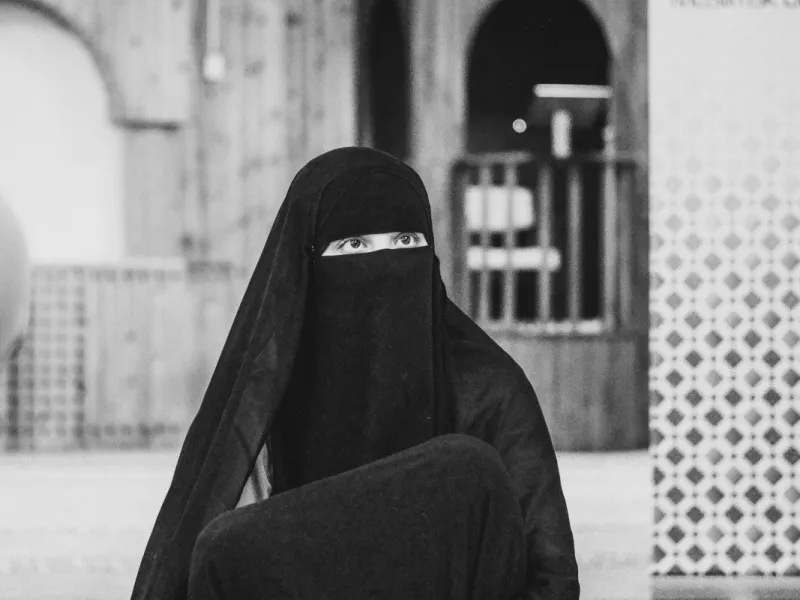
The legislation encompasses a wide range of public spaces, including government facilities, educational institutions, public transit systems, and streets. While the law avoids specifically naming religious garments, its language clearly targets the niqab and similar face-covering attire worn by some Muslim women.
The bill defines prohibited clothing as any garment that “interferes with facial recognition,” establishing a broad framework that authorities can apply to various forms of face-covering dress.
Regional Pattern of Secular Enforcement
This policy decision places Kazakhstan alongside several neighboring countries that have adopted similar measures as part of broader secularization initiatives across Central Asia.
Tajikistan enacted a comprehensive hijab ban in 2024, with government officials citing concerns about protecting national identity from what they characterized as external religious influences. The policy drew widespread condemnation from human rights organizations and Muslim advocacy groups.
Both Uzbekistan and Kyrgyzstan have implemented various forms of restrictions on Islamic dress, employing either formal legal prohibitions or informal enforcement practices that discourage public displays of Islamic identity, particularly affecting women’s religious expression.
Educational Sector Restrictions
The trend extends beyond Central Asia, with Egypt’s Ministry of Education announcing similar restrictions within academic settings this year. Egyptian authorities continue to permit hijab wearing in schools while specifically prohibiting the niqab, arguing that face-covering garments hinder classroom communication and learning environments.
Education officials emphasized their goal of creating more interactive and inclusive educational spaces, though this explanation failed to satisfy many within Egypt’s conservative religious communities.
Government Rationale
Kazakh officials have defended the new legislation by emphasizing security considerations and administrative requirements for facial identification in public settings. Proponents argue the measure will improve public safety protocols, facilitate identification processes, and strengthen social cohesion.
President Tokayev, who has advocated for moderate secular governance since assuming office in 2019, has previously emphasized Kazakhstan’s commitment to maintaining its secular constitutional framework, which prevents any single religion from dominating public life.
Government representatives characterize the law as religiously neutral, designed to maintain what they describe as a “contemporary, civic-focused public environment” where facial identification serves essential functions in administration, law enforcement, and public service delivery.
Community Opposition
The legislation has generated significant criticism from religious leaders, civil rights advocates, and members of Kazakhstan’s Muslim community, who view it as part of systematic government interference in religious practices.
Despite officially recognizing Islam as a traditional religion – with approximately 70% of the population identifying as Muslim – Kazakhstan maintains strict oversight of religious institutions and expression. The state certifies religious leaders and closely regulates Islamic education.
One local religious scholar, speaking anonymously, criticized the policy as “another effort to diminish Islamic identity under the pretense of maintaining public order,” noting that women who choose face-covering attire do so based on personal religious conviction.
International observers have raised concerns that Kazakhstan’s actions may violate fundamental rights to religious freedom and personal expression protected under international human rights agreements to which the country is a signatory.
Global Context
Kazakhstan’s ban occurs within a broader international discussion about Islamic dress in secular societies. European nations including France, Belgium, Austria, and Denmark have implemented comparable restrictions in recent years, typically citing security concerns, women’s rights, or secular value preservation.
Critics argue such policies disproportionately impact Muslim women and contribute to rising anti-Islamic sentiment rather than promoting genuine social integration or equality.
The situation in Kazakhstan – a Muslim-majority nation with Soviet secular heritage – presents particularly complex dynamics. The government seeks to maintain civic neutrality while risking alienation of practicing Muslims who feel their religious obligations are being criminalized.
Implementation Questions
Kazakh authorities have not yet detailed enforcement mechanisms or specified penalties for violations. The government has also not addressed how the law will apply to foreign visitors or residents who wear niqab or similar coverings.
Broader Implications
As the legislation takes effect, it will likely attract increased attention from human rights organizations, Muslim advocacy groups, and international observers monitoring how Muslim-majority governments navigate the balance between secularism, security, and religious freedom.
Kazakhstan now joins an expanding group of nations where Islamic identity expression – particularly women’s religious dress – has become a contested issue in debates over modernity, faith, and state authority.
The long-term impact of this policy on Kazakhstan’s social cohesion and international relationships remains to be seen, as the country continues to define its approach to religious diversity within a secular governmental framework.
Original article:
halaltimes.com. (n.d.). Kazakhstan Bans Face-Covering Attire (Niqab) in Public. Retrieved July 2, 2025, from https://www.halaltimes.com/kazakhstan-bans-face-covering-attire-niqab-in-public/