‘Modest fashion’ headed for mainstream despite political hostility, say experts
Rising demand for conservative clothing styles amid ongoing political debates over Islamic dress
Growing Market Despite Political Opposition
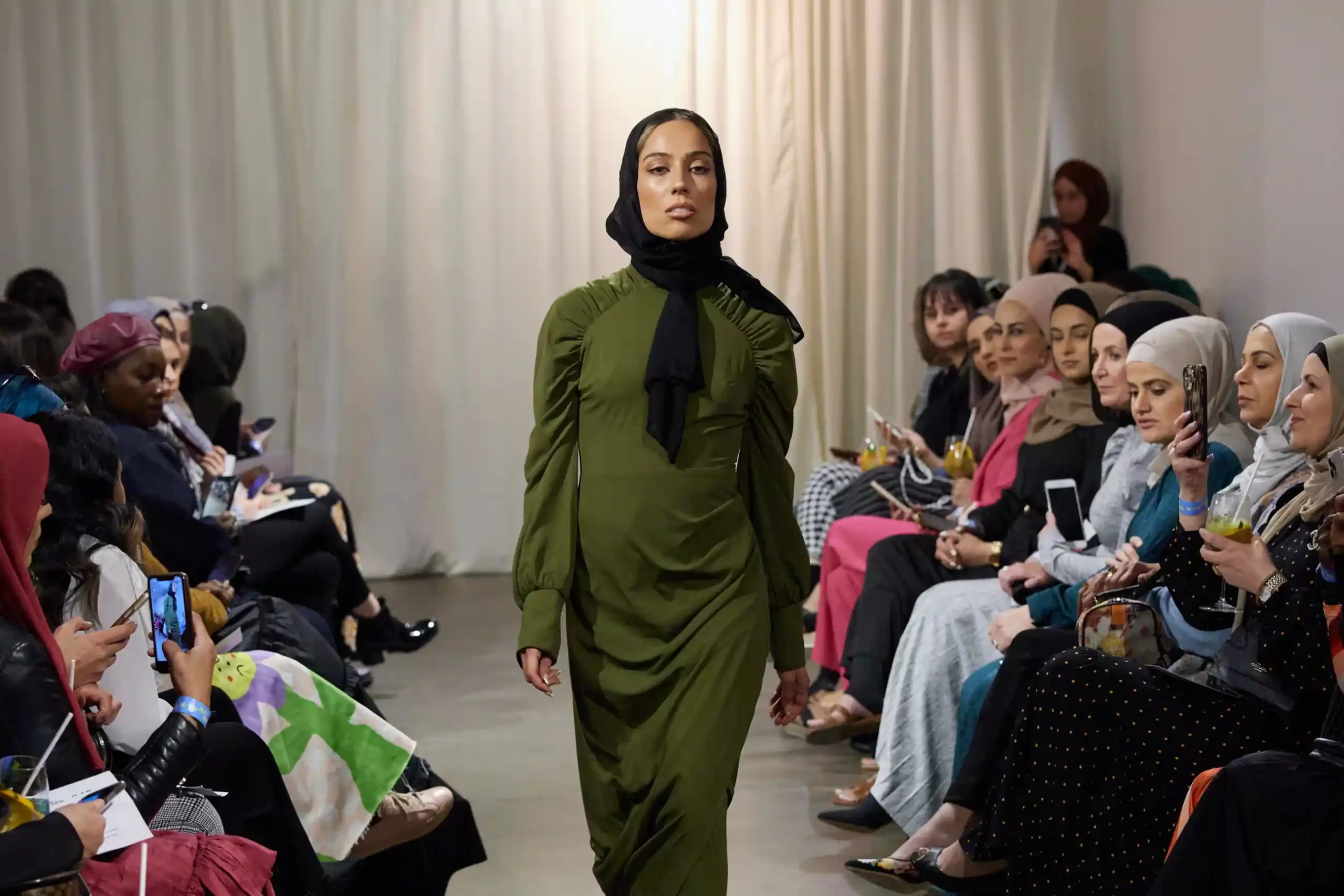
Fashion inspired by Islamic and other religious traditions is projected to achieve global mainstream status, despite political criticism targeting the burqa and hijab. The expansion of “modest fashion” is being driven by social media influencers, luxury brands, and major technology platforms.
Political Tensions Over Religious Dress
Conservative leader Kemi Badenoch has suggested employers should have the right to prohibit staff from wearing face coverings, though she opposes a government-imposed ban. Her statements followed Reform MP Sarah Pochin’s question to Prime Minister Keir Starmer about implementing a burqa ban similar to France’s approach. France recently proposed banning children under 15 from wearing hijabs and prohibited girls in state schools from wearing abayas in 2023.
Research Reveals Market Expansion
Bath Spa University research identified “persistent and growing demand” for modest fashion internationally, characterized by looser-fitting garments covering limbs with high necklines. This trend is primarily driven by Muslim consumers and Instagram users, with Amazon and Farfetch leading the affordable and luxury market segments respectively.
Diverse Consumer Base and Motivations
Dr. Samreen Ashraf from Bournemouth University, a pioneer in UK modest fashion research, noted that growth stems from women’s desire to avoid objectification. The market attracts not only religiously observant women but also those who have experienced body shaming or body dysmorphia, who gravitate toward modest fashion’s flowing designs.
Market Growth and Social Media Influence
The European modest clothing market expanded from €56.8 billion to €72.5 billion between 2021 and 2025, with the UK representing 17.2% of that market. Social media platforms have enabled greater expression of religious and cultural identity, with major retailers like M&S, Asos, Uniqlo, and H&M now offering modest clothing lines.
Industry Recognition and Future Projections
Leading brands’ production of hijab and Ramadan collections demonstrates modest fashion’s evolution into mainstream subculture. Muslim influencers on TikTok focusing on modest fashion exceeded 125 million views in 2023, while projections suggest 30% of the world’s 15-29 year-olds will be Muslim by 2030.
Luxury Market Penetration
The purchasing power of Muslim shoppers, including those from wealthy Gulf states, has attracted luxury brands to enter the modest fashion space. The aesthetic aligns with “quiet luxury” and “old money” styles, sharing common elements like longer hemlines.
Community Response to Political Criticism
Following political comments, the Muslim Women’s Network defended women wearing burqas or other religious dress as “simply exercising their fundamental rights to freedom of expression and belief,” while the Muslim Council of Britain criticized the use of “lazy tropes” to malign a “proudly British” community.
Original Article:
Guardian News & Media. (2025, July 15). ‘Modest fashion’ headed for mainstream despite political hostility, say experts.The Guardian. https://www.theguardian.com/fashion/2025/jun/15/modest-fashion-headed-for-mainstream-despite-political-hostility-say-experts