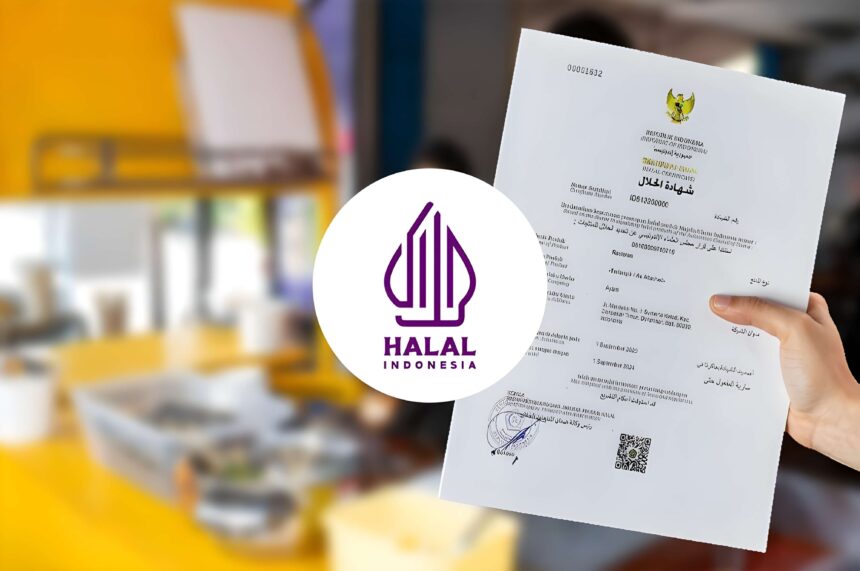
BPJPH Prepares Wajib Halal 2026: A Revolution in Product Certification in Indonesia

Source: DNA Berita
JAKARTA – The Halal Product Assurance Organizing Agency (BPJPH) is preparing an ambitious program that will fundamentally change Indonesia’s industrial landscape. “Wajib Halal 2026” is the implementation of mandatory halal certification requirements for all products entering, circulating, and traded within Indonesian territory.
Strong Legal Foundation
This program is not merely a proposal, but a direct mandate from Law Number 33 of 2014 concerning Halal Product Assurance (JPH) and Government Regulation Number 42 of 2024. This regulation emphasizes that before products can be distributed in the Indonesian market, producers must first obtain halal certification.
The scope of products that must be certified includes food and beverage raw materials, medicines, cosmetics, and chemical products, demonstrating the government’s commitment to ensuring comprehensive halal compliance across various industrial sectors.
Why This Program is Important
The importance of Wajib Halal 2026 driven by several strategic factors. Consumer awareness of halal products is increasing, forcing producers to pay more attention to raw materials, production processes, and distribution. Government support through regulations such as Law No. 33/2014 and Law No. 11/2020 not only guarantees product halal compliance but also protects Muslim consumers and promotes sustainable halal industry development.
On the other hand, increasing global demand for halal products and technological innovation provide great opportunities for Indonesian producers to develop high-quality and competitive products in the global market. This represents a golden momentum to enhance the competitiveness of Indonesian products on the international stage.
The Long Journey Toward Implementation
Actually, the mandatory halal program plan has been developed since 2021 and should have been implemented in October 2024. However, its implementation has not been optimal because many targets have not been achieved, so the government decided to extend the preparation time until 2026.
Certification Process Through SiHalal Application

Source: kemenag.go.id
The entire halal certification process will be conducted through the SiHalal application prepared by BPJPH. The certification process includes several systematic stages, starting from product registration, document verification by BPJPH, product verification by Halal Inspection Agency (LPH), halal fatwa determination by MUI, and finally halal certificate issuance.
Special Requirements for Foreign Business Operators
For foreign business operators, the certification process is basically the same, but there are several special requirements that must be met:
- Country of Origin Halal Certificate: Products to be distributed must already have halal labels issued first by Foreign Halal Certification Bodies (LHLN) in the country of origin before they can apply for halal certification in Indonesia.
- Official LHLN Recognition: The LHLN used must be officially recognized and registered with BPJPH. This policy aims to ensure that imported products circulating in Indonesia comply with Islamic law provisions and national regulations.
- Online Registration: After obtaining certificates from LHLN, halal certification applications for imported products in Indonesia can be made through online registration on the SiHalal website owned by BPJPH.
Challenges Faced
The implementation of this mandatory halal program is not without various challenges. First, the MSME certification target has not reached the expected goal. Of the target of 10 million MSMEs that should be certified, only 4.4 million have completed the certification process.
Second, many business operators are still reluctant to obtain halal certification because it is considered expensive and the process is complicated. This perception has become a major obstacle in achieving national certification targets.
Government Solutions
Source: BPJPH Official Website
The government has not remained idle in facing these challenges. Several strategic solutions have been implemented:
SEHATI Program (Free Halal Certification)
The government launched the SEHATI program that provides free halal certification for MSME operators throughout Indonesia. This program is expected to reduce the cost burden that has been a major obstacle.
Outreach and Education
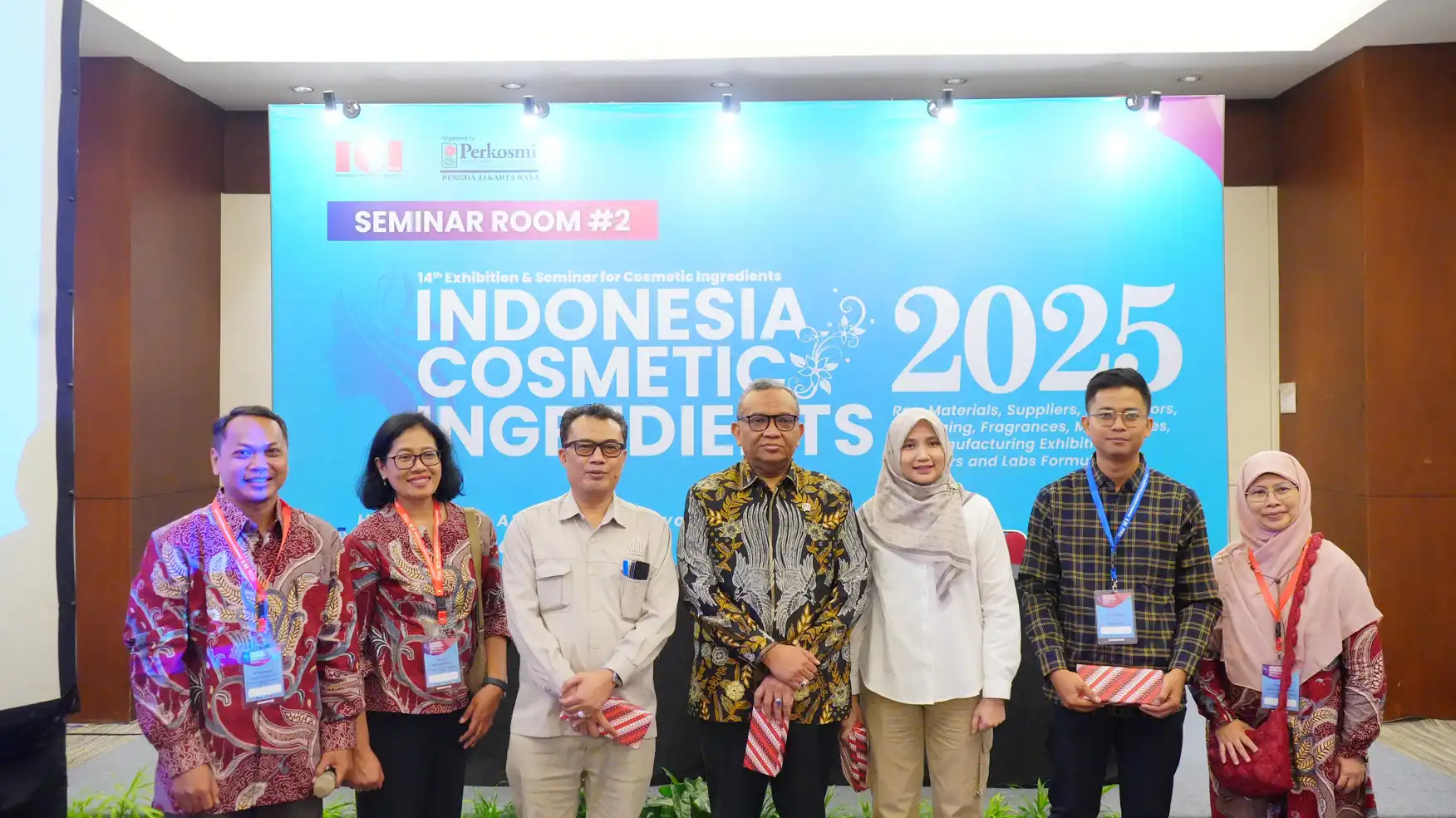
The government is actively conducting halal certification outreach to MSME operators to increase awareness of halal certification benefits, both in terms of consumer trust and export opportunities.
International Cooperation
The government establishes cooperation with several International halal certification bodies to facilitate foreign business operators in supplying raw materials and products to Indonesia.
Halal Standardization
The government collaborates with various institutions to create comprehensive halal standardization, involving the National Standardization Agency (BSN), Food and Drug Supervisory Agency (BPOM), Ministry of Industry, Ministry of Health, KNEKS, and other related ministries/agencies.
Future Prospects

Source: BPJPH Official Website
Wajib Halal 2026 is not just a regulation, but also a national strategy to enhance Indonesia’s industrial competitiveness in the global market. With proper preparation and targeted solutions, this program is expected to become a catalyst for sustainable Indonesian halal industry growth.
The success of this program will make Indonesia a global reference in the halal industry, while providing assurance to domestic Muslim consumers about the halal compliance of products they consume. This momentum must be well-utilized by all stakeholders to build a strong and competitive halal industry ecosystem.
References:
Latif, A. N., Alianita, M., Musaadah, W., & Hidayat, R. (2024). Mengatasi Tantangan dan Memanfaatkan Peluang Industri Halal Kosmetik dan Obat-obatan Menuju Wajib Halal 2026: Analisis SWOT. Indonesia Journal of Halal, 7(2), 146-155.
Rismana, D., Permonoputri, R. M. L. F., Widyastuti, R., & Hariz, H. S. S. (2024). Implementation of Halal Certification as an Effort to Protect Consumers and UMKM. International Journal of Social Science and Religion (IJSSR), 287-304.
Safitri, A. M., Wahono, B., & Rahmawati, R. (2025). Pengaruh Literasi Halal, Kampanye Wajib Halal Oktober (WHO) 2024, Dan Program SEHATI Terhadap Minat Daftar Sertifikasi Halal (Studi Kasus Pada UMKM di Kota Malang). E-JRM: Elektronik Jurnal Riset Manajemen, 14(01), 1366-1376.
bpjph.halal.go.id. (n.d.). BPJPH Siapkan Pedoman Sertifikasi Halal Produk Kosmetik, Libatkan Kementerian/Lembaga Terkait. Retrieved July 17, 2025, from https://bpjph.halal.go.id/detail/bpjph-siapkan-pedoman-sertifikasi-halal-produk-kosmetik-libatkan-kementerian-lembaga-terkait
bpjph.halal.go.id. (n.d.). BPJPH Dorong Industri Farmasi Bersiap Sambut Wajib Halal Oktober 2026. Retrieved July 17, 2025, from https://bpjph.halal.go.id/detail/bpjph-dorong-industri-farmasi-bersiap-sambut-wajib-halal-oktober-2026
kadin.id. (n.d.). Pemerintah Tunda Wajib Sertifikasi Halal ke 2026, Mengapa?. Retrieved July 17, 2025, from https://kadin.id/analisa/pemerintah-tunda-wajib-sertifikasi-halal-ke-2026-mengapa/


