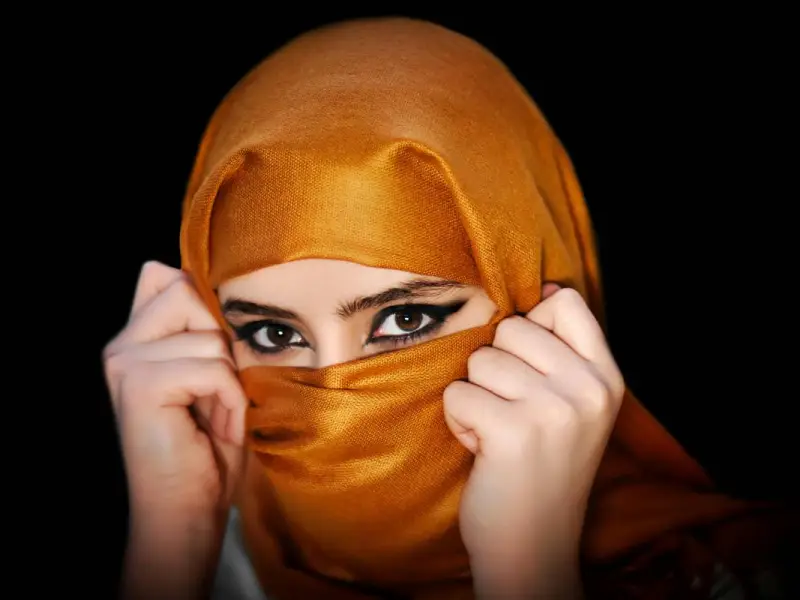
The Halal Beauty Revolution: Transforming Global Cosmetics Through Ethical Innovation
Source: Halal Times
JAKARTA – The global cosmetics industry is experiencing a remarkable transformation as halal-certified beauty products capture increasing market share and consumer attention worldwide. With a current valuation of $42 billion and projections reaching $134 billion by 2033, the halal beauty segment represents far more than religious compliance—it embodies a comprehensive approach to ethical, sustainable, and inclusive beauty that resonates with diverse consumers across cultural and religious boundaries.
Redefining Beauty Standards Through Islamic Principles
Halal cosmetics operate under Islamic guidelines that prohibit ingredients such as alcohol, pork-derived substances, and animal byproducts from non-halal sources. However, the true significance of this sector lies in how these religious requirements align with broader consumer demands for transparency, ethical sourcing, and clean formulations.
The halal certification process encompasses every stage of product development and manufacturing, from raw material procurement to factory working conditions. This comprehensive oversight ensures not only religious compliance but also adherence to ethical business practices that appeal to conscientious consumers regardless of their faith background.
Products bearing halal certification typically exhibit characteristics that align with clean beauty standards: they are frequently cruelty-free, often vegan-friendly, and formulated without many controversial ingredients commonly found in conventional cosmetics. This convergence of values has positioned halal beauty as a natural choice for consumers prioritizing both performance and principles.
Market Dynamics Fueling Exponential Growth
The explosive growth of halal beauty stems from several converging market forces that have created unprecedented demand and opportunity.
The expanding economic influence of Muslim consumers worldwide has generated substantial purchasing power within this demographic. Nations with significant Muslim populations, including Indonesia, Malaysia, and various Middle Eastern countries, have become key drivers of market expansion and product innovation.
Simultaneously, the broader clean beauty movement has created natural synergies with halal certification standards. Contemporary consumers increasingly prioritize ingredient safety, environmental responsibility, and ethical manufacturing processes—areas where halal beauty products consistently excel. This alignment has attracted health-conscious shoppers who may not have religious motivations but appreciate the stringent standards and transparency that halal certification provides.
The digital revolution has also played a crucial role in market expansion. E-commerce platforms and online retailers have made halal beauty products globally accessible, transforming what was once a regionally limited market into a worldwide phenomenon. Consumers can now access specialized products that previously required geographic proximity to specific markets or communities.
Breakthrough Innovations Addressing Unique Needs
The halal beauty industry has emerged as a catalyst for innovative product development, with brands creating solutions that address specific religious observances while delivering universal appeal.
One of the most significant innovations has been the development of water-permeable nail polish formulations that maintain religious compliance for ablution rituals while providing durability and aesthetic appeal comparable to conventional products. This breakthrough has not only revolutionized beauty routines for observant Muslim women but has also attracted mainstream consumers interested in breathable nail products that promote nail health.
Skincare innovation within the halal beauty space has led to the pioneering use of novel plant-based ingredients and the exclusion of controversial additives prevalent in conventional formulations. Many halal skincare brands now feature clinically validated active ingredients combined with ethically sourced botanical components, delivering performance that competes with established global brands while maintaining strict compliance standards.
Makeup formulations have also seen significant advancement, with halal-certified brands developing long-wearing, highly pigmented products that avoid alcohol and other potentially drying or irritating ingredients. This approach has resulted in formulations suitable for diverse skin types and conditions, often outperforming conventional alternatives in terms of skin compatibility and wearability.
Navigating Industry Challenges and Opportunities
Despite remarkable growth trajectories, the halal beauty sector faces several challenges that simultaneously present opportunities for further development and market expansion.
Standardization remains a significant challenge, as different markets and certification bodies maintain varying requirements and standards. This fragmentation can create confusion among consumers and manufacturers while complicating international trade and product development. Establishing more unified global standards could streamline production processes and enhance consumer confidence across markets.
Consumer education represents another critical area for industry development. Many potential customers, both Muslim and non-Muslim, remain unaware of the comprehensive benefits that halal certification provides beyond religious compliance. Effective education campaigns could significantly expand market reach by highlighting the quality, safety, and ethical advantages that these products offer to all consumers.
Cost considerations associated with halal certification and compliant ingredient sourcing can create barriers for smaller brands seeking to enter the market. However, as demand continues growing and supply chains adapt to accommodate halal requirements, these costs are expected to decrease, making halal beauty more accessible to a broader range of companies and enabling greater innovation within the sector.
Industry Leaders Shaping the Future
Several pioneering companies have established themselves as influential forces within the halal beauty landscape, each contributing unique innovations and market perspectives.
Wardah from Indonesia has positioned itself as a market leader through its extensive range of affordable, high-performance products that successfully combine halal compliance with dermatological expertise. Their approach demonstrates that religious compliance and scientific innovation can coexist effectively in competitive market environments.
Tuesday in Love has achieved international recognition through its revolutionary wudhu-friendly nail polish formulations, proving that addressing specific religious needs can result in innovations with broad market appeal. Their success has inspired other brands to explore similar product development opportunities that serve specialized needs while attracting mainstream interest.
Inika Organic represents the luxury segment of halal beauty, offering certified organic and vegan formulations that meet the highest standards of both performance and purity. Their success in mainstream luxury markets demonstrates that halal beauty can effectively compete with conventional prestige brands while maintaining strict compliance standards.
Flora and Noor has distinguished itself by focusing on the underserved needs of consumers with deeper skin tones, creating halal-certified skincare solutions specifically tailored to melanin-rich complexions. Their approach exemplifies how halal principles can intersect with inclusive beauty initiatives to serve previously overlooked market segments.
Future Trajectories and Market Evolution
The halal beauty industry shows strong indicators for continued growth and mainstream market integration, with several key trends likely to shape its future development.
The men’s grooming segment presents substantial untapped potential, with increasing demand for halal-certified skincare, haircare, and fragrance products designed specifically for male consumers. This relatively unexplored market could drive significant growth in coming years as awareness and product availability increase.
Technology integration will likely play an increasingly important role in market development, with mobile applications and digital verification tools helping consumers authenticate halal status and evaluate ingredient safety. Blockchain technology may be implemented to enhance supply chain transparency, providing consumers with greater confidence in their purchasing decisions and enabling brands to demonstrate compliance more effectively.
Sustainability initiatives will become even more prominent within the halal beauty sector, with brands pioneering eco-friendly packaging solutions, carbon-neutral production methods, and zero-waste manufacturing processes. This focus aligns perfectly with Islamic environmental principles while addressing broader consumer demands for sustainable and responsible business practices.
Mainstream retail expansion will continue accelerating, with halal beauty products gaining increased visibility in conventional beauty retailers, department stores, and pharmacy chains worldwide. This enhanced accessibility will help normalize halal beauty products while introducing them to new consumer segments who may not have previously considered such options.
A Paradigm Shift Toward Conscious Consumption
The ascendance of halal beauty signifies more than a temporary market trend—it represents a fundamental transformation in consumer expectations and industry standards. By integrating religious values with universal ethical principles, halal beauty offers compelling value propositions for consumers seeking products that align with their personal values and quality expectations.
As the industry continues evolving and maturing, it has the potential to influence beauty standards globally, demonstrating that high performance, ethical practices, and inclusive approaches can successfully coexist in competitive markets. Whether consumers are motivated by religious observance, health considerations, environmental consciousness, or simply desire for superior quality products, halal beauty provides valuable options that serve diverse needs and preferences.
The trajectory of beauty industry development increasingly emphasizes diversity, ethics, and inclusivity—with halal-certified products positioned to play a central role in this transformation. As consumer awareness expands and product innovations continue, halal beauty is poised to transition from specialized niche to mainstream market segment, offering enhanced choices and benefits for all consumers within our interconnected global marketplace.
This evolution suggests that the future of beauty lies not in standardized approaches but in recognizing and serving the diverse needs, values, and preferences of consumers worldwide. Halal beauty, with its emphasis on transparency, ethics, and quality, exemplifies how religious principles can contribute to broader industry improvements that benefit all consumers, regardless of their personal beliefs or backgrounds.
Original article:
halaltimes.com. (n.d.). Halal Beauty Embraces Ethical and Cruelty-Free Products. Retrieved July 20, 2025, from https://www.halaltimes.com/halal-beauty-embraces-ethical-and-cruelty-free-products/