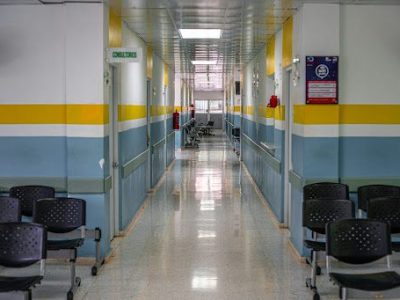
Essential Components of HIPAA-Compliant Healthcare Security Solutions
Source: Halal Times
JAKARTA – Healthcare facilities face unique security challenges that require sophisticated surveillance solutions. Unlike traditional security systems, medical institutions must balance patient safety with strict privacy regulations. This creates a complex requirement for security infrastructure that protects both physical spaces and sensitive health information.
Understanding HIPAA Requirements in Security Systems
The Health Insurance Portability and Accountability Act establishes stringent guidelines for protecting patient information. When surveillance systems capture footage in healthcare settings, they must adhere to three fundamental principles:
1. Confidentiality: Restricting access to authorized personnel only
2. Integrity: Preventing unauthorized modification of recorded data
3. Availability: Ensuring legitimate users can access information when needed
These requirements translate into specific technical implementations including encrypted data storage, comprehensive user authentication, and detailed access logging.
Leveraging Current Camera Infrastructure
Modern healthcare security platforms offer significant advantages by working with existing camera networks. Rather than requiring complete system replacements, many solutions support ONVIF standards and integrate seamlessly with current IP camera installations. This approach allows medical facilities to enhance their security capabilities gradually while preserving existing investments in surveillance hardware.
The ability to upgrade incrementally means healthcare administrators can prioritize high-risk areas first, then expand coverage systematically across their facilities.
Comprehensive Access Management Integration
Effective healthcare security extends beyond video monitoring to include sophisticated access control integration. Advanced systems can correlate surveillance footage with electronic door logs, creating a comprehensive security picture that includes:
Automated linking of video evidence with access events
• Granular control over sensitive areas such as medication storage and intensive care units
• Customizable permissions based on staff roles and responsibilities
This integration enhances accountability while supporting compliance with administrative safeguards required under federal regulations.
Advanced Analytics and Immediate Response
Contemporary security solutions employ artificial intelligence to enhance threat detection capabilities. These smart systems can identify suspicious behaviors, detect unauthorized presence in restricted zones, and generate immediate alerts for security personnel.
The implementation of AI-driven analytics reduces the burden on human monitors while improving response times during critical incidents. Mobile notifications ensure security teams can respond quickly regardless of their location within the facility.
Robust Permission Controls and Documentation
Maintaining compliance requires meticulous control over who can access surveillance data. Comprehensive systems provide administrators with tools to:
• Establish role-specific viewing permissions
• Monitor all access attempts and data sharing activities
• Generate detailed reports for compliance audits
• Maintain chain of custody documentation for legal proceedings
These features ensure that sensitive footage remains protected while providing necessary transparency for regulatory oversight.
Secure Cloud-Based Storage Solutions
The volume of surveillance data generated by healthcare facilities necessitates scalable storage solutions. Cloud-based platforms offer cost-effective alternatives to traditional on-site storage while providing enhanced security features:
• Complete encryption for data transmission and storage
• Geographic redundancy for disaster recovery
• Flexible retention policies aligned with regulatory requirements
• Simplified management for multi-location healthcare networks
Cloud infrastructure also facilitates secure remote access for authorized personnel while maintaining strict security protocols.
Multi-Site Scalability Considerations
Large healthcare organizations operating multiple facilities require security solutions that can scale effectively across diverse locations. Key features for multi-site implementations include:
• Unified monitoring dashboards for centralized oversight
• Cloud-native architecture reducing local infrastructure dependencies
• Seamless integration with existing hospital information systems
This scalability ensures consistent security standards across all facilities while accommodating organizational growth and changes.
Environmental Monitoring Integration
Comprehensive healthcare security encompasses more than visual surveillance. Integration with environmental sensors provides additional layers of protection by monitoring:
• Air quality and ventilation systems
• Temperature fluctuations in critical areas
• Emergency alert systems and panic buttons
• Chemical detection in laboratory environments
These integrated capabilities support both safety protocols and regulatory compliance requirements.
Intuitive Interface Design
Security personnel in healthcare settings must often respond rapidly while navigating complex facility layouts. User-friendly interfaces support efficient operations through:
• Mobile-optimized viewing for smartphone and tablet access
• Remote camera control capabilities
• Secure sharing mechanisms for incident documentation
• Streamlined navigation reducing training requirements
Intuitive design ensures that security tools enhance rather than hinder emergency response capabilities.
Advanced Threat Detection
While uncommon, healthcare facilities must prepare for extreme security scenarios. Some cutting-edge systems now incorporate AI-powered weapon detection, providing early warning capabilities that can:
• Identify potential threats before incidents escalate
• Automatically trigger security protocols
• Provide law enforcement with real-time situational awareness
• These proactive detection systems demonstrate commitment to comprehensive safety planning.
Frequently Asked Questions
Does surveillance footage qualify as protected health information? When video captures patients in medical contexts, it may be classified as PHI and must be protected according to HIPAA standards.
Must existing cameras be replaced for compliance? Not typically. Many compliant systems integrate with current IP camera infrastructure, provided storage and access controls meet regulatory standards.
How can staff access surveillance remotely? Remote access is permitted through encrypted, authenticated connections with comprehensive logging to maintain compliance.
What are appropriate retention periods for healthcare surveillance? Retention policies vary by jurisdiction and facility type but must balance investigation needs with data minimization principles.
What procedures follow a surveillance data breach? HIPAA requires notification of affected individuals, government agencies, and potentially media depending on breach scope and severity.
Implementation Strategy
Selecting appropriate healthcare security systems requires careful evaluation of features that support both operational needs and regulatory compliance. Priority should be given to solutions offering IP camera compatibility, access control integration, encrypted cloud storage, and intelligent analytics capabilities.
The objective is creating integrated, scalable security infrastructure that addresses both immediate operational requirements and long-term compliance obligations. Healthcare organizations that invest in comprehensive security solutions not only protect their facilities but also demonstrate commitment to patient privacy and staff safety.
By implementing these advanced security measures, healthcare providers can maintain the trust of patients, staff, and the communities they serve while meeting increasingly complex regulatory requirements.
Original article:
halaltimes.com. (n.d.). Top Features to Look for in a HIPAA-Compliant Healthcare Security System. Retrieved July 22, 2025, from https://www.halaltimes.com/top-features-to-look-for-in-a-hipaa-compliant-healthcare-security-system/