Muslim Women Address Healthcare, Stereotypes, and Personal Challenges
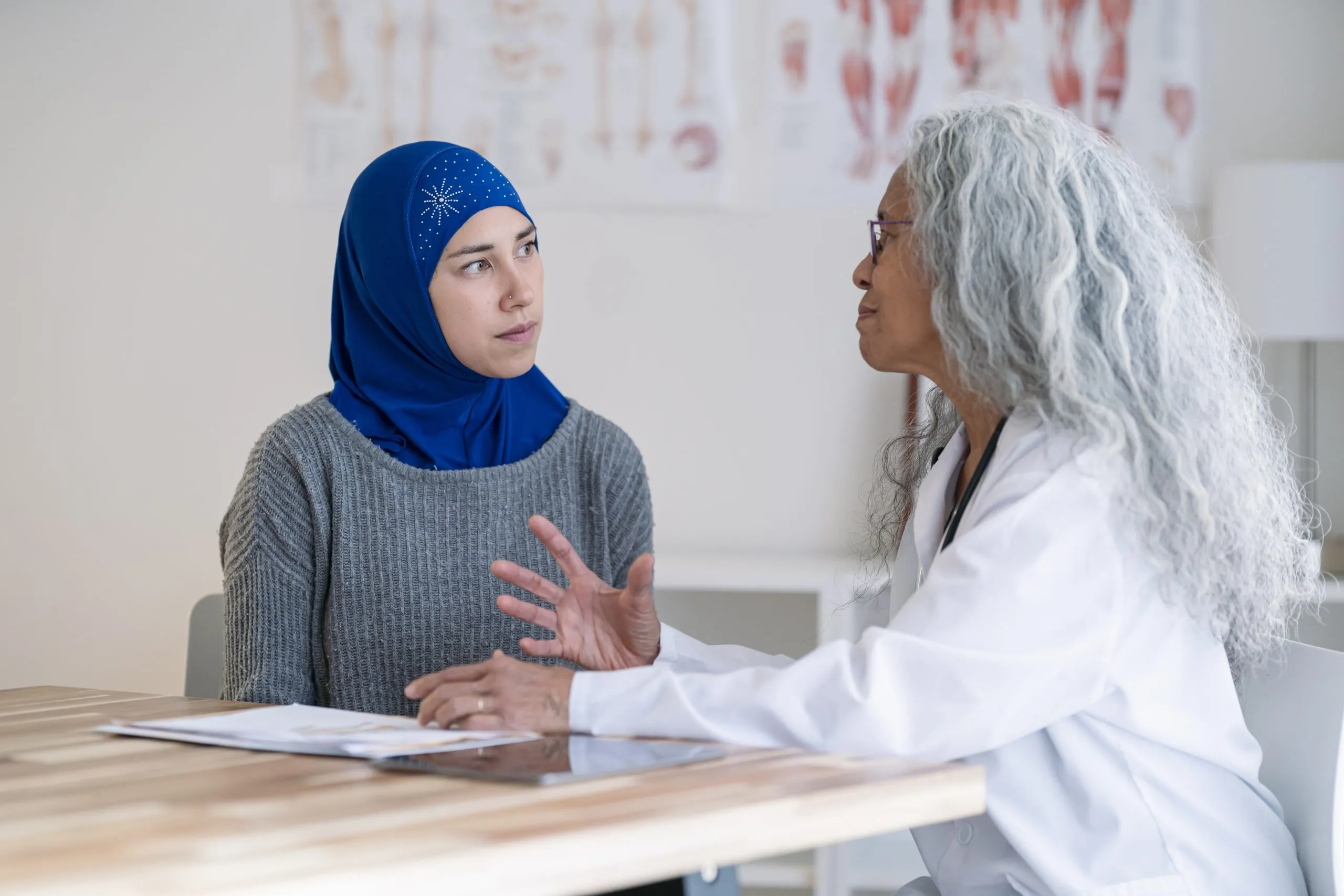
Muslim women gathered to discuss persistent stereotypes that affect their educational and career prospects. A business administration student explained how people automatically assume she won’t be permitted to work after marriage due to her religious background, despite her family’s support for education and employment. Similarly, another student emphasized that wearing hijab represents her personal choice rather than forced compliance, countering assumptions that it limits her academic or professional growth.
Platform for Sharing Common Experiences
The discussion took place during “Health, Mind & Expression: Perspectives on the Modern Woman,” an event hosted by the Islamic Cultural Centre and organized by Vision for Vidarbha in Teka. The gathering created opportunities for Muslim women to express their concerns about healthcare access, societal perceptions, and emotional difficulties they regularly face across educational institutions, workplaces, and their own communities.
Marriage and Gender Role Expectations
Participants addressed unequal expectations placed on women within marriage dynamics. One attendee questioned why women are consistently told to make adjustments when marital problems arise, while men face no similar pressure to compromise, highlighting the disproportionate burden of responsibility placed on wives.
Healthcare Education and Awareness
Dr. Tasneem Ansari from NKP Salve Institute led discussions on women’s health priorities, emphasizing the importance of routine medical checkups, menstrual health awareness, and physical fitness. She highlighted the need for proper nutrition, early identification of conditions like PCOD and thyroid disorders, and monitoring hemoglobin levels for optimal health.
Creating Safe Spaces for Health Discussions
A young participant noted the discomfort many women feel when discussing menstrual cycles or hormonal issues with family members, emphasizing that these health topics shouldn’t be sources of shame and require supportive environments for open conversation.
Challenging Social Perceptions and Building Resilience
Dr. Sayyad Muhammad Fazlullah Chishti from Falaah Research Foundation spoke about developing emotional resilience and confronting social prejudices. He emphasized that women’s identities extend far beyond their clothing choices or family roles, recognizing their valuable contributions to society.
Empowerment Through Self-Care and Goal Setting
The program ended with interactive discussions encouraging participants to prioritize their health and wellness, establish personal objectives, and approach societal stereotypes with confidence and determination.
Original Article:
Times of India. (2025, July 21). Muslim women speak on health, social bias and emotional challenges. The Times of India. https://timesofindia.indiatimes.com/city/nagpur/muslim-women-speak-on-health-social-bias-and-emotional-challenges/amp_articleshow/122785660.cms