Halal Fashion: The Growing Demand for Certified Leather and Fur Products
Source: Halal Focus
The Historical Context of Leather and Fur in Fashion
Throughout history, leather and fur have served dual purposes: practical necessity and luxury statement. Originally, these materials were essential for survival, providing crucial protection against harsh weather conditions and dangerous environments. Ancient civilizations developed sophisticated techniques for processing these materials, with each culture contributing unique methods for tanning leather and treating fur.
As societies evolved, these once-practical materials transformed into symbols of social status and wealth. Royal families and aristocrats adorned themselves with elaborate fur garments and leather accessories to demonstrate their power and affluence. The 20th century saw leather take on new cultural meanings, becoming associated with rebellion and youth culture through its adoption by motorcycle enthusiasts and rock musicians.
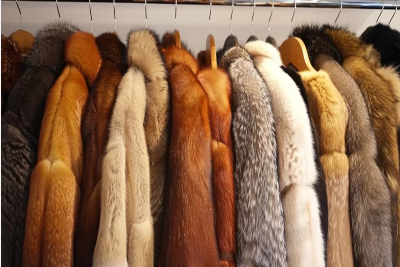
Today, leather remains a staple in fashion for its versatility and durability, commonly found in footwear, handbags, jackets, and accessories. Fur continues to represent luxury and sophistication, though its use has become increasingly controversial due to animal welfare concerns.
Material Sources and Production Methods
The production of leather typically involves animals such as cattle, sheep, goats, and occasionally exotic species like crocodiles and snakes. Each animal source provides distinct characteristics in terms of texture, strength, and appearance. The leather-making process requires extensive chemical treatment through tanning to achieve the desired softness, flexibility, and longevity.
Fur production relies on animals valued for their natural coat qualities, including foxes, rabbits, minks, and chinchillas. Unlike leather, fur requires minimal processing, with treatments focused primarily on preserving and enhancing the natural properties of the animal’s coat.
The Intersection of Faith and Fashion
For Muslim consumers, fashion choices extend beyond aesthetics to encompass religious compliance and ethical considerations. This intersection has created a growing market for Halal fashion that respects Islamic values while maintaining contemporary style and quality.
Halal fashion represents more than mere product compliance; it embodies a lifestyle choice that allows Muslim consumers to express their personal style without compromising their faith. This approach to fashion emphasizes the importance of ethical sourcing, humane treatment of animals, and adherence to Islamic guidelines throughout the production process.
Requirements for Halal Certification in Fashion
The certification process for leather and fur products involves several critical components that ensure compliance with Islamic standards:
Ethical Animal Treatment: Animals must receive proper care throughout their lives, including adequate living conditions, nutrition, and veterinary care when needed.
Compliant Slaughter Methods: Islamic slaughter practices must be followed, emphasizing methods that minimize animal suffering and ensure complete blood drainage for purity.
Supply Chain Transparency: Comprehensive documentation of the entire production process, from animal sourcing to final product, must be maintained to verify Halal compliance at every stage.
Independent Verification: Recognized certification bodies must conduct thorough inspections and audits to validate adherence to Halal standards.
Clear Product Identification: Certified items must display appropriate Halal labels, providing consumers with confidence in their purchases.
Industry Challenges and Innovative Solutions
The implementation of Halal certification in fashion faces several obstacles that require creative solutions:
Knowledge Gaps: Many manufacturers lack understanding of Halal requirements for fashion products. Industry education initiatives and specialized workshops can bridge this knowledge gap, helping producers understand and implement necessary standards.
Processing Limitations: Traditional leather tanning often involves non-Halal chemicals or animal derivatives. The development of plant-based and synthetic alternatives offers promising solutions that align with both Halal requirements and environmental sustainability.
Financial Barriers: Smaller businesses may struggle with certification costs. Implementing tiered pricing structures and offering financial assistance programs can make certification more accessible to emerging brands.
The Rise of Synthetic Alternatives
As awareness of animal welfare issues grows alongside demand for Halal products, synthetic alternatives are gaining prominence in the fashion industry. Artificial leather and fur products offer several advantages for Muslim consumers:
These alternatives eliminate concerns about animal treatment and slaughter methods, making certification more straightforward. Advanced manufacturing techniques now produce synthetic materials that closely replicate the appearance and feel of natural leather and fur, providing consumers with attractive options that align with their values.
The development of high-quality synthetic materials also supports environmental sustainability goals, reducing the ecological impact associated with animal agriculture and traditional tanning processes.
Building Ethical Supply Chains
Fashion brands seeking to enter the Halal market must prioritize partnerships with suppliers who share their commitment to ethical practices. These collaborations extend beyond mere compliance to encompass innovation in sustainable production methods and responsible sourcing practices.
Successful brands in this space often work closely with certification bodies to ensure their products meet rigorous standards while maintaining the quality and style expectations of modern consumers. This approach not only builds consumer trust but also positions brands as leaders in ethical fashion.
Future Outlook for Halal Fashion
The growth of Halal fashion represents more than a market trend; it signifies a broader movement toward inclusive, ethical, and sustainable fashion practices. As consumer awareness continues to expand, the demand for certified products is expected to increase significantly.
This growth creates opportunities for innovation in materials science, production methods, and design approaches that can satisfy diverse consumer needs while maintaining ethical standards. The success of Halal fashion also demonstrates the potential for religious and cultural values to drive positive change in global industries.
The evolution of Halal certification in fashion reflects a growing recognition that style and ethics can coexist harmoniously. As the industry continues to adapt to meet these demands, consumers benefit from expanded choices that allow them to express their personal style while honoring their values and beliefs.
The future of fashion lies in its ability to serve diverse communities while promoting sustainability, ethical treatment of animals, and respect for cultural and religious practices. Halal fashion certification represents an important step toward this more inclusive and responsible industry standard.
Original article:
halalfocus.com. (n.d.). Halal Certification in Fashion: Assessing Leather and Fur Products. Retrieved July 29, 2025, from https://halalfocus.com/halal-certification-in-fashion-assessing-leather-and-fur-products/