Indonesian Halal Certification Bodies Unite to Strengthen National Halal Assurance System
Source: CNN Indonesia
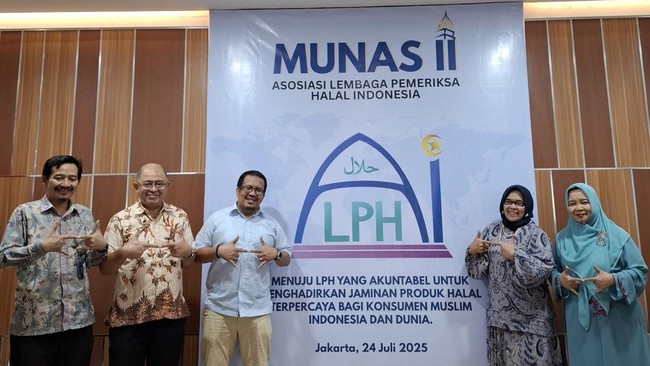
JAKARTA – The Indonesian Association of Halal Inspection Bodies (ALPHI) recently conducted its second National Conference (Munas II) and Focus Group Discussion, marking a significant milestone in the country’s efforts to enhance its halal certification ecosystem. The event, held in a hybrid format at the Muhammadiyah Central Office in Jakarta, brought together representatives from 93 halal inspection bodies nationwide to discuss strategic initiatives for strengthening Indonesia’s position in the global halal market.
Leadership Continuity Through Unanimous Support
One of the most notable outcomes of the conference was the unanimous re-election of Elvina A. Rahayu as ALPHI’s Chairperson for the 2025-2028 term. The acclamation-based selection process demonstrated the strong confidence that member organizations have in Rahayu’s leadership capabilities and vision for the association’s future development.
Muhammad Faisal, who serves as Chairman of LPH Hidayatullah and also acted as the conference coordinator, noted that the brief duration of the leadership selection process reflected the unanimous trust placed in Rahayu’s continued guidance of the organization.
Aligning with National Development Goals
In her acceptance speech, Rahayu emphasized the critical role that halal inspection bodies play in supporting government initiatives to ensure halal product assurance for both domestic and international Muslim consumers. She highlighted how this mission aligns perfectly with Indonesia’s national development agenda as outlined in the National Medium-Term Development Plan (RPJMN) for 2025-2029.
“Indonesia aspires to become the global center for halal products, and ALPHI is committed to playing a vital role in realizing this ambitious vision,” Rahayu stated during her address to the assembly.
Transparency and Accountability in Organizational Management
The conference featured comprehensive accountability reports, including detailed financial statements that demonstrated ALPHI’s commitment to transparent and responsible organizational management. This transparency initiative reflects the association’s dedication to maintaining high standards of governance and building trust among stakeholders.
Strategic Discussions on Industry Challenges and Opportunities
The forum addressed several critical issues facing the halal certification industry in Indonesia. Participants engaged in extensive discussions about the challenges and opportunities presented by global market demands for halal-certified products. Key topics included:
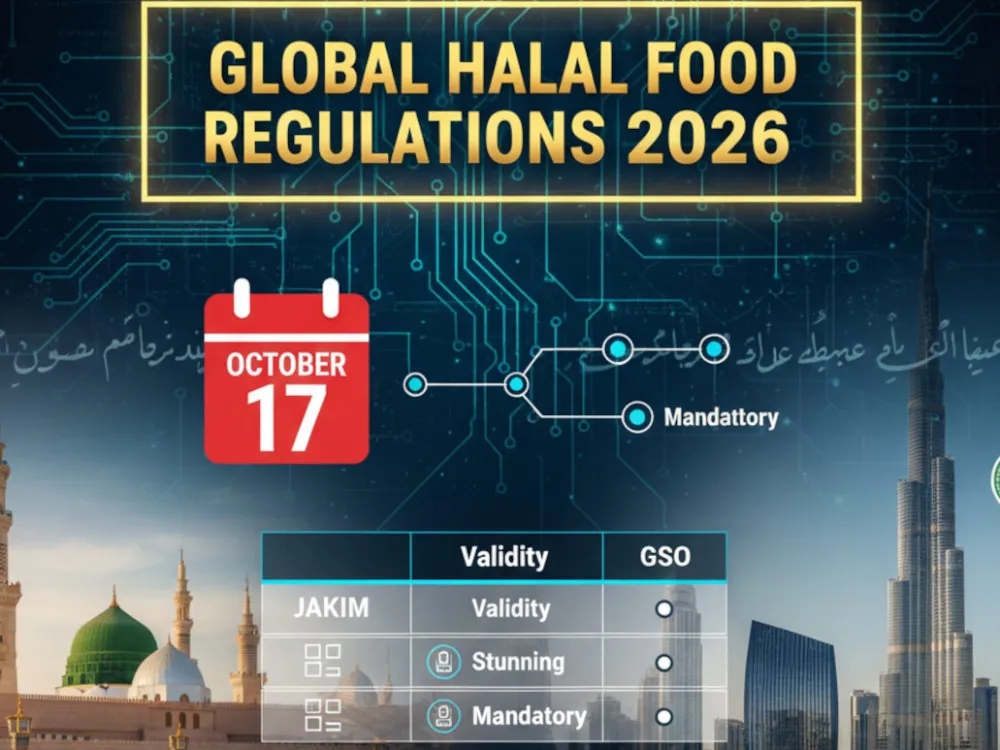
Phase Two Implementation Challenges: The conference examined the upcoming mandatory halal certification requirements scheduled for 2026, focusing on how inspection bodies can strengthen their roles in supporting successful implementation.
Cosmetics Industry Integration: Discussions included proposals for mandatory halal certification in the cosmetics sector, with ALPHI expressing commitment to collaborate with industry associations such as COSMI to ensure industry readiness for these new requirements.
Global Standards Compliance: Participants explored strategies for meeting international standards while maintaining the efficiency and credibility of Indonesia’s halal assurance system.
Multi-Stakeholder Collaboration Framework
Rahayu emphasized the importance of collaborative approaches involving multiple stakeholders in creating a credible, efficient, and globally recognized halal product assurance system. She outlined the need for enhanced cooperation between:
- Halal inspection bodies (LPH)
- The Halal Product Assurance Agency (BPJPH)
- The Indonesian Ulema Council (MUI)
- Industrial sectors
- Academic institutions
“Our goal at ALPHI is to develop inspection bodies that are not only professional but also accountable, transparent, and trustworthy to consumers, business practitioners, and international partners,” Rahayu explained.
Organizational Structure Refinements
The conference also addressed important organizational matters, including discussions about amendments to the association’s Articles of Association and Bylaws (AD/ART). The participants established clear procedures for resolving any interpretational differences in these governing documents, ensuring that final decisions would be made through board meetings with results communicated to all members.
Future Vision and Commitments
Looking ahead to her second term, Rahayu outlined her commitment to implementing significant improvements in organizational systems and governance structures. She emphasized that the conference aimed to strengthen organizational management while generating concrete recommendations from the discussions to enhance cooperation among halal inspection bodies throughout Indonesia.
“Through this National Conference, we seek to reinforce our organizational governance and produce specific recommendations that will strengthen the synergy of inspection bodies across Indonesia in supporting BPJPH and national halal policies,” she concluded.
Industry Partnership and Support
The conference highlighted the continued involvement of key industry players, including PT Sucofindo (Persero), which participated as both a founding member and active participant in ALPHI. In the previous organizational period, Sucofindo served as coordinator for the Regulation and Public Relations Division.
As a state-owned enterprise carrying the mandate of Agent of Development, LPH Sucofindo has committed to continuing its support for ALPHI as a partner to BPJPH and MUI in strengthening the halal ecosystem while supporting Indonesia’s goal of becoming the global halal center.
Implications for Indonesia’s Halal Industry
This conference represents a crucial step in Indonesia’s journey toward becoming a global halal hub. The strengthened cooperation between inspection bodies, combined with improved governance structures and clear strategic direction, positions the country well to meet growing international demand for certified halal products.
The emphasis on transparency, accountability, and multi-stakeholder collaboration demonstrates the maturity of Indonesia’s halal certification system and its readiness to compete on the global stage. As the implementation of expanded mandatory certification approaches in 2026, the unified approach demonstrated by ALPHI members provides confidence in the system’s ability to handle increased demand while maintaining quality and credibility.
The outcomes of this conference will likely influence how Indonesia’s halal certification system evolves in the coming years, particularly as the country works to capture a larger share of the rapidly growing global halal market estimated to be worth trillions of dollars annually.
Original article:
cnnindonesia.com. (n.d.). ALPHI Gelar Munas dan FGD Bahas Strategi Penguatan Peran Lembaga Halal. Retrieved July 29, 2025, from https://www.cnnindonesia.com/ekonomi/20250728123532-625-1255740/alphi-gelar-munas-dan-fgd-bahas-strategi-penguatan-peran-lembaga-halal