Thailand Embraces Muslim Travelers: Building Bridges Through Halal Tourism
Source: TTG Asia
The Paradigm Shift in Thai Tourism
The landscape of Thai tourism is experiencing a fundamental change in approach. Where once the industry primarily relied on traditional marketing strategies, today’s reality shows non-Muslim business operators actively seeking guidance on accommodating Islamic travelers. This shift represents more than a business opportunity—it signifies a cultural evolution toward greater inclusivity and understanding.
Aida Oujah, who leads the Thai-ASEAN Halal Tourism Trade Association and has dedicated nearly three decades to promoting Muslim-friendly travel in Thailand, observes this transformation firsthand. “The conversation has evolved beyond Muslims marketing to Muslims,” she notes. “We now see Buddhist hotel owners and non-Muslim restaurateurs approaching us for advice on creating welcoming environments for Islamic guests.”
This evolution reflects a broader recognition that Muslim travelers represent a substantial and growing market segment with significant spending power and specific accommodation needs that, when properly addressed, can enhance the overall tourism experience.
Understanding the Muslim Traveler Experience
Successful halal tourism development requires understanding that Muslim travelers seek the same memorable experiences as other tourists, with specific religious and cultural requirements that typically influence only about 30% of their travel program. The key lies in recognizing that these requirements, while sometimes seeming minor to non-Muslim operators, are essential for creating authentic hospitality experiences.
The importance of seemingly small details cannot be overstated. Facilities such as water sources in bathrooms (bidets), clear prayer direction indicators, gender-appropriate spa services, and proper dietary options form the foundation of Muslim-friendly hospitality. These elements don’t require complete operational overhauls but rather thoughtful attention to specific needs.
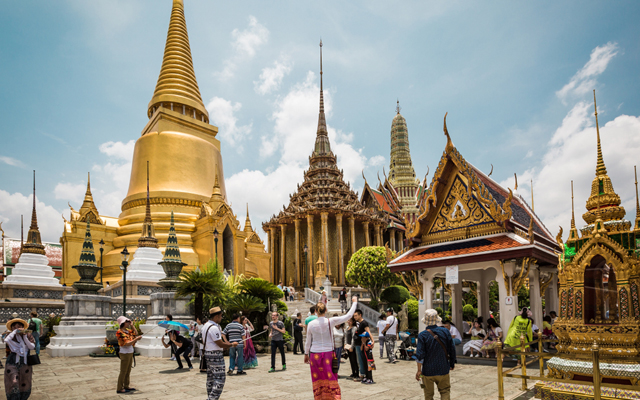
Interestingly, Muslim travelers often express disappointment when iconic Thai cultural sites are excluded from their itineraries due to misguided assumptions about religious sensitivities. Major Buddhist temples like Wat Arun in Bangkok or Wat Chalong in Phuket frequently top the wish lists of Muslim visitors, who view these landmarks as integral to experiencing Thai culture authentically.
The Critical Role of Authentic Certification
One of the most significant challenges facing Thailand’s halal tourism development is ensuring authentic certification and preventing fraudulent practices. The distinction between genuine halal certification and opportunistic marketing has become a crucial concern for both travelers and industry stakeholders.
Dumrong Poottan, advisor to the Speaker of Thailand’s National Assembly, emphasizes that only recognized institutions possess the legal authority to provide formal halal certification. In Thailand, this authority rests primarily with organizations such as the Halal Science Center at Chulalongkorn University and the Central Islamic Council of Thailand.
The proliferation of unauthorized halal labels presents both a practical and ethical challenge. Muslim travelers possess sophisticated knowledge about authentic halal standards and can easily identify fraudulent claims, regardless of superficial attempts at Islamic branding. This discernment extends beyond visual symbols to encompass genuine understanding of halal principles and proper certification processes.
Travel blogger and halal tourism advocate Sakarin Sadlah highlights this issue as potentially damaging to Thailand’s reputation among Muslim travelers. The presence of fake halal certifications not only misleads consumers but also violates the fundamental trust that underpins religious dietary requirements. This situation calls for stronger regulatory frameworks and enforcement mechanisms to protect both consumers and legitimate halal operators.
Technology Solutions and Market Innovation
The digital revolution presents opportunities for enhancing the halal tourism experience in Thailand. The success of specialized applications like Halal Navi in Japan demonstrates how technology can bridge information gaps and provide travelers with reliable, real-time access to verified halal services.
Thailand’s existing foundation of Muslim-friendly options, including halal snacks available in major convenience store chains like 7-Eleven and Foodland, provides a solid base for digital integration. A localized halal application could revolutionize how Muslim travelers navigate Thailand’s diverse culinary and hospitality landscape while ensuring authenticity and compliance with religious requirements.
Such technological solutions would serve multiple purposes: empowering travelers with reliable information, supporting legitimate halal businesses, and helping eliminate fraudulent operators who undermine market credibility.
Expanding Beyond Traditional Markets
Thailand’s halal tourism strategy must evolve beyond conventional source markets to capture emerging opportunities. While Malaysia remains an important market due to its predominantly Muslim population, other regions present significant untapped potential.
India, now the world’s most populous country, contains a substantial Muslim population with considerable purchasing power. However, Thailand’s image in the Indian market remains largely associated with nightlife and entertainment rather than family-friendly, culturally respectful tourism options. This perception gap represents both a challenge and an opportunity for repositioning Thailand’s tourism brand.
The strategy for accessing new markets requires nuanced understanding of different Muslim communities’ travel preferences, cultural expectations, and economic capabilities. What appeals to Malaysian Muslim families may differ significantly from the preferences of Indian Muslim business travelers or Middle Eastern religious tourists.
Integration with Wellness and Sustainable Tourism Trends
The convergence of halal tourism with broader wellness and sustainability trends presents unique opportunities for Thailand’s tourism industry. The growing global focus on clean living, authentic experiences, and ethical consumption aligns naturally with Islamic principles of purity, moderation, and social responsibility.
Kusuma Kinglek, who operates the Aonang Princeville Villa Resort & Spa, recognizes this synergy. Her resort exemplifies how halal compliance can enhance rather than limit tourism offerings. By adapting kitchen facilities and service standards to meet halal requirements, properties can tap into both Muslim travelers and the broader wellness tourism market.
This integration suggests that halal tourism development need not be viewed as a separate sector but rather as an enhancement of Thailand’s existing strengths in hospitality, cuisine, and cultural tourism. The challenge lies in communicating this value proposition effectively to potential visitors while maintaining operational authenticity.
Government Leadership and Industry Coordination
The success of Thailand’s halal tourism initiatives requires clear government leadership and coordinated industry response. Currently, the sector operates through individual initiatives and private sector efforts, but achieving significant market penetration demands systematic government support and clear policy frameworks.
Industry leaders call for official government statements of readiness to welcome Muslim travelers, backed by concrete policies that address certification standards, operator training, and marketing strategies. This governmental endorsement would provide confidence to both travelers and investors while establishing Thailand as a serious contender in the global halal tourism market.
The coordination challenge extends beyond government to encompass various industry stakeholders, including hotels, restaurants, tour operators, and transportation providers. Creating seamless Muslim-friendly experiences requires collaboration across the entire tourism value chain.
Practical Implementation Strategies
For Thai tourism operators interested in accessing the Muslim travel market, industry experts recommend proactive engagement with established halal organizations and Islamic committees. Rather than attempting to navigate complex religious requirements independently, operators benefit from seeking guidance from recognized authorities and participating in industry education programs.
This approach includes attending trade shows, participating in familiarization trips, and engaging with foreign buyer inspection programs. Such activities provide operators with practical insights into Muslim traveler expectations while building relationships with key market intermediaries.
The implementation process requires balancing respect for Islamic principles with Thailand’s unique cultural identity. Success stories emerge when operators view halal compliance as an opportunity for service enhancement rather than a limitation on their operational flexibility.
Future Outlook and Strategic Implications
Thailand’s halal tourism development represents more than capturing a specific market segment—it embodies the kingdom’s evolution toward greater cultural inclusivity and tourism sophistication. The success of this initiative could position Thailand as a bridge between Buddhist and Islamic cultures, offering unique experiences that celebrate both traditions.
The economic implications extend beyond direct tourism revenue to encompass broader trade relationships, cultural exchange, and international cooperation. Countries that successfully develop halal tourism often find themselves better positioned for broader economic engagement with Muslim-majority nations.
However, realizing this potential requires sustained commitment to authentic implementation rather than superficial adaptations. The Muslim travel market’s sophistication means that half-hearted efforts or opportunistic approaches are likely to fail, potentially damaging Thailand’s reputation in this important sector.
Conclusion
Thailand stands at a crossroads in its tourism development, with the opportunity to transform its position in the global Muslim travel market. The foundation exists through the country’s natural hospitality culture, diverse culinary traditions, and stunning destinations. What remains is the systematic implementation of Muslim-friendly infrastructure, authentic certification processes, and coordinated marketing strategies.
The stakeholders who gathered to discuss Thailand’s halal tourism future represent more than industry interests—they embody a vision of Thailand that embraces diversity while maintaining its unique cultural identity. Their collective message is clear: Thailand must prepare comprehensively to welcome Muslim travelers or risk missing one of the most significant growth opportunities in global tourism.
Success in this endeavor requires more than business acumen; it demands cultural sensitivity, religious understanding, and genuine commitment to creating authentic experiences that honor both Thai hospitality traditions and Islamic values. The prize—access to a global market worth hundreds of billions of dollars annually—justifies the effort required to achieve this transformation.
Original article:
ttgasia.com. (n.d.). Stakeholders call for stronger halal tourism push in Thailand. Retrieved July 29, 2025, from https://www.ttgasia.com/2025/07/23/stakeholders-call-for-stronger-halal-tourism-push-in-thailand/