The Evolution of Britain’s Halal Poultry Market: Embracing Ethical Farming Practices
JAKARTA – Britain’s halal poultry sector is experiencing a remarkable transformation, propelled by the nation’s expanding Muslim community of over 4 million people, representing 6.5% of the population in England and Wales. This demographic shift has created a substantial market for Shariah-compliant meat products, with chicken emerging as the cornerstone of halal consumption—consumed by an impressive 92% of British Muslims on a weekly basis.
The evolution of this market extends far beyond simply meeting religious dietary requirements. Contemporary consumers are increasingly focused on ethical production methods, animal welfare standards, and environmental sustainability. These values are driving a significant shift toward premium farming practices that align with both Islamic principles and modern consumer consciousness.
The concept of tayyib—which encompasses wholesomeness, purity, and ethical sourcing—has become central to how Muslim consumers evaluate their food choices. This Islamic principle naturally aligns with sustainable farming methods, creating a convergence between religious requirements and contemporary ethical consumption patterns that appeal to both Muslim and non-Muslim buyers.
Understanding Different Production Systems
The distinction between various poultry farming approaches has become increasingly important for informed consumers navigating the halal market. Each system offers different benefits and meets different consumer priorities, making understanding these differences crucial for making purchasing decisions.
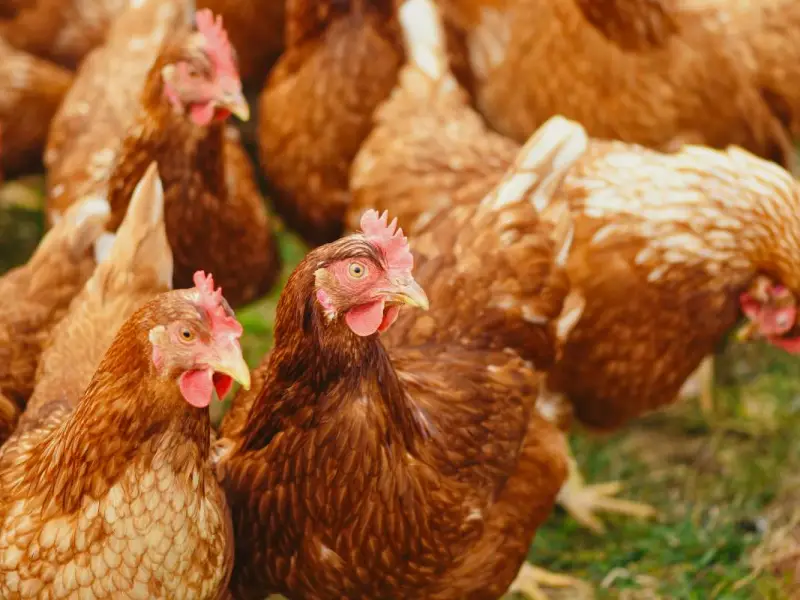
Traditional free-range systems represent a significant improvement over conventional indoor farming by providing birds with access to outdoor environments. This approach allows chickens to express natural behaviors such as foraging and dust bathing, which can improve both their welfare and the quality of the resulting meat. However, the implementation of free-range standards can vary considerably between producers, as the term lacks universal definition and enforcement.
Organic production takes ethical farming to a higher level through comprehensive regulations overseen by certification bodies like the Soil Association. These systems mandate organic feed free from synthetic pesticides and genetically modified organisms, impose strict limits on flock density, and prohibit routine antibiotic use. The emphasis on smaller group sizes and extensive outdoor access creates conditions that many consumers feel better reflect Islamic values of compassionate treatment.
Companies such as Healthy Halal have demonstrated how these premium production methods can deliver superior products with enhanced nutritional profiles, including reduced saturated fat content and elevated omega-3 fatty acid levels. Despite representing less than 5% of Britain’s daily chicken production of 2.2 million birds, organic systems show significant potential for growth in response to increasing consumer demand.
Navigating Industry Challenges
The British halal poultry sector faces several complex challenges that impact both producers and consumers. Certification inconsistencies represent perhaps the most significant obstacle, as the absence of unified national standards has led to confusion and consumer skepticism.
Unlike many countries with centralized halal certification systems, Britain relies on multiple certifying bodies with varying approaches to key issues such as pre-slaughter stunning. This diversity in standards has created uncertainty among consumers, with recent research by the Halal Monitoring Committee revealing that only 35% of Muslims trust pre-packaged halal chicken from major retailers, preferring to purchase from specialized butchers they consider more reliable.
Supply chain disruptions, particularly those stemming from Brexit-related complications, have created additional pressures on producers. Increased administrative requirements and elevated costs have disproportionately affected smaller operations, especially during peak demand periods such as Ramadan and Qurbani celebrations. Industry professionals like Rizvan Khalid from Euro Quality Lambs report that smaller farms struggle to meet festival demand, forcing consumers toward larger suppliers or online purchasing platforms.
Misconceptions about halal slaughter practices also present ongoing challenges. Viral social media claims, such as suggestions that over 20% of British meat is halal, contradict official statistics showing that only 2.6% of meat production involves non-stunned halal slaughter. Addressing these misconceptions through education and transparent labeling remains essential for market expansion.
Innovation and Technology Integration
Despite existing challenges, the halal poultry industry is embracing innovative solutions that promise to transform production, distribution, and consumer confidence. Technological advancement is creating new opportunities for transparency and efficiency throughout the supply chain.
Blockchain technology implementation by companies like Halal Foods UK provides unprecedented traceability, allowing consumers to track products from farm origins to retail shelves. This technological solution directly addresses trust concerns by providing verifiable information about production methods, certification status, and supply chain integrity.
Artificial intelligence and data analytics are optimizing operational efficiency, helping producers improve animal welfare monitoring, feed conversion rates, and overall productivity. These technologies enable more precise management of farming conditions while maintaining the ethical standards that consumers increasingly demand.
E-commerce platforms such as Halal Foundry are revolutionizing market access, particularly benefiting consumers in rural areas where halal options may be limited. Online sales channels provide opportunities for specialized producers to reach broader markets while offering consumers greater choice and convenience.
Sustainability initiatives are also gaining traction, with practices like anaerobic digestion systems converting processing waste into renewable energy. Compostable packaging solutions and carbon footprint reduction programs appeal to the 68% of Muslim consumers willing to pay premium prices for environmentally responsible products.
Market Expansion and Export Potential
The trajectory for Britain’s halal poultry market appears exceptionally positive, with projections suggesting growth to £2 billion by 2028. This expansion reflects both domestic demographic trends and increasing global demand for high-quality halal products.
Chicken’s position as Britain’s most popular meat provides a solid foundation for continued growth, particularly given the stark consumption patterns showing 92% weekly chicken consumption among Muslims compared to just 6% for mutton. This preference creates opportunities for producers to develop diverse product ranges, including value-added items like ready meals and specialty cuts.
Major retailers are recognizing this potential, as demonstrated by Marks & Spencer’s 2019 launch of halal product lines in both British and Dubai markets. Such initiatives suggest growing mainstream acceptance and commercial viability of halal products beyond traditional Muslim consumer bases.
Export opportunities present another significant growth avenue, with Britain’s reputation for high welfare standards positioning it favorably in the global halal market valued at $3.27 trillion. Ongoing trade negotiations with regions like the Gulf Cooperation Council could facilitate substantial export growth, particularly to Middle Eastern and Southeast Asian markets where British products enjoy strong reputational advantages.
Looking Toward the Future
Industry forecasts suggest continued robust growth, with expectations of 9.2% compound annual growth rates through 2030. This expansion will likely be driven by demographic changes, evolving consumer preferences, and technological innovations that address current market challenges.
Standardization of certification processes remains a key priority, with growing support for establishing a unified national halal mark that could resolve current trust issues. Such standardization would benefit producers by reducing compliance complexity while providing consumers with greater confidence in product authenticity.
Emerging technologies including Internet of Things sensors for real-time welfare monitoring and plant-based halal alternatives will continue expanding market possibilities. These innovations appeal to increasingly health-conscious and environmentally aware consumer segments while maintaining compliance with religious requirements.
For agricultural producers, the message is increasingly clear: adopting ethical farming practices represents both moral imperative and commercial opportunity. Free-range and organic methods align with Islamic values while accessing premium market segments and building loyal customer relationships.
Retailers can support this evolution by expanding halal offerings and highlighting British products’ advantages in terms of reduced food miles and superior welfare standards. For consumers, choosing ethically produced halal poultry means supporting systems that honor religious principles while promoting sustainability and quality.
The transformation of Britain’s halal poultry industry represents more than market evolution—it demonstrates how traditional religious requirements can drive innovation and ethical business practices. As the sector continues developing, it sets standards that influence global approaches to sustainable, ethical food production while serving the spiritual and practical needs of an increasingly diverse society.
Original article:
halaltimes.com. (n.d.). UK Halal Poultry Farming Trends from Free Range to Organic. Retrieved August 14, 2025, from https://www.halaltimes.com/uk-halal-poultry-farming-trends-from-free-range-to-organic/