Halal Pet Food? The Growing Trend You Didn’t See Coming
 (Source: allaboutfeed.net)
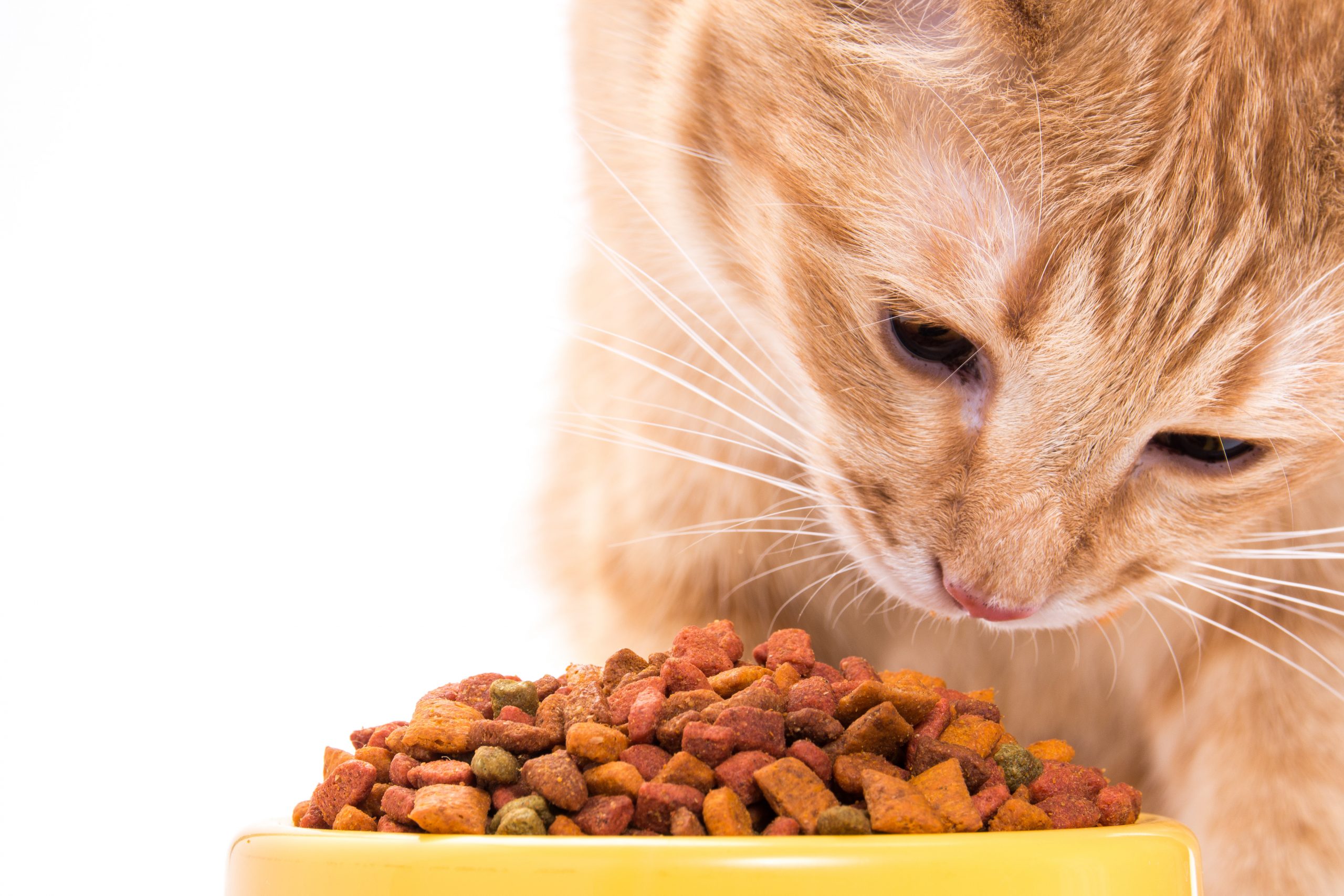
The halal industry has grown into a global market worth more than USD 3 trillion, driven by the purchasing power of 1.9 billion Muslims worldwide. While halal certification has long been associated with human food, a new and previously overlooked segment is gaining attention: halal-certified pet food.
Once considered irrelevant because pets are not bound by religious dietary laws, halal pet food is now in demand among Muslim pet owners who view it as part of a holistic Islamic lifestyle. Research published in the Journal of Islamic Marketing and the British Food Journal reveals that this shift is linked to religious integrity, ethical considerations, and increasing consumer awareness.
Why Halal for Pets?
In Islamic jurisprudence, animal care goes beyond humane treatment and extends to what animals are fed. Feeding animals with haram ingredients, such as pork derivatives, improperly slaughtered meat, or contaminated additives, is viewed as contradicting Islamic principles. Within halal supply chains, animal feed is recognized as the first “Critical Control Point” in maintaining product integrity. This approach reflects a growing trend where the same care applied to halal meat for human consumption is being extended to pet food.
Common Misconceptions
Despite its rapid growth, halal pet food continues to face misconceptions. Some believe pet food does not require halal certification, yet Islamic teachings encourage Muslims to ensure that all products they purchase or use comply with halal principles, even if they are not for human consumption. Another common belief is that the absence of pork automatically makes a product halal, when in reality halal standards also require proper slaughter methods, prevention of cross-contamination, and exclusion of non-compliant additives. Similarly, many assume that standards for pet food are identical to those for human food, but pet food also has species-specific nutritional needs. Furthermore, synthetic ingredients are not always halal, as some, like mono- and diglycerides (E471), may come from prohibited sources or be processed on shared equipment.
Opportunities and Hurdles in the Market
For manufacturers, halal-certified pet food presents a promising yet complex opportunity. Markets such as the United Kingdom, Australia, and Malaysia already offer certified products on store shelves, attracting Muslim and non-Muslim consumers alike who associate halal with quality and ethical sourcing. However, the lack of unified global regulations for halal pet food can cause confusion. Differences in interpretation among certification bodies make consistency difficult to achieve, highlighting the need for standardization.
Beyond Faith: Building Trust and Quality Standards
Halal pet food goes beyond religious compliance, representing trust, transparency, and lifestyle values. As noted by Nurrachmi (2017), halal branding can unlock loyal markets across the globe. For Muslim pet owners, it reflects an extension of faith into daily life, while for producers, it demonstrates a commitment to quality and ethical responsibility. Addressing misconceptions through education, clearer guidelines, and internationally recognized standards will be crucial to ensuring the continued growth of this emerging market.
References
Bashir, A. M., Bayat, A., Olutuase, S. O., & Abdul Latiff, Z. A. (2021). Factors influencing consumers’ willingness to pay for halal certified food products. Journal of Islamic Marketing, 12(7), 1335–1350.
Ibrahim, M. A., Fisol, W. N. M., & Haji-Othman, Y. (2017). Animal feed: Halal perspective. Advances in Animal and Veterinary Sciences, 5(3), 107-112.
Nurrachmi, R. (2017). The global development of halal food industry: A survey. International Journal of Supply Chain Management, 6(4), 1–12.
Rezai, G., Mohamed, Z., & Shamsudin, M. N. (2019). Assessment of consumers’ confidence on halal labelled manufactured food in Malaysia. British Food Journal, 121(5), 1050–1065.