Germany Unveils Comprehensive Halal Tourism Guide for Gulf Travelers
JAKARTA – The German National Tourist Office (GNTO) has introduced an innovative digital travel guide specifically designed for Muslim visitors from Gulf Cooperation Council nations, marking a significant milestone in inclusive European tourism. Released in July 2025, this 40-page bilingual publication represents Germany’s strategic effort to capture a larger share of the rapidly expanding halal tourism sector.
Tapping Into a Lucrative Market
The timing of this initiative reflects careful market analysis. Statistics reveal that Germany attracted 489,000 visitors from GCC countries in 2024, representing a substantial 21% uptick from 2022 figures. This growth trajectory aligns with projections indicating the global halal tourism industry will reach $410.9 billion by 2032, with an intermediate milestone of $225 billion expected by 2028.
Frankfurt, Berlin, Munich, and Düsseldorf have emerged as the primary German destinations for Gulf travelers, benefiting from enhanced air connectivity through new flight routes from Doha, Manama, and Jeddah. These developments have created favorable conditions for Germany to position itself as Europe’s premier Muslim-friendly destination.
Digital Innovation Meets Cultural Sensitivity
The guide represents a collaborative effort between GNTO and HalalTrip, combining traditional travel resources with cutting-edge technology. A standout feature is the integrated AI-powered chatbot, offering real-time assistance in both English and Arabic. This digital assistant can respond to specific queries about halal dining options, mosque locations, and accommodation preferences, providing instant support for travelers navigating German cities.
The resource is freely accessible through the official Germany Travel website, with its introduction taking place at the Halal in Travel Global Summit 2025, demonstrating Germany’s commitment to transparency and accessibility in halal tourism promotion.
Comprehensive Coverage Across German States
Rather than focusing solely on major metropolitan areas, the guide encompasses all 16 German federal states while providing detailed coverage of four key cities:
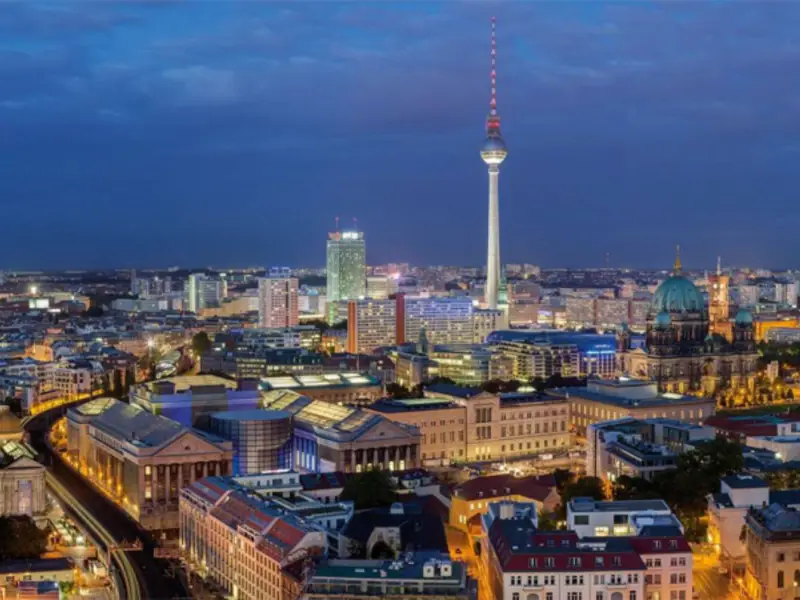
Berlin stands out with its impressive network of over 80 mosques and culturally diverse districts such as Kreuzberg and Neukölln. The capital’s halal dining landscape spans Turkish, Lebanese, and various Middle Eastern cuisines, reflecting its multicultural character.
Munich combines traditional Bavarian charm with modern Muslim-friendly amenities, featuring halal fine dining establishments and the Islamic Centre Munich, which serves the city’s growing Muslim student community.
Düsseldorf appeals to luxury-focused travelers with its high-end shopping districts while maintaining strong halal dining options supported by its diverse Muslim population.
Dresden offers baroque architectural heritage alongside increasingly accessible prayer facilities and halal dining choices, demonstrating how traditional German cities are adapting to Muslim travelers’ needs.
Practical Solutions for Faith-Based Travel
The guide addresses practical concerns that often challenge Muslim travelers in European destinations. Key resources include:
Culinary Guidance: Comprehensive listings of halal-certified restaurants, Turkish bakeries, organic halal stores, and specialty groceries offering Arabic, Pakistani, and Afghan cuisines. The guide notes that major German cities maintain robust halal food ecosystems supported by established Turkish, Arab, Afghan, and Bosnian communities.
Prayer Infrastructure: Information about Germany’s 2,500+ mosques, including prominent institutions like Cologne’s DITIB Central Mosque and Hamburg’s Al-Nour Mosque. The guide also covers community programming such as Ramadan iftar events.
Accommodation Standards: Hotel recommendations featuring Muslim-friendly amenities including alcohol-free minibars, prayer mats, Qibla direction indicators, and halal breakfast options. Properties like Holiday Inn Berlin-Alexanderplatz and Berlin’s Radisson Blu are specifically highlighted for their accommodating services.
Structured Itinerary Planning
The publication includes carefully curated 7- and 8-day travel itineraries that balance urban exploration with natural experiences. These suggested routes incorporate visits to Bavaria’s Neuschwanstein Castle, wellness experiences in Baden-Baden’s spa towns, and nature excursions through the Black Forest region. The itineraries are designed to accommodate both first-time visitors and returning travelers seeking deeper cultural engagement.
Infrastructure and Safety Considerations
Germany’s appeal to GCC travelers extends beyond religious accommodation to encompass safety, infrastructure quality, and hospitality standards. The country’s ranking among Europe’s safest destinations, combined with its excellent transportation networks and established halal service providers, creates an environment where Muslim families can travel with confidence.
Major German airports including Frankfurt, Munich, and Berlin feature multi-faith prayer rooms and wudhu facilities, while public acceptance of modest dress and alcohol abstention, particularly in diverse urban areas and university towns, contributes to a welcoming atmosphere for Muslim visitors.
Economic and Cultural Impact
This initiative carries broader implications for Germany’s tourism sector and international relations with GCC countries. By investing in Muslim-friendly infrastructure and services, Germany anticipates increased tourism revenue while demonstrating cultural competency that could strengthen diplomatic and economic ties with Gulf nations.
The guide’s emphasis on Germany’s Islamic heritage, particularly visible in cities like Berlin and Hamburg with their established Muslim communities, offers GCC travelers opportunities to explore Islamic art in museums, engage with multicultural neighborhoods, and participate in halal-certified wellness programs.
Strategic Vision for Inclusive Tourism
According to Yamina Sofo, Director of Marketing and Sales at GNTO GCC, the guide embodies Germany’s philosophy that tourism should enable exploration without compromising personal values or religious practices. This approach reflects broader trends in international tourism toward cultural sensitivity and customized travel experiences.
The German National Tourist Board’s initiative, operating under the Federal Ministry for Economic Affairs and Energy, represents coordinated government and industry efforts to position Germany competitively in the global halal tourism market while promoting cultural understanding and economic growth.
Looking Forward
The Germany Halal Travel Guide establishes a new standard for Muslim-friendly tourism resources in Europe. Its combination of practical information, cultural sensitivity, and technological innovation offers a model that other European destinations may follow as they recognize the economic potential of the Muslim travel market.
For GCC travelers, this comprehensive resource promises to eliminate common barriers to European travel while opening new possibilities for culturally enriching experiences. Whether seeking urban adventures, natural retreats, or cultural immersion, the guide ensures that faith-based considerations enhance rather than limit travel opportunities in Germany.
As the global halal tourism market continues its rapid expansion, Germany’s proactive approach through this detailed guide positions the country as a thoughtful, welcoming destination where Muslim travelers can explore with confidence and comfort.
Original Article:
Halal Times. (2025, September 1). Germany Launches Bilingual Halal Travel Guide for GCC Travelers. Retrieved from https://www.halaltimes.com/germany-launches-bilingual-halal-travel-guide-for-gcc-travelers/