Indonesia Develops Comprehensive Halal Certification Framework for Cosmetics Industry
Depok – The Halal Product Assurance Organizing Agency (BPJPH) has commenced the development of specialized halal certification guidelines for cosmetic products, preparing the industry for mandatory compliance requirements set to take effect in October 2026. The initiative marks a significant step in Indonesia’s effort to strengthen its position in the global halal market.
Strategic Timeline and Implementation Approach
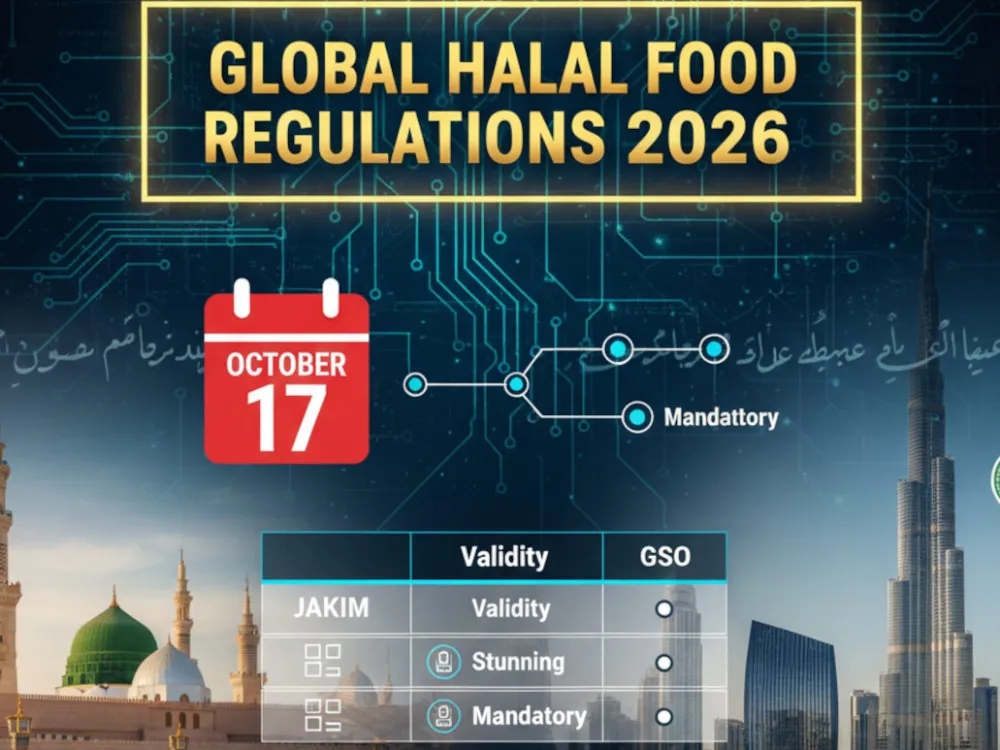
Deputy for Partnership and Halal Standardization at BPJPH, Abd Syakur, announced that the mandatory halal certification for cosmetic products will become effective on October 17, 2026. The agency launched its first stakeholder discussion session on Thursday, initiating a comprehensive consultation process designed to create practical and industry responsive guidelines.
“Our objective through this guideline development is to achieve regulatory harmonization while establishing a practical framework that can adapt to industry dynamics,” Syakur explained.
Multi-Stakeholder Collaboration Framework
The guidelines development process emphasizes extensive collaboration among key stakeholders to ensure comprehensive coverage and practical implementation. BPJPH has outlined a two-phase approach that begins with foundational structure development, followed by inter-agency alignment discussions.
The initial phase focuses on establishing the fundamental framework and core elements that will underpin halal certification for cosmetic products. This foundational work aims to create clear standards that provide business certainty while ensuring consumer protection.
Government Agency Integration
Following the preliminary drafting phase, BPJPH will engage with multiple government ministries and agencies to ensure regulatory alignment across sectors. The collaboration will include several key institutions:
- National Standardization Agency (BSN)
- Food and Drug Monitoring Agency (BPOM)
- Ministry of Industry
- Ministry of Health
- National Committee for Islamic Economy and Finance (KNEKS)
This multi-agency approach ensures that the halal certification guidelines complement existing sectoral regulations while maintaining consistency across different regulatory frameworks.
Commitment to Transparency and Participation
BPJPH has committed to maintaining a participatory and transparent development process throughout the guidelines creation. This approach aims to incorporate diverse perspectives from industry stakeholders, regulatory bodies, and consumer advocates to create comprehensive standards that address various needs and concerns.
The agency emphasizes that stakeholder input will be crucial in developing guidelines that are both practical for businesses to implement and effective in ensuring halal compliance standards.
National Halal Ecosystem Strengthening
According to Syakur, the guidelines represent a critical component in strengthening Indonesia’s national halal ecosystem from production through distribution channels. The comprehensive approach aims to create integrated standards that support the entire value chain of halal cosmetic products.
The initiative aligns with Indonesia’s broader strategy to develop a robust halal industry that can compete effectively in both domestic and international markets.
Global Market Competitiveness Goals
Beyond regulatory compliance, the guidelines development serves strategic economic objectives. BPJPH views the certification framework as essential for enhancing the global competitiveness of Indonesian halal cosmetic products in the rapidly expanding international halal market.
“These guidelines will establish a crucial foundation to ensure that halal certification for cosmetics operates effectively and efficiently while meeting the requirements of both national and international industries,” Syakur stated.
The emphasis on international market alignment reflects Indonesia’s ambition to capture a larger share of the global halal cosmetics market, which continues to experience significant growth driven by increasing Muslim consumer awareness and purchasing power.
Industry Preparation
The advance notice provided by BPJPH allows cosmetics manufacturers and distributors adequate time to prepare for the upcoming mandatory requirements. Companies can use this preparation period to assess their current practices, identify necessary changes, and develop compliance strategies.
The guidelines are expected to provide clear pathways for certification, helping businesses understand requirements and processes while reducing uncertainty about compliance procedures.
Future Implementation Outlook
As the development process continues through 2025 and into 2026, the cosmetics industry will have opportunities to provide input and prepare for the new requirements. The collaborative approach suggests that the final guidelines will reflect both regulatory needs and practical industry considerations.
The successful implementation of these guidelines could serve as a model for halal certification in other product categories, further strengthening Indonesia’s position as a leader in halal product standards and certification processes.
Original Article:
Antara News. (2025, September 3). BPJPH plans halal certification guidelines for cosmetics. ANTARA News. Retrieved from https://en.antaranews.com/news/367297/bpjph-plans-halal-certification-guidelines-for-cosmetics