Mumbai Township Dispute Highlights Religious Housing Discrimination
Understanding the Sukoon Empire Project
Sukoon Empire was conceived as a residential community in Karjat, situated near Mumbai, specifically designed to accommodate Muslim families’ religious and cultural practices. The development promised amenities including dedicated prayer spaces, culturally appropriate facilities, and an environment supportive of Islamic family values.
Rather than positioning itself as an exclusionary development, the project marketed itself as a solution to documented housing discrimination faced by Muslim families in India’s urban real estate markets. For many Muslim families who regularly encounter rejection from mainstream housing societies, the township represented an opportunity for dignified living without religious prejudice.
Catalyst for Controversy
The dispute intensified following the release of a promotional video featuring a hijab-wearing spokesperson who questioned whether Muslim families should continue compromising their values in broader society. She positioned Sukoon Empire as providing a secure, values-based environment where children could grow up in a halal-centered culture.
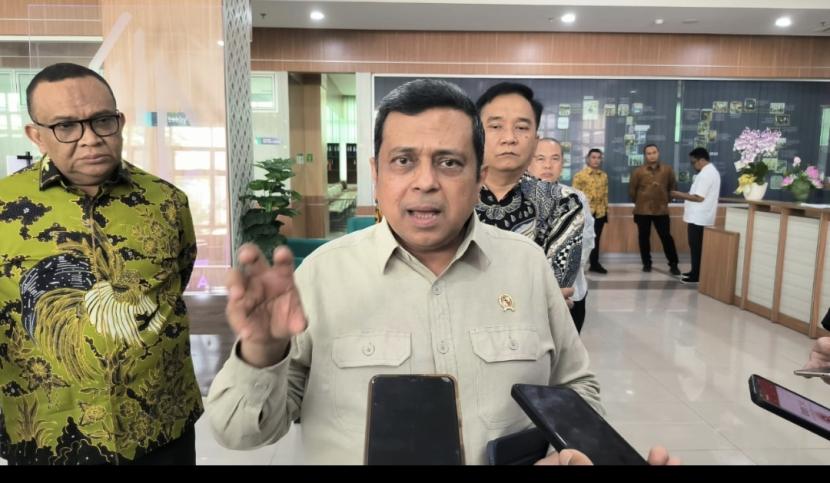
This marketing approach, intended as community-focused messaging, quickly attracted political criticism. Several political leaders, particularly from the Bharatiya Janata Party (BJP), denounced the initiative. Priyank Kanoongo, associated with the National Human Rights Commission (NHRC), characterized the project as “poison” and described it as creating a “nation within the nation.” Subsequently, the NHRC issued an official notice to Maharashtra’s state government, requesting a comprehensive investigation and report within a two-week timeframe.
Rather than addressing underlying issues that drive Muslim families to seek separate housing solutions, political responses focused on criticizing the project’s existence entirely.
Context of Muslim Housing Challenges
Understanding the Sukoon Empire concept requires examining the broader housing discrimination faced by India’s Muslim population. Extensive research and personal accounts document frequent discrimination against Muslim families in rental and purchase transactions, particularly in major metropolitan areas including Mumbai, Delhi, and Bangalore.
Housing cooperatives commonly cite “cultural compatibility” or “community cohesion” as justifications for rejecting Muslim applicants. Families with Islamic names, traditional dress, or dietary requirements often face outright rejection or encounter discriminatory conditions. This systematic exclusion frequently forces Muslim families into specific neighborhoods, often in less developed urban areas.
Within this context, Sukoon Empire emerged not as a separatist initiative but as a response to survival needs—creating communities where families could live without judgment based on their identity, dietary practices, or worship methods.
Political Response and Double Standards
The political backlash against Sukoon Empire reveals concerning inconsistencies in how similar housing projects are evaluated. India currently hosts numerous specialized residential developments including:
- Vegetarian-exclusive societies that prohibit meat-consuming residents
- Senior citizen communities designed specifically for elderly populations
- Caste-based residential enclaves in rural and semi-urban regions
None of these developments have attracted the intense criticism directed at Sukoon Empire. The distinguishing factor appears to be the project’s Islamic association.
Political leaders labeling the township as “land jihad” or connecting it to extremist agendas demonstrate concerning Islamophobic rhetoric. Instead of addressing documented prejudice against Muslims in mainstream housing markets, responses characterize Muslim self-preservation efforts as threatening behavior.
This political discourse extends beyond mere rhetoric—it influences public opinion, increases suspicion, and deepens Muslim community alienation.
Constitutional and Legal Considerations
India’s Constitution guarantees equality, religious freedom, and non-discriminatory housing access. However, practical implementation often falls short due to social prejudices. The NHRC’s inquiry into whether religiously branded townships compromise secularism raises important questions, but overlooks a fundamental issue:
When Muslims face systematic exclusion from fair housing access, do their efforts to create safe residential spaces violate secular principles—or highlight state failures to protect citizens from discrimination?
Community Perspectives
Muslims supporting the project view it as pursuing dignity rather than promoting separatism:
“After repeatedly facing housing rejection due to your name, creating your own community becomes the only viable option.”
“We don’t seek division. We want safety, respect, and the ability to live without constant suspicion.”
“If vegetarian-only townships are socially acceptable, why is a Muslim-friendly township viewed as conspiratorial?”
These perspectives reveal the human impact of religious discrimination. Families seek equality and security rather than special privileges.
Media Coverage and Public Opinion
Media presentation of Sukoon Empire has amplified the controversy. Some outlets frame it as potentially violating secular principles, while others highlight the inconsistency in targeting Muslim projects while ignoring similar niche housing developments.
Social media discussions reflect broader societal polarization—many non-Muslims characterize the project as divisive, while Muslims and supporters emphasize the discrimination that necessitated its creation. Online debates mirror deeper community divisions.
Implications for India’s Future
The Sukoon Empire controversy extends beyond a single township, challenging India’s commitment to constitutional principles of equality and secularism. It raises critical questions:
- What drives Muslims to feel they must create separate safe spaces?
- Why are Muslim-led initiatives evaluated differently from comparable projects?
- Can India address systematic housing discrimination without criminalizing Muslim self-preservation efforts?
Failure to address these questions constructively will likely increase inter-community tensions.
Analysis and Recommendations
This controversy represents less about the specific project and more about underlying social dynamics. For Muslims, it symbolizes the struggle for dignity amid systematic rejection. For critics, it appears to threaten social unity. However, the genuine threat lies not in Muslims creating safe spaces, but in society’s reluctance to confront the discrimination making such spaces necessary.
Rather than condemning initiatives like Sukoon Empire, India must address structural biases that make them essential. Authentic unity requires embracing inclusivity and ensuring equal housing access, dignity, and respect for all citizens regardless of religious affiliation.
Conclusion
The Sukoon Empire dispute illuminates deeper issues within Indian society regarding religious accommodation and discrimination. Moving forward requires honest examination of systemic housing prejudices and commitment to constitutional principles ensuring equal treatment for all citizens.
True social harmony will emerge not from suppressing religious identity but from creating inclusive environments where every Indian enjoys equal access to housing opportunities and social respect, regardless of their faith or cultural practices.